
The Broker's Table · Episode 3 · November 3, 2026
What If Your Paycheck Stops Tomorrow? with Christ Warren
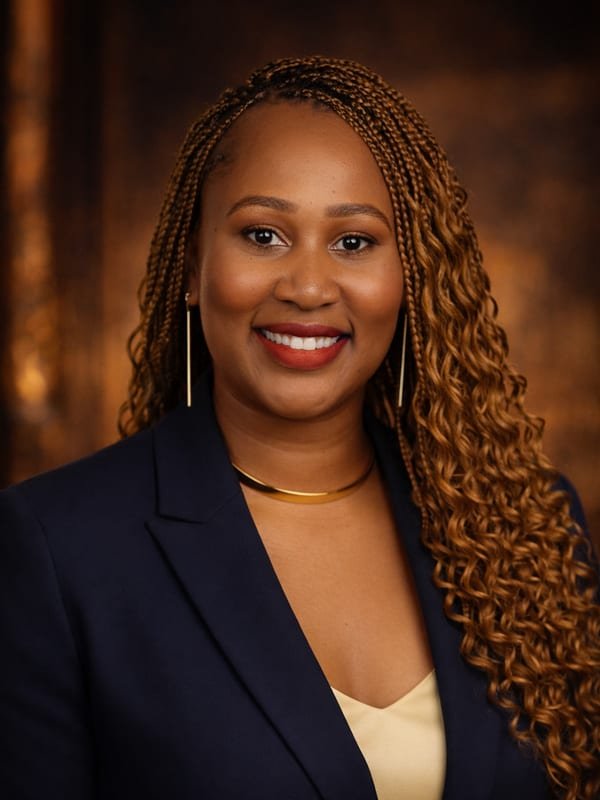 Esther Jackson-Stowell
01:15:24
 01:15:24
Open the audio directlyUse the player to pause, seek, or change playback speed.
What if your primary income source disappeared tomorrow. Esther and Chris Warren explore how to safeguard your family’s financial future and preserve its legacy against life’s uncertainties.
At the table
Esther welcomes independent insurance professional Chris Warren to discuss how households can build and, crucially, keep a lasting legacy, even when facing budget constraints.
What this conversation covers
- Preparing for unexpected income loss
- Prioritizing protection when budgets are limited
- Understanding the true cost and limits of insurance
- Connecting daily financial choices to generational wealth
- The difference between leaving a legacy and keeping one
A line worth keeping
Many families plan to leave a legacy, but few plan to keep it.
Mentioned in this episode
- Chris Warren
- Determined Vision LLC
- Chris Warren’s book and page: app.determinedvf.com/b/Chris
- Chris Warren’s email: team@Determinedvf.com
- Budget priority checklist
- The Broker’s Table community, for women building faith, family, and lasting wealth
The Broker’s Table is hosted by Esther Jackson-Stowell. New conversations on faith, family, and the kind of wealth that outlives you.
In this episode
16 chapters
- 0:00What happens if John doesn't come home today?
- 0:20Welcome to Across the Table
- 0:42Meet Christ Warren
- 4:59Before we hit record: why it's called The Broker's Table
- 8:12What legacy really means
- 13:21Plan to keep a legacy, not just leave one
- 16:21What to protect first on a tight budget
- 23:34Talking to young people about life insurance
- 32:17The family part: real life at the table
- 34:51Whole life vs IUL in plain terms
- 45:48The most common coverage mistake
- 48:42Why the annual review matters
- 53:21One step for moms this week
- 59:52Price vs cost: the side hustle that paid $6 an hour
- 63:42The cost of aging and the three risks
- 71:15Thank you, and what's next at the table
Read the full transcriptAutomatically transcribed and lightly edited. Please check quotes against the audio.
0:00It's having these questions like, hey, what happens if John doesn't come home today? What happens if he actually gets cancer and can't actually go to work? And the time that his health insurance and his coverage for Workers come expires at work, and he can't keep getting that benefit. What happens to the house? What happens to the kid? Extracurricular activity. What happens to that car payment? What happens to all those all right, Mr. Christ. Welcome to the Broker's Table where faith, family, and money sit down Together. Today, we're joined by Christ Warren, an independent insurance professional and the founder of Determined Vision LLC.
0:49We'll be discussing how a family builds a legacy. It can actually keep the family conversations behind a legacy goal. How to decide what to. Protect first when the budget is tight And the questions to ask about a policy's real cost and limitations. Christ, welcome to the Broker's Table. I'm excited to be here. Truthfully, even just our conversation earlier on, I definitely know this align when you talked about like faith, family and Business. And so truthfully, grateful to be here. I'm so glad you're here. Yeah, especially because also we're like Neighboring countries as well. Yes. We talked about some parts of being like that part of being in the middle where you have, you're not entirely tied to your culture and your Upbringing of where you're from in Nigeria.
1:39Right. And the same thing for me in Cameroon, but also the same thing with your integration here as well. But that's that's what created that great Mix. Why? We talked about like you. You be African man. That's traditional. But you also have emotional intelligence because you learn over time. That's how you navigate, especially if you're going to go further in Business. Right. Absolutely. So I'm excited to be here. So, yeah. Love that. So Christ Warren. Christ is a founder of Determined Vision LLC. He is an independent insurance professional and a speaker on budgeting and life insurance. He works with individuals in small businesses. Small business owners across personal lines, business coverage and life insurance planning. He speaks about he speaks about practical budgeting and life insurance, including whole life, whole life and indexed universal Life, connecting everyday financial choices with family protection and planning for the next generation because he's an independent.
2:40Christ can shop across multiple carriers to find options that fit a Client's need and budget. He believes insurance guidance should feel Straightforward. And honest, never rushed or confusing. So every client walks away confident in what they have and why they have It. Absolutely. I want to share some interesting facts and background on Christ. Christ is based in Washington, D .C., which is amazing, and runs it runs his own business. Determined Vision LLC. He works as an independent agent, not tied to any one insurance company, Serves both families and small business owners. And he sees. How household and business risk overlap. He built his work around one idea. Coverage should fit your life, not just a checkbox. And more importantly, he listens first and recommends second.
3:31He wants to understand the situation before suggesting anything. And a quick little tidbit on how Christ found us. He applied to the broker's table under the wealth area, proposing the Conversation, build a legacy your family can keep. That's incredible. He selected the. Free editorial guest conversation and wants listeners to leave with Practical budget priority checklists and clear questions for a family protection conversation. His current work and resources include his business Determined Vision LLC. His book and page is app.determinedvf.com /b/christ and his email is team@determinedvf.com We'll share this. Detail. At the end of our in the description area of our podcast and the listener resources is budget priority checklist.
4:27So our topic today is build a legacy your family can keep. And the core idea behind this is how a household decides what to protect first when the budget is limited and how everyday financial choices connect to protecting loved ones and planning for the next generation. Christ, we're going to start off with some kind of quick fire. Questions for you. And so I hope you're ready to share your thoughts and your ideas and give our listeners a great response so that they can build a legacy their families can but I was so curious why you chose the name Broker's Table. Like, does it mean like becoming a broker in your own life? I was very I was excited to ask you that question and kind of that came About.
5:14Yeah. You know, so the Broker's Table, then there's the broker in general came about as so I'm a real estate broker. Yeah. But I also realized that in my life, I've always also been a broker in terms of how I connect people. And it really it's way back to when I first came here. So when I first came to the States, like the kids were not the like the Nicest because I looked different. I spoke differently. You know, back in Nigeria, we get the short haircuts for girls and nobody, you know, blinks an eye. But out here, it's like, why do you have a fade? Why do you have that? Yeah. Why do you have a fade? Why are you walking around here with a fade? So to to to answer your question. So I grew up and became a broker, but I realized that I had been a broker my entire life in terms of recognizing that or like living through a situation where I came here and kids weren't the greatest.
6:12And then when I had. The opportunity to do that for someone else, I took that in and became that broker in terms of I remember that very I remember very well with a girl. She was from Mexico and she came to the school. But by the time I went into junior high, like I had known the system now, I had friends. I wasn't you know, we all came from elementary to junior High. So we're all fresh meat. Yeah. And no one is like making me feel like I'm the new person. Yeah. And but I saw her I saw her sitting in the corner and I recognized Myself in her and I thought, hey, let me let me go find out who she is and then pull her into the group and then kind of back out so that she can, you know, meet people. Yeah. And that's that's where the other part of the broker comes in. And I found that I have been that person my entire life because I recognize, you know, I walk into a room and I find the quiet people and I go get them to be part of the group.
7:13Because sometimes, you know, I've been blessed to be an expert and I don't know if that's a natural. I don't think it's a natural thing for me. I think it's something that I became because I remember as a very young Kid, I was like very like in the corner. Like, why is everyone crying? So you can kind of be both. Like you're an ambivert. Yes. Like you go. I've had to be I've had to be both. And if you meet me, you probably think I'm just naturally extroverted, but It's just something that I've worked at. And it's just it also comes naturally because I know everyone feels the Same. And when I'm always like everyone, we all bleed the same. So you walk into a room and you're shy. Someone else is shy. So let's just get it over with. So that's where the other side of the broker's broker comes from. So the broker's table is just sort of a place where we meet, not just in terms of personalities or whatnot, but it's it's to kind of promote what I what my focus is on life right now, which is faith, family and Business. Those are three very important So, Christ, when you Hear the word legacy. Yeah. What does it mean to you?
8:17And why do so many families plan to leave one? Yeah. Never plan to keep one. Wow. That's pretty interesting. When you talked about legacy. Right. And longevity. I think about whenever I had a conversation with my grandparents and they talk about just kind of how our upbringing as a family and what we stand for and in our value system, who we are and how do people kind of like in society look at us. Like when I go back to my grandparents in the village and everybody knows them as these people are upstanding and standing Right. I think legacy is not just the financial part, which is like it's Important. To leave a financial legacy as well. But it's also in part to the mindset and the teaching and the value system that you impart into your people.
9:06So legacy as a whole is in that sense where what is that? What does your family stand for? What do we represent? And also what resources and how we're teaching our people to continue to pass on this message? Because it's one thing to leave them with a house, cars or Money. But if you don't teach them. How to steward it, then you end up having a vendor bill situation where one to two generation had money. And by the third one, nobody has money and resources because we had the Money, but not the education, because that's also part of the legacy. So in part, it's not just like the financial side, but also the mindset and who we stand for as a family. So I think that's what legacy means to me. I'm also interested in what you mean to what legacy means for you.
9:55But I kind of had a glimpse from what you asked. Yes, I love that. And with us being from the African Culture, we know that a lot of growing up, you know, a lot of things, a lot of our history is passed down word of mouth. And it's always interesting for me to see how. And also, you'd probably know this, too. I don't know if it's big in the Cameroonian culture, but in the Nigerian Culture, when we talk about legacy and wills, they get passed down to the. Men in the family. And you mentioned that you've had you have six Sisters, six sisters, six sisters. Yeah. And you're the oldest. And I don't know if that's the same for you, where they know that it's all going to go down to Christ. So whatever they have, they have to go get that from their husbands. Yeah. Family. That was the idea usually before.
10:47But right before things are changing, things are changing. And I think because I grew up knowing that. And. Business, we want to get. This I'm going to get his house or none of that. So it forced me to. Want to. Regardless of whether they were a boy or a girl, I wanted to leave something behind, not just the legacy of where they're from. In terms of the culture, in terms of our entrepreneurial spirit, being Africans or in terms of the legacy that my father has left Behind. But something for them to to see. Yeah. So my biggest thing, as you know, is faith, family and business. I wanted them to have a strong relationship. I want them not wanted. I want them to have a strong relationship with God, first and foremost. That's one of the legacies I want to leave Behind. And then the second one is that family is very important.
11:42But family does not determine, you know, just your future. So because I know there's some families that are a little on the crazy side and I want them to be able to trust each other, but not trust each other just because they're family. But trust each other because they have. A foundation of love, of respect for one another and to build that, to build that into their adulthood. And then, of course, whatever businesses that they do or go into, that they have something that will support their family. So those are like the legacies that I wish to leave for my children to be able to, first and foremost, have a strong relationship with God and, you Know, and so on and so forth. So thank you so much for your view on what legacy is. And thank you for your. Your view as well. That was very impressive, too, because you don't talk like we talk about all the time.
12:33There's so much of this focus on just the resources part of it. But you say, hey, have a relationship with God, too. That's a foundation. Right. Because it catches so many other things or other area once, you know, when your business fails and your family fails. Like, who do you turn to? You need something. Yeah. So and there's no guarantee with businesses or families. Yeah. It's whatever you put in. Sometimes in business, you can put in a whole lot of determination and not get the result that you want. So you need to have that strong foundation, that legacy and rooted in faith in order to keep you from falling Apart, but to continue going when all else fails. So that's so beautiful. And we talked about how a lot of people plan one. But they never plan to keep one.
13:23Yeah. Yeah. Yeah. No. No. I see a lot of families where, like, you know, the father had all the legacy in place, but never really gave the tools to the children to know how to keep it. Yeah. How do we manage this? Is there any system in place to continue This? Right. And then it's even to your effect where I know you as a real estate broker, you've worked with family that make the big purchases of their life with no preparation. They kind of have an idea, but there's no real preparation also. And there's no succession plan on what happened. If that person that got the property, what's that happen? Who's going to take over that property, right? What's the proper paperwork in place? What's the proper paperwork in place? So that it doesn't go into probate. Probate. And then probate court. And then the time, the money. And by the time that you're done, you wasted all this anguish that could have been prepared if you maybe did a trust in Place, right? Where you had a succession plan with trust, with actual Instruction, right? Because you dictated how you want that to be.
14:25And then you can have an enforcement and say, hey, when something happens, the change of ownership never happened because it's in a trust. It just changes trustee, right? And then the same thing for insurance, where it's like, okay, cool. We also have insurance. Or if the breadwinner also passes away, the money Replenishes it. And if there has to be things that gets paid for Renovation in a property and things of that nature, that also goes into It. But having clause in the trust to be like, when this money comes in, 10 % of it has to be used. To replenish the trust, which means you as a Member of that trust also has to get insurance. And if you, everybody does that. Two, three generation where if you write that into the clear instruction of it, you're planning to keep it. Because it's not just like, you're not just trusting somebody that they're going to do it. You're putting right instruction on how it's going to actually go. And if they don't, then they don't get this, right?
15:20So it's like, I'm going to speak to you guys from the grave too, if I have To. So most people plan, but there's no succession plan. And you talked about the right paperwork and the probate court. And people don't understand how much effort and time and energy goes into all of that. So I wanted to ask you that question too. What do you tell your people to kind of help them prepare with that too? As far as like, hey, how do we plan on keeping a legacy and just not getting one? It's me, I did it. But how do we prepare the next person as well? So ladies and gentlemen, I have to tell you that Christ has become the Interviewer in this conversation. And this is something that I've learned very early on into our first conversation is that he has a lot of great questions for me.
16:10But we're going to focus on him since he's our guest. And I will do my best to answer his questions. But we are going to go to the next one, next question, which is deciding what to protect first. So Christ, picture a family with a tight budget. A long list of needs. Where do you tell them to start? And what is your checklist for deciding what gets protected first? And how do they budget for a commitment they can keep for years, not just Months? And we've kind of touched upon that, right? And a little bit in your answer. But please share with our listeners. And then I will let you know what I do with my clients when they purchase A home through me. Okay. When we talked about like, you know, faith being A foundation, right? Insurance is also a foundation into the physical world in terms of like that helps secure everything else.
17:00Because if I'm a breadwinner or the spouse also earns money as well, most people just plan about the burial, which is just putting them down to the ground in a funeral, 10, 20 ,000. But the thing about that most people don't also look at is the loss of income of the other spouse. If your spouse is bringing in $10 ,000 a month or $6 ,000 a month, and now something were to happen to them where they're not in a position, to bring that up, a lot of the other plans go into Flame. The mortgage now becomes an issue. You can't live in the same home anymore. Things? But if you do the foundation, which is like, okay, cool, let's Insure the thing that makes the money, which is the breadwinner, the people in the family. So let's start there.
18:03Let's put in place a plan where if you have a heart attack, stroke, or Cancer, you can use some of the money from the insurance to take care of You. If you were to pass away, based on the analysis of how much money are you bringing, how much debt does the family have, and how long do you want to provide an income also over time as you're gone, that determines how much insurance. You should put in place. If you do it that way, even if one of the parents or one of the people that are providing a legacy for the family, something were to happen to Them, there's a succession plan in place because we calculated how much money would be needed to still maintain the lifestyle without the kids Feeling like they're uprooted or anything of that nature. So it's having those questions to ask. What's your plan right now if you have a heart attack? What's your plan if you can't make the money that you're currently making right now? Are you living in this house out of luxury?
18:56Are you currently working out of luxury or because you have to? Yes, because you have to. So if you, the wife, or the husband still don't bring in the income, what happens to the house? What happens to the kids' school? What happens to the extracurricular activity? What happens to the car? What happens to other responsibilities? You know, as Africans, we're always taking care of somebody. What happens to all of these things, right? So it's having that conversation and be like, hey, we need to protect you because you make money, right? If you have something that continuously make you money, wouldn't you want to insure that? Absolutely. absolutely but and that's you so that's the family first it's like identifying asking this question and be like okay let's look first what happens in the worst case scenario of your life where if you cannot bring in the income because maybe you're incapacitated because you're Sick, what happens? Do we have a plan for that?
19:51If you were to pass away, do we have a plan that not only buries you, but also makes sure that there's enough money that comes in to still keep up with the day -to -day expenses that the family has, right? Because that's one of the conversations people are not having enough. They just think when you get insurance, it's just to bury you. But you have to think beyond that, especially when you have kids and Family, because you are not there to also keep the promises that you made. Because that's the thing. Whenever as adults, when we get into something, You've made promises to work your daughter down the aisle, to make her to Graduate down to school, to go to school and graduate in college. But if you're not there, now it complicates things. Now, one parent has to take care of everything else if you're fortunate enough to have two. So it's having this conversation and seeing and Establishing what is our actual plan if something were to happen.
20:44And a lot of time, because we're so caught up working and doing so many Things, nobody stops for a second and say, hey, do I have a fail -proof Plan? Or am I just winging it? Right? And it's the same thing even in the Bible when you read Bible principle. If you read Proverbs and Ecclesiastes, there's so much wisdom that talks about it. A man plans for an inheritance for his family. And it's all of this principle as just things that you do in the actual Physical world by putting these things in place. You see, if you read your word, there's a lot of wisdom in there. So that's kind of having that conversation first and putting a plan in place to kind of figure. What would you what would be your wish if you Weren't here today? What would you want to still happen because you plan for it? Right. So and it's not an easy conversation to have because nobody talks about these things.
21:36But yeah, I believe that's you hit the nail on the point where you talked about that. No, it's not an easy conversation, but it's a conversation that has to be Had. Just as anyone in a relationship that wants a successful relationship. Needs to be able to talk about finances. You can't just you can't push that away. Yeah. Put another rug and pretend that it doesn't exist. It literally is. You know, it does exist and you have to talk about it and talking about it. And again, being African, we have those superstitions where it's like, oh, if you talk about it's going to happen. Yeah. It's like, no, that's true. That's true. Yeah. It's going to happen. You just don't know what regardless of it or not. Yeah, absolutely. It's inevitable. Yeah. And and. We just have to discuss it. And what I've found and I grew up that way where you didn't talk about death and things like that.
22:31No. But then I got married to someone that's not of African descent. And this is just the conversation. Every day. Yeah. And we at first I used to feel so like, Oh, I don't want to talk about this. Now we talk about it all the time. And he's in the military. So we have to talk about every deployment. We have to have a will. Yeah. And those things bring up a lot of conversations like, you know, where do our kids go? And that has forced us to really have this discussion. So it's become a comfortable thing for me. We talk a lot about families, you know, in this scenario. And you mentioned that you don't have kids yet. And I don't know if you're single or not but I'm thinking like a lot of people look at life insurance I'm not oh down. Yeah, I'm not ready yet. I don't need that yet. Oh, you're locked down. Great. Great.
23:20Great. Now, are you. How do you talk to young people about life Insurance, even though they're not together yet or have children yet to leave it, leave it to how do you talk to them to prepare for the future without the future being here just yet? OK, because they still need it. Yeah, it's a really good question, because I remember when I was like 19 and then someone was telling me about insurance and I was like, I Looked at my siblings. Right. And being having six sisters, I was like, if something was to happen to you right now, a lot of things where as an African descent, we don't we don't do it that way. Like where some people actually plan where when you pass, when someone passes away in a family, we're supposed to inherit more than clothes and Shoes. It has to be a step up. Right.
24:13So when it comes to young people and having a conversation, you may not have a family yet, but there's a couple of things you have on your side. You're healthy, which means that. It's cheaper for you. You can lock the rate in right now so that when the family comes, you already have prepared for this family to come, which is one thing. Another three. Another thing that I have as well is being able to maximize because based on the type of product where they're more Attracted to the feature of I'm going to compound cash that I can utilize later on what I want to use it to go buy a car or I want to go put my down payment on a house or anything like that where I'm like, are you currently Paying? You're putting money aside for these expenses before they come or You're just going to magically be ready when the time comes. Right. So it's having that conversation and asking them, hey, do you currently have a plan? What's your what's your idea?
25:03What does life look like in an ideal circumstances when you have kids and A family? Right. Are you currently stewarding those resources right now? Right. So that by the time that you when you do get the family and the Kids, you locked it in when you were younger and it was cheaper. First of all, you come prepared to your spouse, too. Thank you. I think that's also a thing where it's more like we need to have this conversation while we are afraid, like you're prepared as an Individual to your spouse. And then especially more for men, that shows your trust and your ability to be able to lead. Right. So it's having a conversation more like most people tend to Gravitate towards like, hey, I want to be able to access money for my Future. So they put away money into cash value insurance. That's usually the way that younger people get attracted more to that Feature. And then having a conversation, you're younger, so it's cheaper for you. It's never going to be that cheap again over time.
25:56The older you get, you become more of a risk. So therefore, it costs you more to do the same thing. So that's kind of how I talk to people about this as well. And then I make it fun personally, whereas just like I say this, like if something was to happen to me tomorrow, I can still make sure that my Family, currently right now, when it comes to direct family, siblings or a partner, is still going to be able to get something to maintain the Lifestyle that I promised I was going to give them. That's kind of how I have that conversation. It's different with everybody. I love that because a lot of times people young people Think, oh, life insurance. I don't know. That's down the road. Down the road.
26:45Down the road is we'll get here quicker than you realize. Yeah. So I love that. You're also having those. Conversations with them as well yeah and oh just I have one more thing is tomorrow is not promised it is not it's not one thing that I've noticed is I went to college where I've lost three people that I went to college that was in the same graduating class as me so they have families all of these people have families they have parents and then siblings and other things where if you were to pass away what does that say about your legacy that you left death because now they have to bury you even if it's just the very part would you want your legacy name to be when you passed away we did a fish fry to bury you like and I can hit more men with the ego portion of that where it's just like what a legacy do you want and then for women it would be like hey you came into this world look at your mom and your dad and how hard they pushed through to put you to school and everything do you really want to add another burden because you didn't prepare knowing that it's cheaper for you to prepare for these things right now right so at every angle every age you can have the conversation if someone is open enough open -minded enough to understand that hey as I'm going through this life there are expenses and costs to things even if It's just for me to be buried that's going to be a cost and they say hey my parents have it would you rather spend their own money that they can utilize for your other siblings or other projects for the family or you actually say that I prepare for the worst case scenario because I also met people that I went to school with that when they started at 21 by the time they were 25 they were because they became uninsurable because of Condition that they developed later on and now they can't get the same Amount of insurance anymore they have to get a smaller portion of a policy that they could have avoided that there's just tomorrow is not promised so It's having that conversation it's like you don't think young people die every day to pull the stats you know and then like or heart attack stroke or cancer it's a thing it could happen so you have riders and things that you can utilize that's built into your policy for heart attack or stroke okay so forget your mom and dad if you don't want if you don't want to what about you would you want to have to struggle when you in the hospital if you have expenses and things when you could have just planned that with 20 or 25 a month you have it you spend it at starbucks every day so before even going and yeah, before going even and having priorities, it's Priorities. Right. But all of that is a mindset shift conversation.
29:19Like I don't even spend too much time talking about how much it's going to cost them and the product and the features. I just ask them questions because I want to understand your mindset. I want you to understand the mindset that's behind you doing this. Because if you do, whenever something gets tough in life, most people want to take off the insurance first because they didn't understand why they got it. But if you understand that, hey, this is my safety net. This is the foundation where if everything falls, at least this thing helps your parents grieve. At least this thing helps pay off the house Off. If you have a property because you have the insurance, it goes and Pays the house off or reduces the monthly payment because you're already paying something else. Because I used to do a lot of mortgage protection where we'll put insurance for people. If something happens to you, that money goes and pays the mortgage. So at least they have a place to live.
30:09But there is so many questions. You can ask just to diagnose. So I spend more question on that because I want you to understand the mindset first. I'm not really interested in you knowing 20 ,000 feature of the product. If I understand, if you understand why you should get it and why this is important based on the series of questions that I have, you're going to keep it long term. I'm not interested in being business for you for two Months. I want you to actually keep this because the only policy that's the best is the one that stays in force when you need it. Yeah. So that's that. And all this reminds me of, I can't remember the very Wealthy family and this is how they have the insurance policies. So you can borrow from from that.
30:57Yeah. From that cash value and then utilize it. You know, I even talk about their legacy. Right. And that legacy has stayed long before the originator. So there are things and I think sometimes people feel like certain things are just too far fetched. Yeah. And I'm like, no, it's not. It's the same laws, the same principles that Apply. fly, you can have the same things too. So I'm really excited that you are this young and you're doing this and You're reaching an audience that may think that this is later on. You're married. You're married now. No kids yet, but you're married now. And I'm sure you're covered in ways that like most people have, you know, your age would not even consider. And I think that, you are being, you just doing that on your own is giving them the example that they need, because sometimes we need to see our peers doing things that we would want.
31:53And not only are you doing that, but you've created a platform for them. So that is beautiful. Absolutely. Before, Christ, I want to pause for a moment. My daughter's school just called and she fell and she needs new pants. I know she's good, but her brother will take it. So I'm just going to go help him find what she needs. And I will, I'll be right back. Okay. Sorry about that. Is she okay? This is, this is the family part of the things that I talk about. I chose this career so that I could be available for my kids. That's beautiful. I was working in California nine to five. My son would be dropped off at daycare at about seven or like six something. And I wouldn't pick him up again until like 10 hours later. And I was, I realized that it's like, this is, this is not What, this is not what I want. Like, I really wanted to be present for our kids and raise them because I wanted, however, they turned out to be, to be a result of like what I put in.
32:58And if they turned out to be a horrible human being, I wouldn't have to Guess where it came from. But like, yep, that was me. That was that one time I forgot him in school and then didn't pick him up for hours. You know, I wanted to be responsible for that because I think I grew up with a lot of, um, parents that would blame other things. And especially being African parents, like, Oh, it's the, it's the American -ness that's ruining them. Like, I know I wanted to be present and I wanted to know my children. Absolutely. And, uh, and so when I, I just told my son, this is why I Don't, I don't work out of an office. I have an office, but I don't work there because I need to be close to this kids. And so with my daughter who just fell at school and got her clothes all wet and she knows she can call, she can call mom. Go mom. Yeah. And we'll bring her some clothes. Yeah. And it won't be like, I need to take off from this.
33:46Exactly. Yeah. One of the, that was one of the annoying things for me when I worked a nine to five where I would ask to, you know, take time off and my boss would look at me and make it seem, I had hours that I had earned, but always had a way of looking at me and making me feel bad for taking the time that I had deserved. And I was like, I never want my time to be tied to someone. I never want someone to control my time like that again, because I'm not, I wasn't partying. I was literally going to take care of my child and, and, and my boss was a Female. So I was like, you are a female, you've had your children. So why would you give me a hard time? And I just thought, Nope, we're going to switch this. And this is how I found my calling. And it's just been a way more beautiful thing to do and be. So anyway, How long have you been in the industry?
34:38Oh, about 15 years. Wow. Actually, almost 20 years, because I Started off in the industry, were the company that I worked in nine to Five, and then branched off on my own about 15 years ago. You're a broker? Yes, I am. That makes sense. That makes sense. That's, I know, I know, I like I'm a broker and a serial Entrepreneur. We run other businesses that is just incredible. And again, my hope is to provide the same platform that Afforded me the flexibility for my children to other people as well. Absolutely. So we're going to ask the third question. And this is asking about whole life versus IUL. So many families hear about whole life and indexed universal Life. In plain terms, what is the difference?
35:29And what should a family ask about the true cost and the limits of each before they sign anything? All right. That is a very, very good question there. Again, not all IULs are created equal, not all whole life are created Equal. So There's a lot of generality in the industry where people say completely Things. But one thing that I did learn in the last five years is there is Specific things. Like for example, I've seen one of the biggest thing that was the constraint on the IUL size. Whole life actually is a permanent. That's the one policy that's truly permanent, right? And the IUL has intentionality of being permanent as long as the rising cost of insurance and the projected interest that you have coming up from the policy keeps it up and it could be permanent.
36:21But whole life is actually permanent. As long as you pay for it, it's going to pay out. I think that's one of the biggest distinction because most people always market IUL as permanent. But it's like there is a case where if things Don't go as planned, it could not be. So I think that's one of the biggest one. IUL, usually it's built on an increasing term for some time. Some people do level term. What that pretty much just means is kind of how the cost of the insurance is going to be going up every single year. So to be fair, I think one of the biggest thing that was the conversation was is how quick can you access the money? I think that's one of the biggest distinction. In an IUL, most of the time based on the surrender charges, it might take you a year to be able to access some of the funds.
37:14Or I've seen some riders out there where it's 30 days and things of that Nature, but there's drawbacks that comes with it. How soon you have to repay the loan back into the policy. And then also if you're borrowing money against your policy over time in the IUL, it's based on if the index that you're choosing Continues to perform. The problem with IULs out there is they Show you an illustration of continuous return with that interruption versus in the whole life, it's based on a dividend. It does not matter what's happening in the market. It's more based on how the company's performing. And then in the whole life, there's different type of whole lives out There. But there's direct recognition and non -direct recognition for the Folks that don't want to be confused.
38:03But non -direct recognition means that when you put money into your Policy, for example, when we're talking about areas, young people that use it for travel, or when you're about to go buy a car, or when you're about to do a down payment for your property or whatever it is, you deposit the money into your cash value insurance after usually, depending on the Companies, but 14 days, you can withdraw that money out of the policy. About 90 % of it will be available. You took a loan against the principal balance and your death benefit is the collateral, meaning that if you pass away, they will just deduct whatever you just took out from the death benefit and that will pass down to your family beneficiary. that's a quick withdrawal pay with your debit card when you pay it it's gone you never earn anything on it because you use a debit card and it's gone but if you run it through your whole life policy and then access it after a few days that same Amount of money that you deposit there is still earning you a dividend year after year after year for that same purchase so you figure if you do that with every other things I have clients that put in 40 50 000 A year in expenses that you're going to spend every single year and earn a dividend on it versus an iul most of the time is to set it aside and forget it because it has to be money that you don't plan on touching it right away unless you're using certain riders and there's a cost and There's expectation that comes with it so one of the biggest thing I will always ask is what's my surrender charge on my policy if I'm talking to a client if a client if I'm a client what surrender charges do I have right What's my does my cost of insurance goes up every year what happened if I Don't pay back the loan uh that I took out from my policy right and then um what's my cost of insurance for me to own this policy right so the biggest difference between I or a whole life those are some of the questions if I was a client on the other side I would want to know what cost of insurance do I have what guarantees do I have in this in this policy as well and then um if I don't pay back the loan what happens to my policy right so that's something that I would do if I'm shopping around for someone because I've sold both and there's certain cases where one Might make sense versus the other but it's more about identifying what the client needs but most of the time I lean on the whole life for people that want to actually compound money and utilize it because of how quick the access is literally if I know I'm going to do something in 30 days as long as I have the policy you put it there take the cash out and then go pay that purchase but you're still earning a dividend every single year on that I or you can't do that that quick with most policy and if you do because they have certain riders there is a repayment period and other things that comes with it it is not free right so these are some of the things that I have but it's a very sticky question in the industry right now uh because one always believe this is the best but um now one Process is longer usually the whole life takes longer in terms of approval They've made it quicker for some of the underwriting than I or but I or sometimes they don't need the blood and urine that's why most people push that and then also based on how someone's structure and how you are they can really mess it up in terms of if they're giving you more insurance than the cash value you're not paying this policy that's not performing the way that you intended to because the agent wanted a big commission so those are some of the things that I will ask is what's my cost of insurance what's my target premium in comparison to my to my cash that I'm putting the target premium tell you everything most agent who knows is like the target premium when you ask that question is like hey if I'm putting six thousand dollars a year into this what's the target premium because that's really that balance between the cash and the death benefit the the higher the separation between what you're putting and the target is that can tell you how much money you're actually putting towards your cash but if someone is doing an iul in that way they will find more value into their whole life, especially as a business owner, because you have expenses, you have things you do every month that you're going to Spend. It definitely makes more sense to go that route.
42:28But IUR tends to be set in and forget it. It's not something that you can manage to truly be your own bank because That's how they market it. it's the marketing outside when I see it online sometimes like this is so wrong with the misinformation because there's so many things that specificity there so it's not a one -size -fits -all but most of the companies on average, depending on which one it is, you kind of have an idea of what it is. But some people are marketing certain things out there as one thing. Not all whole life are the same. Not all IULs are the same. They're specific riders. So I've seen that. So I've never been like, this is completely wrong, but It's rare cases and it's rare people that offer it specificity. But I've seen people take narrative and run with it because the views go up and they get clients in that way, but they're not actually truly Explaining what the client gets so I will ask what the target premium is What's the cost of insurance and then what happens with the policy loan how early and soon can I access money that I put into it those are some of the questions I would ask if I'm someone because you want to understand what you're getting because they would most of the time they were trying to do the best for them now you right so and then if you I'd sometimes Dare people I was like go go running by somebody else yeah go running by somebody else let's see what's going on but yeah well this is this the part where we kind of mentioned earlier in that how You're more concerned with um you know you're more concerned with the Practical budgeting and life insurance including life and index universal life but then you're more concerned about connecting everyday financial choices family protection and planning for the next generation but most of all you believe that insurance guidance should feel Straightforward and honest never rushed or confusing yeah so all your clients walk away with confidence right and what they have and why they have it yeah which takes away from those other people they just want to Sell something and make yeah they're just trying to this is where I do with my real estate I can go and sell a whole bunch of properties and not care about what that person will get later on but my concern is always will I be able to live with myself yeah knowing that that person's house Flooded or that person's roof you know all of a sudden speaking the Inspection wasn't done right or they took on a mortgage that they Shouldn't have because I was forcing them to yeah buy something just so that I could I need that that's what a lot of people you know do but for me my conscience will just will not allow me to do that and yeah I will wait for that gain as long as my gain is not rooted in someone Else's demise there we go so there we go I I love what you're doing and keep it up and by all means like keep sharing with sharing your knowledge That's the biggest key you had asked me how do I you know work with my clients and for me it's more about understanding why they're doing what They're doing yeah and then sharing the knowledge that I have based on my Expertise and when I don't have the particular knowledge that they have I will connect them with someone that I trust that will share that with them so thank you for for doing that let me ask you though what is the common mistake you see families make with coverage and what does it what does it end up costing them years later?
45:56Okay. every single year when you get older, your risk factor for an insurance company increases So if you got a policy that you couldn't maintain at a time and then it lapses and you have to go through the insurance process again, you're now much older. It costs you a little bit more. If you do that two, three times, by the time you have a policy that Sticks, that star stops, star stops cost you money because you didn't lock in a rate at one point. I think that's one of the biggest mistake. Another part is most people don't spend the time on the mindset part of why do we get the insurance and how you can adjust it in terms of I always tell my client if we start this one and life gets tough and you really want to change it we can reduce the coverage without you having to lose what you currently have instead of completely removing it because there's no world you benefit with not having any kind of protection because that means that we go back to that conversation and the mindset that we talked about that means that your kids is not going to go to the same school that you were planning on doing that means that the mortgage is not going to get covered and paid the way that you were intended to that means that the Debt that you have for here is not going to be an issue in the future because now we go back to the things that are important which is why you got the coverage in the first place instead of just like hey it fits this is 25 a month that's comfortable for your budget let's get that versus like hey why do we even have it in the first place and what is that Covering because if I'm having that conversation with you the value not exceed the price so even if it's a hundred dollar instead of you spending a hundred to do something else you're going to be like this hundred dollar signifies the mortgage signifies the promise that I made to my kids signifies the car payment outside not being a stretch for my other spouse is going back to having that conversation because I sometimes to be Fair I'm not really price focused I it's like because once you make people and when you have that conversation and people really understand what They're getting they now suddenly all of a sudden find money because They're like oh I get money from this I bring money from that or they reduce certain things that are not that important because they now understand instead of me getting an extra two three cups of coffee a week if I reduce that down I'm still keeping that promise that I had to my kid or that mortgage or that issue because now they understand what They're getting it's not just like I'm putting you into a product and then even if there was a situation where you got really bad that the plan we Initially put in place we can adjust that let's change it so that it makes more sense so that's why annual reviews are important where annually we're gonna meet what change what happened did you make more money now are we getting more money everything is there more things that we need to protect do you have more kids do you have more responsibility that came on is there more depth that was created so following them is a journey where It's like okay a year from now we're gonna meet again so there's so much money in annual review events for agents that are out there it's like when you meet a client again after one year you first also go back to that conversation you had of why they had the coverage but most of the time sometimes they are making more money they're in a better situation and they want more insurance protection because now they have more to lose or some things change where the budget was a little bit different and then now you can adjust it because you're keeping up with them like bro you can put them on a crm nowadays they were ai you can put them in a crm and put the date that it reminds you that you have this person so you can just Shoot them a text and then reschedule that um that's the thing that makes the difference because you're just following a journey with them It's not just a one -time like I always tell people when you do business with me it's not a one -night stand it's a marriage you're gonna keep having me for your life yeah we're here for the lifetime lifetime relationship yeah it is right and then yeah you mentioned um that when you see them a year later but what you're doing is because You've given them a year to look forward to so when you're checking with them and there's also like a psychological thing that's happening there where it's like oh you know he's checking in on me let me tell him how much how well I've done because you're giving them something to look forward to so absolutely where most people don't have a plan a year later It's like oh it'll it'll happen maybe yeah but when when someone's there to say hey it's been a year let's see what your money what you the money that you put in has done so far has done so far yeah and then let's see what else you can do so you're giving them this like this hope to say if the little that I put in before has done this much for me that I haven't even had to think about yeah imagine what a little bit more couldn't yeah for me the next year yeah I just haven't given them something to to look forward to so it's a little I feel it's more than life insurance or insurance in general you're giving them you know a psychological um Upkeep absolutely to say you know what I could do this let's let's see what something to look forward to so that's incredible and then more as more also as a as an individual as a professional your um tool your Arsenal tool also gets better as a person so now when I do an annual review that I did recently as a testimony he's like yeah I had this I Didn't utilize it the way that we planned but were you going over again and doing an annual review made me feel like I wasn't alone in this so now we went back over it now he tweaked the uh the strategy that he had also someone that also hey now I have more things to cover because I'm getting married this time around again right so that means I would want this plan so even for as a beneficial for you now you have a new policy that you can put in place right but another part was like hey based on this description from a year from now because you made more money and you had some success I think you should put this into a trust different conversation now because this trust now Necessarily how to at the time now I'm like okay here's the resources where you could do that and this is how you benefit from that where it's like okay now there's really a plan in place that if something happens It's not just going to be all this money that goes to your daughter but It's like hey it's gonna go into this trust and because it's not into her name even if someone were to sue her they can't touch it because she don't own it it's in a trust she just happens to be the trustee which means she Manages the funds of the trust in our case now she has a layer of protection now for her that even if something were to happen She's not she can't be liable because she doesn't own it it's the trust Ownership portion of it right and then now you put written instruction on how you want that money to be proceeded where he's that's this thing like okay cool now you know you have an actual plan of what goes on next but it's having this one -year review two -year review and having the conversation and seeing what changed from the last time we talked that's Wonderful yeah so now we're gonna um switch a little bit to the moms We're gonna is protecting what you're building so for the mom or wife Listening who feels like she is the one holding the family's future together what is the once what is one step she can take this week to protect what they are building okay I think one of the steps from that I always recommend is um look currently right now at what you're spending right and uh like what you're spending currently right now what does this say about the financial situation of your life and how many of these bills actually will protect you in case something happens right so it's like like I have a actual budget sheet that I can send to you that you can provide to your people where you can kind of put all that data and Calculate what you spend, what comes in, what goes out and what discretion do you have to play?
54:11And then when you have that, also, let's be realistic. How much of these things actually are not necessities, right? Right. Because you want to understand also it's in phases because in your life you don't have to always be your chapter 12 is different than my Chapter 11. It's like, hey, for this season, may be three four six months because of the goals that we have as a mom or as as a woman that we have to do this project I think we can take this thing out if we used to eat out if you don't like to cook we used to eat out often let's take out maybe once and then that extra money relocated to this next project that we have coming up right but most of the time nobody's looking at all the Finances we just kind of have an idea of how much money we're spending but when you actually sit down and look at all the expenses you're like oh where are my priorities once you look at all of them, because now it's like you have to get a visual and it's good to write it.
55:10I mean, as a society, we're kind of getting away from that. Or if you're a digital person to have that. But I like the writing portion, because when you write them and you see all of them, you're like, OK, it's real. Like, it's not just some numbers on a computer and a card that you tap. This is actually serious. serious you know so that's what I would be it's like hey look at do an accounting of everything that you have currently right now see what's coming in. See what's coming out. And then look at what are the things that we can Remove and where do we relocate all of these extra expenses. And if that mom is married and someone is the breadwinner, you should want to protect that income because you have kids to think about. You have their future to think about. Right. Right. So you want to make sure that if something were to happen, You're not left to also have now more to figure out because now your your spouse income is not coming in and if you're the breadwinner as well it's like also putting make sure you're insuring and protecting that income so that the kids or the legacy or whatever you're trying to protect also is still going to be taken care of even if you're not there physically Emotionally right so and then just like doing like you right having this conversation with the kids where we're not just going to pass you down money but you have to know what to do with it right and then that's that's the part about like my client I was doing the annual review is you have the conversation with them but you know trust but verify you also put Directors in a trust where they have to maintain it so you could That's an extra layer for him where he's that much of like I want to make sure it's controlled in that way but having the conversation with your Teenager and your kid and like telling them hey if you get an influx of money what do you do it's just just it's just have that conversation and see what the kids do and let their mind wonder you know just let them get Creative see what they're going to come up with there's this um afro beat song by this nigerian artist and in the song he says you know that you this this rich man owns like seven houses or so but he's like but you're only going to live in one yeah and then he goes on to say you know you're you're you have all this stuff but if you die tomorrow your son is just going to blow all the money that you made right And so it's part of that. And when I listen to that song, it hit differently, you Know, because it's facts. It's true.
57:42It's true. If you don't teach your children. Mm -hmm. How to steward. And put in tools to protect them. Yeah. Because sometimes you've got to protect your kids from themselves. You have to. Yeah. And if you don't do that, all this hard work that You're doing will just be like literally. Yeah. In the air and disappear absolutely I I love that you're giving that like, and I had a previous conversation with another gentleman and that's what we talked, we talked about having an honest account of what is coming in and what's going out. And that's something that a lot of people don't want To, don't want to see because we don't want to be honest with just how much coffee we get at Starbucks or how much shopping, like how much money really goes out. Because you're like oh it's just this yeah you know you go to 7 -eleven or like the convenience store it's just it was just a little candy yeah but how many times are you getting that candy every single day every single day of the week of the month of the year and then you know I like I like to do the trick where I mean I think I read a book called understanding Women and then and then she talks about like men think in terms of like financial thing where it's like hey think about what the opportunity cost of that money is where like when you ask a man something he's thinking about what that interest could have done at eight percent for 10 20 years or what that money would be where it's like yes I like pulling the Calculator I'm like okay the just that that you say you're spending about two hundred dollars a month on just that that's 2400 a year what that Looks like in 20 years from now if you keep doing it right can you look at it that way that's that's the part of that like yeah being a woman and a man is so frustrating because a lot it is that's what she said we do things because it brings us joy joy but then how much how much of that joy is it costing you yeah so I love I love to braid hair I braided hair like since I was a little girl through college yeah and one day I my husband said because we're first of all you know he cuts his hair like takes like 30 minutes to cut his hair or less yeah and he wakes up does this and his hair is done so I go to do my hair and he's like are you still doing your hair and I'm like do not speak to me yeah yes I'm still doing my hair I'm still braiding it and yes it's taking 16 hours and to Hear it was just like why like why would you just just get a haircut just Cut it I'm like you know what this takes a lot of time to get together so no I'm not just gonna get a haircut because it saves time because to him is thinking that's 16 hours you could have been making a ton of money in 16 hours and just spending 30 minutes to just get a haircut but then what he did one time was well how much are you making from this because you know I would do hair on the side and he's like how much money are you making from this hair and then he calculated and for the first time in my life I found out how much I was making out of like one hair and it ruined telling you it ruined my whole side hustle because it was just like oh There's better way I'm literally making like six bucks an hour or something you know when it came out to it and to me it was the first time that I saw the cost of things in terms of what I loved and so it made me rethink going into that industry and that's probably why I probably do real estate right now because yeah I needed to make sure I was making a decent amount and using my time wisely so crazy you talked about it's the concept of price versus cost like there's something that has a price but there's a cost to things why like you're like um zig Ziglar used to use the analogy of if you buy a bike that's six dollars versus twelve dollar bike back in the day and the bike that has six dollar Asks you to go repair it every two three months or four months it's not costing you time, money and everything.
61:36They're not just paying the extra premium that you could have done to do That. Which would have made you money. Money. Because then you would have been going to your work and getting to your work and not having to stop by and get a fix. So a lot of time, it's kind of like framing that even with kids and the Younger, it's like, hey, just because something is free doesn't mean it Doesn't cost. Because free could be the price, but the cost could be your Attention, focus could be anything right so it's still going back to like make sure hey there's a price and cost to everything is this costing me my mental capacity and my focus is it costing me this so um it's very important like I don't think as I don't think about that thing but I've been fortunate since I was younger to always hang around older people that have wisdom or that made money where like I think one of my mentors was like bro I don't want to see you eyeing your clothes because that's like It's like you say why are you doing a ten dollar job when you make more than that if you're focusing on working on something else right so but it Depends on what capacity and level you're doing it and advice is at every different level right the worst thing you can get is generalized advice the older the more money or wisdom you get so but yeah so I understand why I love that your husband did that and say hey this is actually how much you're making now he killed your excitement enthusiasm for the dream by joy but you know what I still get that joe I still do it once in a while yeah but it's not my every weekend thing because I bought I took my time back and yeah absolutely and now I can just go pay someone to do it you know for my kids or for my boys yeah um but it just put Reality um it put a cost on something that I was doing that was actually costing me a whole lot more a whole lot more a whole lot more yeah okay so for our final question what is one money conversation you um you would encourage every family listening to have this week um man um I think one thing is in any family in general um in most size is the cost of aging um I think that we don't talk about this enough is um long -term care cost you know and then I think especially us africans we usually always think of we always know you're going to take care of me when you're older when I'm older and things of that nature but even if they do is there a way we can in that burden with having something put in place where whenever they are older there's extra money that comes with doing the long -term care where even if they decided to stay with you there's still money that have been put aside that I don't have to dip into my active capital that I'm working on right so the cost of of aging uh in that sense and then also if the person is not that usually especially in families where the oldest usually is the responsibilities, would you want to pay the burial for your grandparents and your parents on your own?
64:40Or would you want to have that taken care of? Because I've had a family where I had a conversation with both of them, both sisters. They now put money together halfway to pay the premium of the father, who is 75. Because they were like, when he passes away, I Don't want to come up with 30, 40 ,000. So she's like hey every single month we have a joint account we put the money together to pay that because the was going to be an issue when someone passes, who's going to take care of what, right? Because everybody's fighting for what, I'm taking this, I'm taking that. So I think one of the basic conversation is, do we have a plan for getting Older, right? Because I mean, it's this three things, that three fears sometimes it's like, if you die too soon, live too long, and if you become ill, those are the three main things you want to protect. If you die too soon do you have enough insurance to take care of that if you live too long meaning that your income is going to run out at some point do you have a plan for that And then if you become ill, right, it's having a conversation around these three, dying too soon, living too long or becoming ill. Do we have as a family a safety strategy for all three or we're just winging it? So I think that would be for any family that's out there and having a conversation around those three.
65:56If I die too soon, what's my plan? If I live too long, do I have enough income based on what I'm making right now and the plans and the strategy of my recurring revenue that's going to Sustain me to have extra money to live longer? And if I become ill, do I have a plan just beyond having medical Insurance? Do I actually have other things that could sustain me not going to work for three, four weeks? What does the money look like? Right. Or me not being able to get up from a chair and things of that nature. So, yeah, the cost of aging and these three, Dying too soon, living too long or becoming ill, it would just be like a conversation to have. Like if like just just as an icebreaker and it's Tough. Nobody wants to talk about this.
66:43It sucks for most family. But some families I go around, man, I've been around some some rich people family. They have this for breakfast. I talk about it. Yes. Oh, they talk about this. Oh, well, my friends, they talk about this like it's a regular thing. Like they're like, yeah, I feel that it should be a regular thing, honestly, because it's inevitable. We're all going to die. And the sooner you have those conversations about how you can affect how and what you leave behind when that happens. Yeah, it will. Then it reduces the stress. So then when it does happen, folks can focus. Yeah. And, you know, you and I talked about living in sort of like in between both worlds. That is the part of the new world that I'm in that I definitely hold on to. I love that.
67:41And I really do. And I talk to my siblings and they're just like, oh, no, Don't talk about that. And I'm like, no, no, no. I'm just letting you know, like I tell my siblings. You know, in Nigeria, when someone dies, they're like putting someone in a Morgue for like months, months, months. And I told them, like, if I die today, if you guys are not here in three Days, you will miss my funeral. Yeah, you will. Because there's no no one is going to be holding my body. Yeah. For no reason. Yeah. So just have your have your things Together. You will be hearing about my funeral way after the fact. Yeah. So and that's in. And I. Because when my. My mother passed away this about a year ago. No, about a year and a half ago. She was in the morgue for a long time. And I was just like, this doesn't make any sense because they had to prepare this, you know, the home and do the planning.
68:33And I just kind of sat back and let them do things because I didn't want to disrespect the culture. Of course. Of course. But in my brain, I was like, listen, now that we're talking about death, I'm just letting you know that when my death comes, you literally have three days. Yeah. Three days. You can come from Wales. You can come from. Nigeria. But you have three days or you can just send your condolences. My kids will be fine. Yeah. That's going to be fine. So it's a whole different conversation that we having. And I'm glad that you've mentioned that, that we do not plan for aging and we've got to do that. It's just it's just the only smart way. And I tell my kids, like one of the things that I also tell my husband, I just want to be around to help my children with it, with my grandkids. Absolutely. Because I know how how how much I didn't have that. Right. And what more importantly, I want to be able to help them without Interfering with their household.
69:27Like I told my husband, we're going to get a, you know, do build some sort of ADU next door to them. Absolutely. We stay there. We go into their house when they leave for work and their wife leaves for work. It would take care of the kids. And when they come home, we step out. Yeah. That's that's the legacy of what I want to give to my children. And more importantly, when we get older, I don't want them having to take care of us. I want them to be able to direct how we're taking. But I don't want them to be in like move into their homes, take care of us. Like that's what I'm planning for, because I really want them to live the life that they're meant to be, you know, to live without the Burdens. Not that I will be a burden to them, but I just feel like I don't want to put that burden on them because I truly want them to live. So I'm glad that you mentioned that. I'm glad that you're sharing that with your your clients.
70:15But most of all, that you're sharing that with our audience. People may feel differently and that's fine. But I know that that's how. I feel and that's what I want to give to our Children. So I love that you have a platform and a business that is so focused on the important things that no one wants to talk About, but needs to talk about because it is inevitable. And I'm glad that you're so young and you're doing that because now you're giving your peers the same thing. And I'm glad that you have six sisters to be able to think about and see what their situation is in terms of not having that same. You know, things that will be left behind for them from your parents, but then let them know that they can acquire that stuff and protect it and pass it on to their children. So I think that God puts you in the right place at the right time to be such an important Role model for them to be able to, you know, give to their families and their kids. So thank you so much, Christ, for being on this show today on the Broker's Table. Thank you so much for what you're doing with people.
71:23And most of all, Christ, thank you for sharing your knowledge, because a lot of times people have knowledge, but they want to hold on to it. But I tell people Google exists for a reason. Someone will find out how to eventually find out. And thank you for figuring it out and being willing to share it with people because like this, what's the point of having knowledge if you're not sharing with your brother or sister? And I feel like you're going over and beyond on that. So thank you for doing that. And definitely thank you for being on the Show. This was exciting. Thank you so much again. Yeah. I'm looking forward to more of these, but it was good. Thank you so much. Thank you. Take care of yourself. Take care of your wife. And by all means, continue doing what you're Doing. Yeah. Thank you. are you um what is the next for the Broker's Table?
72:13So we have a lot of things in the works. I have my business partner. He is incredible. I call him the genius behind all that. You see, um, and he's just, uh, whatever he brings to my, my table, I just take it and run with it. And so we have this series that we're doing right now where we're just talking to different individuals, um, specifically in, in building a Legacy, building wealth and just taking care of people. And so this is our newest, um, series that we're doing. Um, we've done the series with the family. And another one that we'll probably do soon is I currently have, um, a Spouse. So we want to talk about how that, you know, that those Conversations, what that looks like, and just help people, um, share A different conversation because I think a lot of people don't know much about the military, especially in the African community.
73:07Um, and I'd say it's something that I had to learn, you know, from scratch and it has been really eyeopening and is something that I wish more people would do because we live in a world of being of service to our fellow human beings. And the military instills that in you. And I feel that I'm such a huge benefactor of this because my children will grow up not just knowing what I tell them, but they will see what we've actually done. Everything that we've told them. So I love being an example, not by words, but by my actions. So when I, my husband is doing this, I see our children living the same life of being of service, but also firm because I refuse to have them Manipulated and used by anyone.
74:00Right. And, but that's what I want to, I want them to take away from is at the end of the day, we've got to be of service in whatever capacity or whatever society that you live in. Be of service, whether it's sharing your knowledge or physically helping someone and, and doing something beyond you. You know, we, we. We, I, I believe in a higher power. And so I live my, I try to live my life according to that in, in terms of just making sure that whatever I do, whatever I'm helping the client, that It's not just about me. It's like, what is their need and how am I helping them with that need today? And I always pray that I meet the right people at the right time so that whatever, you know, gift that I have may be shared. And I think that's what I, I don't think I know that's what I see in you and what you're doing.
74:50And I think that's why. It really is important to me that we speak and that we continue to share this. Absolutely. Thank you so much again. Yeah. And then I'll see you around. Thank you again. Take care. Much success to everything. Absolutely. Thank you. You too. You too. Take care.
Episode transcript
Esther It's having these questions like, hey, what happened if John doesn't come home today? What happened if he actually gets cancer and can't actually go to work? And the time that his health insurance and his coverage for workers come expires at work and he can't get in that benefit. What happens to the house? What happens to the kid? Extra-curricular activity? What happened to that car payment? What happened to all those? All right, Mr. Chris. Welcome to the Berkus table, or faith, family, and money sit down together. Today we're joined by Chris Horn, an independent insurance professional, and the founder of Determined Vision LLC. We'll be discussing how a family feels a legacy. It can actually keep the family conversations behind a legacy goal, how to decide what to protect first when the budget is top of the- Oh, I'm gonna go, I'm gonna go. Oh, I'm gonna go. Oh, I'm gonna go. And the questions to ask about a policy's real cost and limitations. Chris, welcome to the Berkus table. I'm excited to be here, truthfully, even the side conversation earlier on, I definitely know this a line when you talked about faith, family, and business. So truthfully grateful to be here. You're so glad you're here. Yeah, especially because we're like neighboring countries as well. Yes. We talked about some parts of being like that part of being in the middle where you have, you're not entirely tied to your culture and your upbringing of where you're from in Nigeria, and the same thing for me in Cameroon, but also the same thing with your integration here as well. But that starts what created that great mix, what we talked about. You could be African-American, that's traditional, but you also have emotional intelligence because you learn over time. That's how you navigate, especially if you're gonna go further in business. Absolutely. So I'm excited to be here. Love you. So Chris Warren, Chris is a founder of Determined Vision LLC. He is an independent insurance professional and a speaker on budgeting and life insurance. He works with individuals and small businesses, small business owners across personal lines, business coverage, and life insurance planning. He speaks about practical budgeting and life insurance, including whole life, whole life and index universal life, connecting everyday financial choices with family protection and planning for the next generation. Because he's an independent, Chris can shop across multiple carriers to find options that fit a client's need and budget. He believes insurance guidance should feel straightforward and honest, never rushed or confusing. So every client walks away confident in what they have and why they have it. Absolutely. I'm gonna share some interesting facts and background on Chris. Chris is based in Washington, D.C., which is amazing and runs his own business, Determined Vision LLC. He works as an independent agent, not tied to any one insurance company, serves both families and small business owners. He sees how household and business risks overlap. He built his work around one idea. Coverage should fit your life, not just a checkbox. And more importantly, he listens first and recommends second.
Esther He wants to understand the situation before suggesting anything. And a quick little tidbit on how Chris found us. He applied to the broker's table under the wealth area, proposing the conversation, build a legacy your family can keep. That's incredible. He selected the free editorial guest conversation and once listeners to leave with practical budget priority checklist and clear questions for family protection conversation. His current work and resources include his business, Determined Vision LLC. His book and page is app.determinedvf.com slash b slash Chris. And his email is team at Determinedvf.com. We'll share this detail at the end of our, in the description area of our podcast. And the listener resources is budget priority checklist. So our topic today is build a legacy your family can keep. And the core idea behind this is how a household decides what to protect first when the budget is limited and how everyday financial choices connect to protecting loved ones and planning for the next generation. Chris, we're going to start off with some kind of quick fire questions for you. And so I hope you're ready to share your thoughts and your ideas and give our listeners a great response so that they can build a legacy their families. But I was so curious why you chose the name Broker's table. Like does it mean like I like becoming a broker in your own life? I was very, I was excited actually that question and kind of that came about. Yeah. You know, so the Broker's table then there's the brokering general came about as so I'm a real estate broker. Yes, I saw that. But I also realized that in my life I've always also been a broker in terms of how I connect people. And it really it's way back to when I first came here. So when I first came to the States like the kids were not the like the nicest because I looked different. I spoke differently, you know, back in Nigeria we get the short haircuts for girls and nobody, you know, blinks and I. But up here it's like why do you have a fade? Why do you have that? Yeah. Why do you have a fade? Why are you walking around here with a fade? So to answer your question. So I grew up and became a broker. But I realized that I had been a broker in my entire life in terms of recognizing that or like living through a situation where I came here and kids weren't the greatest. And then when I had the opportunity to do that for someone else, I took that and became that broker in terms of. I remember very well with a girl. She was from Mexico and she came to the school. But by the time I went into junior high, like I had known the system now. I had friends. I wasn't you know, we all came from elementary to junior high. So we're all fresh meat. And no one is like making me feel like I'm the new person. And but I saw her. I saw her sitting in the corner and I recognized myself and her and I thought, hey, let me go find out who she is and then pull her into the group and then kind of back out so that she could meet people. Yeah. And that's that's where the other part of the broker comes in. And I found that I have been that person my entire life because I recognize, you know, I walk into a room and I find the quiet people and I go get them to be part of the group because sometimes, you know, I've been blessed to be an expert.
Esther And I don't know if that's a natural, I don't think it's a natural thing for me. I think it's something that I became because I remember as a very young kid, I was like, very like in the corner like, why is everyone going to be both like, yeah, like, and be very like you go. I've had to be I've had to be both and if you meet me, you probably think I'm just naturally extroverted, but it's just something that I've worked at. And it's just it also comes natural because I know everyone feels the same way, but I'm always like, everyone, we all bleed the same. So you walk into a room and you're shy, someone else is shy. So let's just get it over with. So that's where the other side of the brokers broker comes from. So the brokers table is just sort of a place where we meet not just in terms of personalities or not, but it's it's to kind of promote what I what my focus is on life right now, which is faith family and business. Those are three very important. So Chris, when you hear the word legacy. Yeah. What does it mean to you? And why do so many families plan to leave one? Yeah. Never plan to keep one. Wow. That's pretty interesting. When you talked about legacy, right? And longevity, I think about whenever I had a conversation with my grandparents and they talk about just kind of how upbringing as a family, what we stand for and then our value system, who we are and how the people kind of like in society look at us like when I go back to my grandparents in the village and everybody knows them as these people are upstanding and standing, right? I think legacy is not just the financial part, which is like it's important to leave financial legacy as well, but it's also in part to the mindset and the teaching and the value system that you impart into your people. So legacy as a whole is in that sense where what is your family stand for? What do we represent and also what resources and how we're teaching our people to continue to pass on this message? Because it's one thing to leave them with a house, cars and money, but if you don't teach them how to store it, then you end up having a vendor bill situation where one to two generation had money and by the third one nobody has money and resources because we had the money but not the education because that's also part of the legacy. So in part it's not just like the financial side but also the mindset and who we stand for as a family. So I think that's what legacy means to me. I'm also interested in what you made too for what legacy means for you, but we are going to have a glimpse from what you asked earlier. Yes. I love that and with us being from the African culture, we know that a lot of growing up, you know a lot of things, a lot of our histories pass down word of mouth and it's always interesting for me to see how and also you'd probably know this too. I don't know if it's big in the camaroonian culture, but in the Nigerian culture when we talk about legacy and wills, they get passed down to the men and the family and you mentioned that you have six sisters. Six sisters. And you're the oldest and I don't know if that's the same for you where they know that it's all going to go down to Chris. So whatever they have, they have to go get that from their husband's family. That was the idea usually before, but like before things are changing. Things are changing. And I think because I grew up knowing that business, I'm going to get this, I'm going to get his house or none of that. So it forced me to want to be a girl, regardless of whether they were boy or girl, I wanted
Esther to leave something behind, not just the legacy of where they're from, in terms of the culture, in terms of our entrepreneurial spirit being Africans, or in terms of the legacy that my father is left behind, but something for them to see. So my biggest thing, as you know, is faith, family and business. I wanted them to have a strong relationship with, I want them, not wanted. I want them to have a strong relationship with God first and foremost. That's one of the legacies I want to leave behind. And then the second one is that family is very important, but family does not determine, you know, just your future. So because I know there's some families that are a little on the crazy side and I want them to be able to trust each other, but not trust each other just because they're family, but trust each other because they have a foundation of love, of respect for one another and build that, the build that into their adulthood. And then of course, whatever businesses that they do or go into, that they have something that will support their family. So those are like the legacies that I wish to leave for my children to be able to first and foremost have a strong relationship with God and, you know, and so on and so forth. So thank you so much for your view on what legacy is. And thank you for your, your view. That was very impressive too, because you don't talk like it's we talk about all the time. There's so much of this focus on just the resources part of it, but you say, hey, have a relationship with God too. That's a foundation, right? Because it catches so many other things, other area once you know, when your business spells and your family fells like who do you have to turn to? Who do you have to turn to? You need something. Yeah. And there's no guarantee with businesses or families. Yeah. It's whatever you put in. Sometimes in business, you can put in a whole lot of determination and not get the result that you want. Absolutely. So you need to have that strong foundation, that legacy and rooted in faith, you know, the two keep you from falling apart, but to continue going when all else fells. Absolutely. That's so beautiful. They talked about how a lot of people plan one, but they never plan to keep one. Yeah. Yeah. Yeah. That's true. I see a lot of families where like, you know, the father had all the legacy in place, but never really gave the tools, the children to know how to keep it. Yeah. How do we manage this? Is there any system in place to continue this? Right. And then it's even to your effect where I know you as a real estate broker, you've worked with family that make the big purchases of their life with no preparation. They kind of have an idea, but there's no real preparation also. And there's no succession plan on what happened if that person that got the property was that happened, who's going to take over that property, right? Who's going to do that? What's the proper paperwork in place? The paper paper. So that it doesn't go into probate. Probate.
Esther Probate court. And then the time, the money and by the time that you're done, you wasted all this anguish that could have been prepared if you maybe did a trust in place, right? Where you had a succession plan with trust with actual instruction, right? Because you dictate how you want that to be. And then you can have an enforcement and say, hey, when something happens, the change of ownership never happened because it's in a trust. It just changes trustee, right? And then the same thing for insurance, whereas that okay, cool. We also have insurance. So when if the breadwinner also passes away, the money replenishes it. And if there has to be things that gets paid for renovation and a property and things of that nature that also goes into it, but having clause in the trust to be like, when this money comes in, 10% of it has to be used to replenish the trust, which means you as a member of that trust also has to get insurance. And if you everybody does that to two generation way, if you write that into the clear instruction of it, you're planning to keep it because it's not just like, you're not just trusting somebody that they're going to do it. You're putting right instruction on how it's going to actually go. And if they don't, then they don't get this, right? So like it's like, I'm going to speak to you guys from the grave too, if I have to, right? So most people have it on. There's no succession plan. And you talked about the right paperwork and the probate court and people don't understand how much effort and time and energy goes into all of that, right? So I mean, I wanted to ask you that question too, it's like, what do you tell your people to kind of help them prepare with that too? As far as like, hey, how do we plan on keeping a legacy and just not getting one? I'm not just being, it's me, I did it, but like, you know, how do we prepare the next person as well? So ladies and gentlemen, I have to tell you that Chris has become the interviewer in this conversation. And this is something that I've learned very early on into our first conversation is that he has a lot of great questions for me. We're going to focus on him since he's our guest. And I will do my best to answer his questions, but we are going to go to the next one, next question, which is deciding what to protect first. So Chris, picture of family with a tight budget and a long list of needs. Where do you tell them to start? And what is your checklist for deciding what gets protected first? And how do you, how do they budget for a commitment they can keep for years, not just months? And we've kind of touched upon that, right? And you're an answer. But please share with our listeners. And then I will let you know what I do with my clients when they, which is a home through me. Okay, when we talked about like, you know, faith being a foundation, right, insurance is also a foundation into the physical world in terms of like, that helps secure everything else because if I'm a breadwinner or the spouse also earns money as well, most people just playing about the burial, which is just putting them down to the ground in a funeral 10, 20,000. But the thing about that most people don't also look at is the loss of income of the other spouse. If your spouse is bringing in 10,000 a month for 6,000 a month and now something worth it to happen to them where they're not in a position to bring that up, a lot of the other plans going to flame. The mortgage now becomes an issue. You can't live in the same home anymore. It's having these questions like, Hey, what happened if John doesn't come home today? What happened if he actually gets cancer and can't actually go to work?
Esther And the time that his health insurance and his coverage for workers come expires at work and he can keep getting that benefit. What happens to the house? What happens to the kid? Extracurricular activity. What happens to that car payment? What happens to all those things? But if you do the foundation, which is like, okay, cool, let's ensure the thing that makes the money, which is the breadwinner, the people in the family. So let's start there. Let's put in place a plan where if you have a heart attack, stroke or cancer, you can use some of the money from the insurance you take care of you. If you were to pass away based on the analysis of how much money are you bringing, how much depth does the family have and how long do you want to provide an income also over time as you're gone? That determines how much insurance you should put in place. If you do it that way, even if a bread, one of the parents or one of the people that are providing a legacy for the family, something what to happen to them. There's a succession plan in place because we calculated how much money would be needed to still maintain the lifestyle without the kids feeling like they're uprooted or anything that are nature. It's having those questions that ask, what's your plan right now if you have a heart attack? What's your plan if you can't make the money that you're currently making right now? Are you living in this house out of luxury? Are you currently working because out of luxury or because you have to? Yes, because you have to. So if you, the wife or the husband still don't bring in the income, what happens to the house? What happens to the kids school? What happens to the extracurricular activity? What happens to the car? What happens to other responsibilities? As African, we're always taking care of somebody. What happens to all of these things? So they're having that conversation and being like, hey, we need to protect you because you make money. If you have something that continuously make you money, wouldn't you want to ensure that? Absolutely. And that's you. So that's the family first is like identifying and asking this question and being like, okay, let's look first what happens in the worst-case scenario of your life where if you cannot bring in the income because maybe you're in capacity and capacity because you're sick, what happens? Do we have a plan for that? If you were to pass away, do we have a plan that not only buries you, but also make sure that there's enough money that comes in to still keep up with the day-to-day expenses that the family has, right? Because that's one of the conversation people are not having enough. They just think when you get insured, they're just to bury you. But you have to think beyond that, especially when you have a kid and family because you are not there to also keep the promises that you made. Because that's the thing. Whenever as adults, when you get into something, you've made promises to work your daughter down the aisle, to make her to graduate down to school, to go to school and graduate and college. But if you're not there, not a complicated thing, now one parent has to take care of everything else if you're fortunate enough to have two. So it's having this conversation and seeing and establishing what is our actual plan if something wants to happen. And a lot of time, because we're so caught up working and doing so many things, nobody stops for a second and say, hey, do I have a felt-proof plan? Or am I just winging it, right? And it's the same thing even in the Bible when you read Bible principle.
Esther If you read Proverb and it's enthusiastic, there's so much wisdom that talks about it. A man plans for an inheritance for his family. So it's all of this principle as just things that you do in the actual physical world by putting these things in place. You say, if you read your word, there's a lot of wisdom in there. So that's going to have in that conversation first and putting a plan in place to kind of figure out what would be your wish if you weren't here today? What would you want to still happen because you're planning for it? Right. So it's not an easy conversation to have because nobody talks about these things. But yeah. I believe that you hit the nail in the point where you talked about that it's an easy conversation, but it's a conversation that has to be had. Just as anyone in a relationship that wants a successful relationship needs to be able to talk about finances. You can't just put that- You can't push that away. Yeah, but it's not another rug and pretend that it doesn't exist. It literally is, it does exist and you have to talk about it and talking about it and again, being African, we have those superstitions where it's like, oh, if you're talking about it, it's going to happen. Yeah, that's true. That's true. Yeah. It's going to happen. You just don't know when. It's going to happen regardless if you're talking about it or not. Yeah, absolutely. It's inevitable. Yeah. And we just have to discuss it. And what I found, and I grew up that where you didn't talk about death and things like that. No. But then I got married to someone that's not of African descent and this is just the conversation that we have. No, I'm a conversation. Yeah. And we, at first, I used to feel so like, oh, I don't want to talk about this. Now we talk about it all the time. And he's in the military. So we have to talk about every deployment. We have to have a will. And those things bring up a lot of conversations like where do our kids go? And that has forced us to really have this discussion. So it's become a comfortable thing for me. We talk a lot about families in this scenario. And you mentioned that you don't have kids yet. And I don't know if you're single or not, but I'm thinking a lot of people look at life insurance. I'm not. Yeah. I'm not ready yet. I don't need that yet. Oh, you like that? Great. Great. So now, are you? How do you talk to young people about life insurance, even though they're not together
Esther yet or have children yet to leave it to? How do you talk to them to prepare for the future without the future being here just yet? Okay. They still need it. Yeah. It's a really good question because I remember when I was like 19 and then someone was telling me about insurance. And I was like, I looked at my siblings, right? And having six sisters, I was like, if something was to happen to you right now, a lot of things were as an African descent, we don't do it that way. Like where certain people actually plan where when you pass when someone passes away in a family, we're supposed to inherit more than closing shoes. It has to be a step up, right? So when it comes to young people and having a conversation, you may not have a family yet, but there's a couple of things you have on your side. You're healthy, which means that it's cheaper for you. You can lock the rate in right now. So that when the family comes, you already has prepared for this family to come, which is one thing. Another thing that I have as well is being able to maximize because based on the type of product where they're more attracted to the feature of, I'm getting a compound cash that I can utilize later on, whether I want to use it to go buy a car or I want to go put my down payment on the house or everything like that where I'm like, are you currently putting money aside for these expenses before they come? Or are you just going to magically be ready when the time comes? Right? So it's having that conversation and asking them, hey, do you currently have a plan? What's your idea? What does life look like in an ideal circumstance when you have kids and a family, right? Are you currently stewarding those resources right now? Right? So that by the time that you, when you do get the family and the kids, you locked it in when you were younger and it was cheaper. First of all, you come prepared to your spouse too. Thank you. I think that's also a thing where it's more like we need to have this conversation while we are afraid. Like you're prepared as an individual to your spouse and then especially more for men, that shows your trust and your ability to be able to lead, right? So it's having the conversation more like most people tend to gravitate towards like, hey, I want to be able to access money from my future so they put away money into cash value insurance that shows you the way that younger people get attracted more to that feature and then having a conversation younger so it's cheaper for you. It's never going to be that cheap again. Over time, the older you get, you become more of a risk so therefore it costs you more to do the same thing. So that's kind of how I talk to people about this as well. And then make it fun. Personally, where I was just like, I said is like if something was to happen to me tomorrow, I can still make sure that my family currently right now, what it comes to like the right family's siblings or partner is still going to be able to get something to maintain the lifestyle that I promised I was going to give them. So yeah, that's going to have that conversation. It's different with everybody. I love that because a lot of times people, young people think, oh, life insurance, I don't know. That's down the road. Down the road is we'll get here quicker than you realize. So I love that you also have notes, conversations with them as well. And just one more thing is tomorrow is not promised.
Esther It is not. It's not. One thing that I've noticed is I went to college where I've lost three people that I went to college that was in the same graduating class as me. So they have families. All of these people have families. They have parents and then siblings and other things where if you were to pass away, what does that say about your legacy that you left? Death because now they have to bury you. Even if it's just a very part, would you want your legacy name to be when you passed away we did a fish fry to bury you? And I can hit more men with the ego portion of that where it's just like, what a legacy do you want? And for women, it would be like, hey, you came into this world. Look at your mom and your dad and how hard they push through to put you to school and everything. Do you really want to add another burden because you didn't prepare knowing that it's cheaper for you to prepare for these things right now? Right. So every angle, every age, you can have the conversation. If someone is open enough, open minded enough to understand that, hey, as I'm going through this life, there are expenses and costs to things. Even if it's just for me to be buried, that's going to be a cost. And they say, hey, my parents have it. Would you rather spend their own money that they can utilize for your other siblings or other projects for the family? Or you actually say that I prepare for the worst-case scenario because I also met people that I went to school with that when they started at 21, by the time they were 25, they were because they became an uninsurable because of condition that they developed later on. And now they can't get the same amount of insurance anymore. They have to get a smaller portion of a policy that they could have avoided that. Tomorrow is not promised. So it's having that conversation. It's like you don't think young people die every day to pull the stats. And then like, or heart attack, stroke or cancer, it's a thing. It could happen. So you have riders and things that you can utilize that's built into your policy for heart attack or stroke or cancer. Forget your mom and dad if you don't want, if you don't want to. What about you? Would you want to have to struggle? In the hospital, if you have expenses and things, when you could have just planned that with $20 or $25 a month, you have it. You spend it at Starbucks every day. So before even going and die, yeah, before going even and having that- Priorities. It's priority, it's right. But all of that is a mindset shift conversation. I don't even spend too much time talking about how much is going to cost them and the product and the features. I just ask them questions because I want to understand the mindset. I want you to understand the mindset that's behind you doing this. Because if you do, whenever something gets tough in life, most people want to take off the insurance first because they didn't understand why they got it. But if you understand that, hey, this is my safety net. This is the foundation where if everything falls, at least this thing helps your parents grieve. At least this thing helps pay off the house off. If you have a property because you have the insurance, it goes and pays the house
Esther off or reduces the monthly payment because you're already playing something else. Because I used to do a lot of mortgage protection where we'll put insurance for people. If something happens to you, not money goes and pays the mortgage. So at least they have a place to live. But there are so many questions you can ask just to diagnose. So I spend more question on that because I want you to understand the mindset first. I'm not really interested in you knowing 20,000 feature of the product. If you understand why you should get it and why this is important based on the series of question that I have, you're going to keep it long term. I'm not interested in being business for you for two months. I want you to actually keep this because the only policy that's the best is the one that stays in force when you need it. So that's that. And all this reminds me of, I can't remember the very wealthy family. And this is how they have the insurance policies. So you can borrow from that. Yeah. And then utilize it. You know, I even talk about it. Their legacy, right? And that legacy has stayed long before the originator. So there are things and I think sometimes people feel like certain things are just too far-fetched. Yeah. And I'm like, no, it's not. It's the same laws, the same principles that apply. You don't have the same things too. So I'm really excited that you are this young and you're doing this and you're reaching an audience that may think that this is later on. Yeah. You're married. Now, you're married now. No kids yet, but you're married now. And I'm sure you're covered in ways that like most people have, you know, your age would not even consider. Yeah. And I think that you are being, you just doing that on your own is giving them the example that they need. Sometimes we need to see our peers doing things that we would want. And not only are you doing that, but you've created a platform for them. So that is beautiful. Absolutely. Before, Chris, I have one of Pause for a moment. Oh my daughter's school is just called and she fell and she needs new pants. Oh no. All right. Oh, she's good. But her brother will take it to her. So I'm just going to go help him find what she needs. No problem. I'll be right. Okay. She okay. This is this is the family part of the things that I talk about. I have. I chose this career so that I could be available for my kids. That's beautiful. I was working in California in nine to five. My son would be dropped off at daycare at about seven or like six something and I wouldn't pick him up again until like 10 hours later.
Esther Wow. And I was I realized that it's like this is this is not what. Yeah, there's no one I want like I really wanted to be present for our kids and raise them. Wow. Because I wanted however they turned out to be to be a result of like what I put in and if they turn out to be a horrible human being, I wouldn't have to guess where it came from. Yeah. Like yep, that was me. That was that one time I forgot him to school and then didn't pick him up for hours, you know, I wanted to be responsible for that because I think I grew up with a lot of parents that would blame other things and especially being African parents like oh, it's the it's the Americanness. It's rooting them like I know I wanted to be present and I wanted to know my children. Absolutely. And so when I just told my son this is why I don't I don't work out of an office. I have an office. No, I don't work there because I need to be close to this kids and yeah with my daughter who just fell at school and got her clothes all wet and she knows she can call she can call mom mom. Yeah. And we'll bring her some clothes. Yeah. And it won't be like I need to take off from this. Yeah. One of those that was one of the annoying things for me when I worked a nine to five where I would ask to, you know, take time off and my boss will look at me and make it see I had hours that I had earned but always had a way of looking at me and making me feel bad for taking the time that I had deserved. And I was like, I never want my time to be tied to someone. I never want someone to control my time like that again because I'm not I wasn't partying. I was literally going to take care of my child. Yeah. And, and, and my boss was a female. So I was like, you are a female. You've had your children. So why would you give me a hard time? And I just thought, Nope, we're going to switch this. And this is how I found my calling. And it's just been a way more beautiful thing to do and envy. So anyway, how long you been in the industry? Oh, about 15 years. Wow. I'm almost 20 years because I started off in the industry. Were the company that I worked at nine to five and then branched off on my own about 15 years ago. You're a broker? Yes, I am. That makes sense. That makes sense. I knew I knew what I like. I'm a broker and a serial entrepreneur. Yeah. You were in other businesses that is just incredible. And again, my hope is to provide the same platform that afforded me the flexibility for my children to other people as well. So we're going to ask the third question. This is asking about whole life versus IEL. So many families here about whole life and index universal life in plain terms. What is the difference?
Esther And what should a family ask about the true cost and the limits of each before they sign anything? All right. That is a very, very good question there. And then not all IELs are created equal, not all whole life are created equal. So there's a lot of generality in the industry where people say completely things. But one thing that I did learn in the last five years is there are specific things like for example, I've seen one of the biggest thing that was the constraint on the IEL size. Whole life actually is a permanent. So one policy that's truly permanent, right? And the IEL as intentionality of being permanent as long as the rising cost of insurance and the projected interest that you have coming up from the policy keeps it up and it could be permanent. But whole life is actually permanent as long as you pay for it, it's going to pay up. I think that's one of the biggest extinction because most people always market IEL as permanent. It's like there is a case where if things don't go as planned, it could not be. So I think what else one of the biggest one IEL usually did is built on an increasing term for sometimes. Some people do level term. But that pretty much just means it's kind of how the cost of the insurance is going to be going up every single year. So to be fair, I think one of the biggest thing that was the conversation was is how quick can you access the money? I think that's one of the biggest distinction. In Iowa, most of the time based on the surrender charges, it might take you a year to be able to access some of the funds. Or I've seen some riders out there where it's 30 days in things that are nature, but it's drawbacks that comes with it. How soon you have to repay the loan back into the policy. And then also if you're borrowing money against your policy over time in the IEL, it's based on if the index that you're choosing continues to perform. The problem with IELs out there is they show you an illustration of continuous return with that interruption versus in the whole life, it's based on a dividend. But it does not matter what's happening in the market. It's more based on how the company is performing. And then in the whole life, there's different type of whole lives out there. But like there's direct recognition and non-direct recognition for the folks that don't want to be confused. But non-direct recognition means that when you put money into your policy, like for example, when we're talking about areas, young people that use it for travel or when you're about to go buy a car or when you're about to do a down payment for your property or whatever it is, you deposit the money into your cash value insurance after usually depending on the company is by 14 days, you can withdraw that money out of the policy about 90% of it will be available. You took a loan against the principal balance and your death benefit is the collateral. Meaning that if you pass away, they were just to duck whatever you just took out from the death benefit and that will pass down to your family beneficiary. That's a quick withdrawal because that means that you can maximize all the expenses that you're going to have even as a business. If you have things that you pay every single month, whenever you pay with your debit card, when you pay it, it's gone. You never earn anything on it because you use a debit card and it's gone. But if you run it through your whole life policy and then access it after a few days, that same amount of money that you deposit that is still earning you a dividend year after year after year for that same purchase. So you figure if you do that with every other things, I have clients that put in 40, 50,000 a year in expenses that you're going to spend every single year and earn a dividend on it versus an IUL. Most of the time it's a set aside and forget it because it has to be money that you don't print on touching it right away unless you're using certain riders and there's a cost and
Esther there's expectation that comes with it. So one of the biggest thing I will always ask is what's my surrender charge on my policy? If I'm talking to a client, if a client, if I'm a client, what's surrender charges do I have? What's my cost of insurance goes up every year? What happened if I don't pay back the loan that I took out for my policy? And then what's my cost of insurance for me to own this policy? So the biggest difference between the IUL and the whole, those are some of the questions if I was a client on the other side, I would want to know what cost of insurance do I have, guarantees do I have in this policy as well? And then if I don't pay back the loan, what happens to my policy? So that's something that I would do if I'm shopping around for someone because I've sold both. And there's certain cases where one might make sense versus the other, but it's more about identifying what the client needs. But most of the time I lean on the whole life of people that want to actually compound money and utilize it because of how quick the access is. If I know I'm going to do something in 30 days, as long as I have the policy, you put it there, take the cash out and then go pay that purchase, but you're still earning a dividend every single year on that. In the IUL, you can't do that that quick with most policy. And if you do because they have certain riders, there is a repayment period and other things that comes with it. It is not free. So these are some of the things that I have. But it's a very sticky question in the industry right now because one always better, this is the best. But now one process is longer. Usually the whole life takes longer in terms of approval. They've made it quicker for some of the underwriting than IUL, but IUL sometimes they don't need the blood and urine. That's why most people push that. And then also based on how someone structure an IUL, they can really mess it up in terms of if they're giving you more insurance than the cash value, you're not paying this policy. That's not performing the way that you intended to because the agent wanted a big commission. So there's some of the things that I will ask is what's my cost of insurance? What's my target premium in comparison to my cash that I'm putting? The target premium would tell you everything. Most agent who knows is like the target premium when you ask that question is like, hey, if I'm putting $6,000 a year into this, what's the target premium? Because that's really that balance between the cash and the definition. The higher the separation between what you're putting in the target is, that can tell you how much money you're actually putting towards your cash. But if someone is doing an IUL in that way, they will find more value into the whole life, especially as a business owner. Because you have expenses, you have things you do every month that you're going to spend, it definitely makes more sense to go that route. But IUL tend to be setting it and forgetting it. It's not something that you can manage to truly be your own bank because that's how they market it. It's the marketing outside when I see it online sometimes, like, this is so wrong with the misinformation because there's so many things that specificity there. So it's not a one-size-fits-all, but most of the companies on average, depending on which you want, is you kind of have an idea of what it is. But some people are marketing certain things out there as one thing, not all whole life are the same. Not all IULs are the same. They're specific riders. So I've seen that. So I've never been like, this is completely wrong, but it's rare cases and there's rare
Esther people that offer the specificity. But I've seen people take narrative and run with it because the views go up and they get clients in that way, but they're not actually truly explaining what the client gets. So I will ask what the target premium is, what's the cost of insurance, and then what happens with the policy loan, how early and soon can I access money that I put into it? Those are some of the questions I would ask if I'm someone because you want to understand what you're getting, because most of the time they were trying to do the best for them, not you. And then if you are sometimes dead, people are like, go running by somebody else. Go running by somebody else. Let's see what's going on. Well, this is the part where we kind of mentioned earlier in that how you're more concerned with, you're more of concerned with the practical budgeting and life insurance, including the life and index universal life, but then you're more concerned about connecting everyday financial choices, the time of the protection and planning for the next generation. But most of all, you believe that insurance guidance should feel straightforward and honest, never rush or confusing. So all your clients walk away with confidence in what they have and why they have it, which takes away from those other people that just want to sell something and make it. And this is where I do with my real estate. I can go and sell a whole bunch of properties and not care about what that person will get later on. But my concern is always, will I be able to live with myself? Knowing that person's house flooded or that person's been speaking, or they took on a mortgage that they shouldn't have because I was forced them to buy something just so that I could do that. So a lot of people do, but for me, my conscience will just will not allow me to do that. And I will wait for that gain as long as my gain is not rooted in someone else's demise. There we go. There we go. I love what you're doing and keep it up. And by all means, like keep sharing with sharing your knowledge. That's the biggest key. You had asked me how do I work with my clients. And for me, it's more about understanding why they're doing what they're doing. And then sharing the knowledge that I have based on my expertise. And when I don't have the particular knowledge that they have, I will connect them with someone that I trust that will share that with them. So thank you for doing that. Let me ask you though, what is the common mistake you see families make with coverage? And what does it end up costing them years later? Okay, because every single year when you get older, your risk factor for an insurance company increases. So if you got a policy that you couldn't maintain at a time and then it lapses and you have to go through the insurance process again, you're now much older. It costs you a little bit more. If you do that two, three times, by the time you have a policy that sticks that star stops, it costs you money because you didn't lock in a rate at one point. I think that's one of the biggest mistakes. Another part is most people don't spend the time on the mindset part of why do we get the insurance and how you can adjust it in terms of always telling my client, if we start with this one and life gets tough and you really want to change it, we can reduce the coverage without you having to lose what you currently have instead of completely removing it. Because there's no world you benefit with not having any kind of protection because that means that we go back to that conversation and the mindset that we talked about, that means that your kids is not going to go to the same school that you were planning on doing. That means that the mortgage is not going to get covered and paid the way that you intended to. That means that the debt that you have for here is not going to be an issue in the future
Esther because now we go back to the things that are important, which is why you got the coverage in the first place. Even if just like, hey, this is $25 a month, that's comfortable for your budget, let's get that versus like, hey, why do we even have it in the first place and what is that covering? Because if I'm having that conversation with you, the value not exceed the price. So even if it's $100, instead of you spending $100 to do something else, you're going to be like, this $100 signifies the mortgage signifies the promise that I made to my kids signifies the car payment outside and not being a stretch for my other spouse is going back to having that conversation because I'm sometimes to be fair, I'm not really price focused. It's like, because once you make people under, when you have that conversation and people really understand what they're getting, they now suddenly all of a sudden find money because they're like, oh, I get money from this. I get money from that. Or they reduce certain things that are not that important because they're not understanding. Instead of me getting an extra two, three cups of coffee a week. If I reduce that down, I'm still keeping that promise that I had to my kid or that mortgage or that issue because now they understand why they're getting. It's not just like I'm putting you into a product. And then even if there was a situation where you got really bad that the plan we initially put in place, we can adjust that. Let's change it so that it makes more sense. So that's what annual reviews are important where annually we're going to meet what change, what happened? Did you make more money now? Are we getting more money? Are we things, is there more things that we need to protect? Do you have more kids? Do you have more responsibility that came up? Is there more depth that was created? So following them is a journey where it's like, okay, a year from now, we're going to meet again. So there's so much money in annual review, even for agents that are out there. It's like, when you meet a client again after one year, you first also go back to that conversation and you had of why they had the coverage. But most of the time, sometimes they are making more money than a better situation and they want more insurance protection because now they have more to lose. Or something's changed where the budget was a little bit different and now you can adjust it because you're keeping up with them. Like you can put them on a CRM. Now these days with AI, you can put them in a CRM and put the data that reminds you that you have this person so you can just shoot them at text and then reschedule that. That's the thing that makes the difference because you're just following a journey with them. It's not just a one time. Like I always tell people when you do business with me, it's not a one-night stand. It's a marriage. You're going to keep having me. It's like long. Yeah. We're here for the long haul. It's a lifetime relationship. Yeah, it is, right? And then, yeah. You mentioned that when you see them a year later, but what you're doing is because you've given them a year ahead to look forward to. So when you're checking with them, there's also a psychological thing that's happening there where it's like, oh, he's checking in on me. Let me tell him how well I've done because you've given them something to look forward to. Absolutely.
Esther Where most people don't have a plan. A year later, it's like, oh, it'll happen maybe. Yeah. But when someone's there to say, hey, it's been a year. Let's see what the money that you put in has done so far. It's done so far. And then let's see what else you can do. So you're giving them this hope to say, if the little that I put in before has done this much for me that I haven't even had to think about, imagine what a little bit more couldn't have for me the next year. So you're giving them something to look forward to. So I feel it's more than life insurance or insurance in general. You're giving them a psychological upkeep to say, you know what, I could do this. Let's see what else I can do. And you give them something to look forward to. So that's incredible. And then more as more also as a individual as a professional, your tool or your arsenal tool also gets better as a person. So now when I do an annual review that I did recently as a testing money, he's like, yeah, I had this. I didn't utilize it the way that we planned. But will you go on over again and doing an annual review made me feel like I wasn't alone in this. So now we went back over it. He tweaked the strategy that he had, but also someone that also, hey, now I have more things to cover because I'm getting married this time around again. Right. So that means that I would want this plan. So even for as a beneficial for you, now you have a new policy that you can put in place, right? But another part was like, hey, based on this description from a year from now, because you made more money and you had some success, I think you should put this into a trust. Some conversation now, because this trust now is something that I've learned the importance of it that I didn't know necessarily how to at the time. Now I'm like, okay, here's the resources where you could do that. And this is how you benefit from that. Where it's like, okay, now there's really a plan in place that if something happens, it's not just going to be all this money that goes to your daughter. But it's like, hey, it's going to go into this trust. And because it's not into her name, even if someone were to sue her, they can't touch it because she don't own it. It's in a trust. She just happens to be the trust T, which means she manages the funds of the trust. And our case now, she has a layer of protection. Now for her that even if something were to happen, she's not she can't be liable because it doesn't own it. It's the trust ownership portion of it, right? And then now you put written instruction on how you want that money to be preceded where he's that's this thing like, okay, go now, you know, you have an actual plan of what goes on next. But it's having this one year review, two year review and having the conversation and seeing what changed from the last time we talked. That's wonderful. Yeah. So now we're going to switch a little bit to the moms. We're going to is protecting what you're building. So for the mom or wife listening, who feels like she is the one holding the family's future together? What is the once what is one step? She can take this week to protect what they are building.
Esther Okay. I think one of the steps that I always recognize is look currently right now at what you're spending, right? And like what you're spending currently right now, what does this say about the financial situation of your life and how many of these bills actually will protect you in case something happens, right? So it's like, like I have a actual budget sheet that I can send to you that you can provide to your people where you can kind of put all that data and calculate what you spend, what comes in, what comes in what goes out and what discretion do you have to play. And then when you have that also, let's be realistic how much of these things actually are not necessities, right? Because you want to understand also it's in phases because in your life, you don't have to always be cheer, chapter 12 is different than my chapter 11. It's like, hey, for this season, that may be three, four, six months because of the goals that we have as a mom or as a woman that we have to do this project, I think we can take this thing out. If we used to eat out, if you don't like to cook, we used to eat out often. Let's take out maybe once and then that extra money will locate to this next project that we have coming up, right? But most of the time, nobody's looking at all the finances. We just kind of have an idea of how much money we're spending. But when you actually sit down and look at all the expenses, you're like, oh, where are my priorities once you look at all of them? Because now it's like you have to get a visual and it's good to write it. I mean, as a society, we're kind of getting away from that. Or if you're a digital person to have that. But I like the writing portion because when you write them and you see all of them, you're like, okay, it's real. It's not just some numbers on a computer and a card that you can't. This is actually serious. So that's why I would be like, hey, look at doing accounting of everything that you have currently right now. See what's coming in, see what's coming out. And then look at what are the things that we can remove and where do we look at all of the extra expenses. And if that mom is married and someone is the breadwinner, you should want to protect that income because you have kids to think about. You have their future to think about, right? So you want to make sure that if something were to happen, you're not left to also have now more to figure out because now your spouse's income is not coming in. And if you're the breadwinner as well, it's like also putting, make sure you're ensuring and protecting that income so that the kids or the legacy or whatever you're trying to protect also is still going to be taken care of. And if you're not there physically, emotionally, right? So and then just like doing like you, right, having this conversation with the kids where we're not just going to pass you down money, but you have to know what to do with it, right? And then that's the part of it. Like my client, I was doing the annual reviews. You have the conversation with them, but trust verify you also put directors in a trust where they have to maintain it. So you could do that's an extra layer for him where he's that much of like, I want to make sure it's controlling that way. But having the conversation with your, your teenager and your kid and like telling them, Hey, if you got to influx some money, what do you do? It's just, it's just, it's just have that conversation and see what the kids do and let their mind wonder, you know, just let them get creative, see what they're going to come up with. There's this Afro Beat song by this Nigerian artist. And in the song, he says, you know, that you, this, this rich man owns like seven houses or so, but he's like, but you're only going to live in one.
Esther Yeah. And then he goes on to say, you know, you're, you're, you have all this stuff, but if you die tomorrow, your son is just going to blow all the money that you made. Yeah. And so it's part of that. And when I listen to that song, it hit differently, you know, because it's, it's facts. It's true. You don't teach your children. Mm hmm. How to store it in the tube and put in tools to protect them to put. Yeah. Because sometimes you got to protect your kids from the same. Yeah. Yeah. And if you don't do that, all this hard work that you're doing will just be like literally just flutter and air and disappear. Absolutely. So I love that you're given that like, and I had a previous conversation with another gentleman. We talked about having an honest account of what is coming in and what's going out. And that's something that a lot of people don't want to, don't want to see because we don't want to be honest with just how much coffee we get at Starbucks or how much we go to, like how much money really goes out. Because you're like, Oh, it's just this. Yeah. You know, you go to 7 11 or like the convenience store. It's just, it was just a little candy. Yeah. But how many times are you getting that candy every single day? Every single day of the month of the year. And then, you know, I like to do the trick where, I mean, I think I read a book called Understanding Women and then the, and then she talks about like men think in terms of like financial thing, whereas like, hey, think about what the opportunity cost of that money is where like when you ask a man something, he's thinking about what that interest could have done at 8% for 10, 20 years of what that money would be where it's like, I like putting the calculator. I'm like, okay, the just that that you say you're spending about 200 hours a month on just that that's 24 hundred a year. What that looks like in 20 years from now, if you keep doing it, right? You look at that way. That's the part of that, like, you know, woman and a man is so frustrating because a lot of that we do things because it brings us joy. Joy. How much of that joy is it costing you? Yeah. I love to braid hair. I braided hair like since I was a little girl through college. And one day my husband said, because we're, first of all, you know, he cuts his hair like takes like 30 minutes to cut his hair or less. And he wakes up, does this and his hair is done. So I go to do my hair and is like, are you still doing your hair? And I'm like, do not speak to me. Yes, I am still doing my hair. I'm still braiding it and yes, it's taking 16 hours. And so yeah, it was just like, why? Like why would you just just get a haircut? Just cut it. And I'm like, you know what? This takes a lot of time to get together. So no, I'm not just going to get a haircut because it saves time because to him is thinking
Esther that's 16 hours. You could have been making a ton of money in 16 hours and just spending 30 minutes to just get a haircut. But then what he did one time was, well, how much are you making from this? Because you know, I would do hair in the side and it's like, how much money are you making from this hair? And then he calculated and for the first time in my life, I found out how much I was making out of like one hair and it ruined telling you it ruined my whole side hustle because it was just like, oh, that's better. We're making like six bucks an hour or something. You know, when I came out to it. And to me, it was the first time that I saw the cost of things in terms of what I loved. And so it made me rethink going into that industry. And that's why why I'm going to do a real estate right now because I needed to make sure I was making this in a mountain and using my time wisely. So crazy. You talked about it's a concept of price versus cost. Like there's something that has a price, but there's a cost to things. Why like, you know, Zigzig, they used to use the analogy of if you buy a bike that's $6 versus $12 a bike back in the day. And the bike that has $6 actually to go repair it every two, three months or four months, it's not costing you time and everything. And that just paying the extra premium that you could have done to do that, which would have made you money money because it's going to your work and getting to work and not having to stop by and get fixed. So so a lot of time it's kind of like framing that we even with kids and then younger, it's like, hey, just because something is free doesn't mean it doesn't cost because free could be the price. But the cost could be your attention, your focus could be anything, right? So it's still going back to like make sure, hey, there is a price and cost to everything. Is this costing me my mental capacity and my focus is it costing me this? So it's very important. Like I don't think as I thought we think about that thing, but I've been fortunate since I was younger to always hang around all the people that have wisdom. All that made money where like I think one of my mentors was like, bro, I don't want to see you in your clothes because that's like, it's like, you said, why are you doing a $10 job when you make more than that if you're focusing on working on something else, right? So but it depends on what capacity and level you're doing it and advice is different at every different level, right? The worst thing you can get is generalized advice, the older, the more money or wisdom you get. So but yeah. So I understand why I love that your husband did that and say, Hey, this is actually how much you're making. Now he killed your excitement, do his eyes for the dream. But you know what? I still get that Joe. I still do once in a while. Yeah. But it's not my every weekend thing because I bought, I took my time back and now I can just go pay someone to do it, you know, for my kids or for my boys. But it just put reality. It put a cost on something that I was doing that was actually costing me a whole lot more. A whole lot more. A whole lot more. Yeah. Okay. So for our final question, what is one money conversation? You would encourage every family listening to have this week.
Esther Man, I think one thing is in any family in general, in most sites is the cost of aging. I think that we don't talk about this enough is long term care cost, you know, and then I think especially us Africans, we usually always think of, we always know you're going to take care of me when you're older when I'm older and things of that nature. But even if they do, is there a way we can lighten that burden with having something put in place where whenever they are older, there's extra money that comes with doing the long term care, where even if they decided to stay with you, there's still money that would be put aside that I don't have to dip into my active capital that I'm working on, right? So the cost of aging in that sense. And then also if the person is not that usually, especially in old, like when families where the oldest usually is the responsibilities, would you want to pay the burial for your grandparents and your parents on your own? Or would you want to have that taken care of? Because I've had a family where I had a conversation with both of them, both sisters, did not put money together halfway to pay the premium of the father who is 75 because they were like, when he passes away, I don't want to come up with 30, 40,000. So she's like, hey, every single month we have a joint account, we put the money together to pay that because there was going to be an issue when someone passes who is going to take care of what, right? Because everybody is fighting for what I'm taking this, I'm taking that. So I think one of the biggest conversation is do we have a plan for getting older, right? Because I mean, it's this three thing, like three years sometimes it's like, if you die too soon, leave too long and if you become ill. Those are the three main things you want to protect. If you die too soon, do you have enough insurance to take care of that? If you live too long, meaning that your income is going to run out at some point, do you have a plan for that? And then if you become ill, right? It's having a conversation around these three dying too soon, leaving too long or becoming ill, do we have as a family a safety strategy for all three or we're just winging it? So I think that would be for any family that's out there and having a conversation around those three. If I die too soon, what's my plan? If I live too long, do I have enough income based on what I'm making right now and the plans and the strategy of my recurring revenue? That's going to sustain me to have extra money to live longer. And if I become ill, do I have a plan just beyond having medical insurance? Do I actually have other things that could sustain me not going to work for three, four weeks? What does the money look like, right? Or me not being able to get out from a chair and things of that nature. So yeah, the cost of aging in these three dying too soon, leaving too long or becoming ill, they would just be like a conversation to have. Like if it like just as an icebreaker and it's tough, nobody wants to talk about this. It sucks for most family, but some families I will run. Man, I've been around some rich people family. They have this for breakfast as competition. Oh, they talk about this. Oh, on my fridge, they talk about this. I can say a regular thing. Like, yeah. And I feel that it should be a regular thing, honestly, because it's inevitable. We're all going to die. And the sooner you have those conversations about how you can affect, how and what you leave behind when that happens, it will, then it reduces the stress. So then when it does happen, folks can focus. And you and I talked about living in sort of like in between both worlds. That is the part of the new world that I definitely hold on to. I love that. And I really do.
Esther And I talk to my siblings and they're just like, oh, no, don't talk about that. And I'm like, no, no, no. I'm just letting you know, like I tell my siblings, you know, in Nigeria, when someone dies, they're like putting someone in a war with like months. Months, yeah. Months. And I tell them like, if I die today, if you guys are not here in three days, you will miss my funeral. Yeah, you will. Because there's no one is going to be holding my body for no reason. So just have your, have your things together. Because you will be hearing about my funeral way after the fact. So, and that's in, and I, because when my mother passed away this about a year ago, no, about a year and a half ago, she wasn't in the work for a long time. And I was just like, this doesn't make any sense because they had to prepare this, you know, the home and do the planning. And I just kind of sat back and let them do things because I didn't want to disrespect the culture. Of course, of course. And I was like, listen, now that we're talking about death, I'm just letting you know that when my death comes, you literally have three days. Yeah. Three days. You can come from Wales. You come from Nigeria, but you have three days or you can just send your condolences. My kids will be fine. Yeah. That's what we'll be fine. So it's a whole different conversation that we have. And I'm glad that you're, you've mentioned that, that we do not plan for aging and we've got to do that. It's just, it's just the only smart way. And I tell my kids, like one of the things that I also tell my husband, I just want to be around to help my children with it with my grandkids. Absolutely. Because I know how, how, how much I didn't have that, right? And what more importantly, I want to be able to help them without interfering with their household. Like I told my husband, we're going to get a, you know, do build some sort of ADU next door to them. Absolutely. And I know that when we go into their house when they leave for work and their wife leaves for work, it would take care of the kids. And when they come home, we step out. That's, that's the legacy of what I want to give to my children. And more importantly, when we get older, I don't want them having to take care of us. I want them to be able to direct how we're taking care of, but I don't want them to be in like moving to their homes, take care of us. Like that's what I'm planning for, because I really want them to live the life that they're meant to be, you know, to live without the burdens, not that I will be a burden to them, but I just feel like I don't want to put that burden on them because I truly want them to live. So I'm glad that you mentioned that. I'm glad that you're sharing that with your, your clients, but most of all that you're sharing that with our audience, people may feel differently and that's fine. But I know that that's how I feel. And that's what I want to give to our children. So I love that you have a platform and a business that is so focused on the important things that no one wants to talk about, but needs to talk about because it is inevitable. And I'm glad that you're so young and you're doing that because now you're giving your peers
Esther the same thing. And I'm glad that you have six sisters to be able to think about and see what their situation is in terms of not having that same, you know, things that will be left behind for them from your parents, but then let them know that they can worry that stuff and protect it and pass it on to their children. So I think that God put you in the right place at the right time to be such an important role model for them to be able to, you know, give to their families and their kids. So thank you so much, Chris, for being on this show today on the Broker's Table. Thank you so much for what you're doing with people. And most of all, Chris, thank you for sharing your knowledge because a lot of times people have knowledge, but they want to hold on to it. But I tell people Google exists for a reason. So I hope we'll find out how to eventually find out and thank you for figuring it out and being willing to share it with people because like this, what's the point of having knowledge if you're not sharing with your brother or sister? And I feel like you're going over and beyond on that. So thank you for doing that. Absolutely. And definitely thank you for being on this show. This was so exciting. Thank you so much again. Yeah. I'm looking forward to tomorrow of these, but it was good. Thank you so much. Thank you. Take care of yourself, take care of your wife and by all means, continue doing what you're doing. Yeah. Thank you. Are you, what is the next for the Broker's Table? So we have a lot of things in the works. I have my business partner. He is incredible. I call him my, the genius behind all that you see. And he's just, whatever he brings to my, my table, I just take it and run with it. And so we have this series that we're doing right now where we're just talking to different individuals, specifically in building a legacy, building wealth and just taking care of people. And so this is our newest series that we're doing. We've done the series with the family. And another one that we'll probably do soon is I currently have a spouse that is deployed. So we want to talk about how that, you know, that those conversations, what that looks like and just help people share a different conversation because I think a lot of people don't know much about the military, especially in the African community. And it's something that I had to learn, you know, from scratch. And it has been really eye opening and is something that I wish more people would do because we live in a world of being of service to our fellow human beings and the military instills that in you. And I feel that I'm such a huge benefact, benefactor, benefactor of this because my children will be, will grow up not just knowing what I tell them, but they will see what we've actually done everything that we've told them. So I love being an example, not by words, but by my actions. So when I, my husband is doing this, I see our children living that same life of being of service, but also firm because I refuse to have them manipulate and use by anyone. Right. And but that's what I want to, I want them to take away from is at the end of the day, we've got to be of service in whatever capacity or whatever society that you live in, be of service, whether it's sharing your knowledge or physically helping someone and doing something beyond you. You know, we, we, I, I believe in a higher power. And so I live my, I try to live my life according to that in terms of just making sure that whatever I do, whatever I'm helping to client that it's not just about me.
Esther It's like, what is their need and how am I helping them with that need today? And I always pray that I meet the right people at the right time. So that whatever, you know, gift that I have, maybe shared. And I think that's what I, I don't think I know that's what I see in you and what you're doing. And I think that's why it really is important to me that we speak and that we continue to share this. Absolutely. Thank you so much again. Yeah. And then I'll see you around. Thank you again. Thank you. Absolutely. Thank you too. You too. Thank you. Take.
Keep listening