
The Broker's Table · Episode 6 · November 24, 2026
You Are Not in the Housing Business with Darrell McCollough
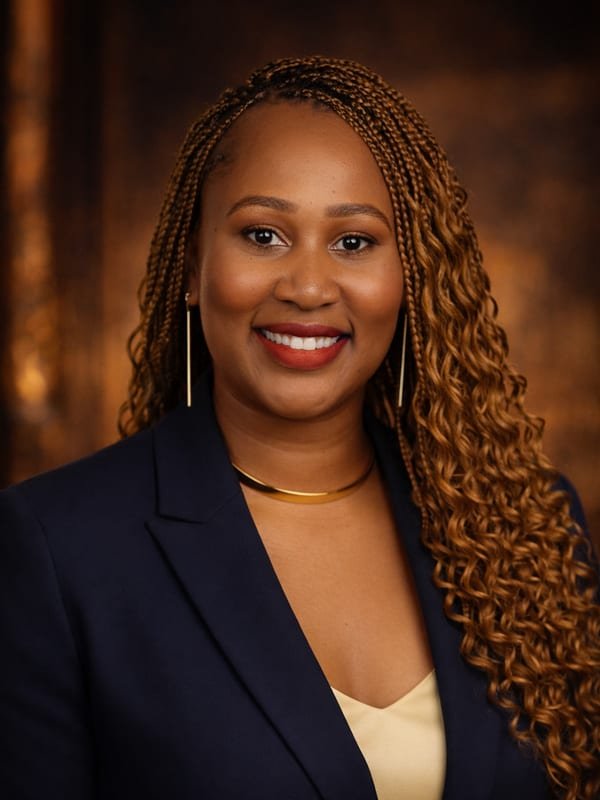 Esther Jackson-Stowell
24:08
 24:08
Open the audio directlyUse the player to pause, seek, or change playback speed.
Many real estate professionals overlook a powerful opportunity to combine investment with profound community impact. Esther and Darrell McCollough explore the business of recovery housing, revealing how to build and sustain a residence responsibly.
At the table
Darrell McCollough, founder of Start Sober Living and the Recovery Residence Operators Academy, joins Esther to discuss the unique intersection of real estate, business, and supporting individuals in recovery.
What this conversation covers
- Assessing recovery housing as a viable real estate opportunity
- Cultivating essential referral relationships for sustainability
- Operating a sober living home with responsibility and clear boundaries
- Understanding the “admissions business” model for success
- Matching your residence to specific client needs and profiles
A line worth keeping
You are actually in the admissions business, not the housing business.
Mentioned in this episode
- Darrell McCollough
- Start Sober Living
- Recovery Residence Operators Academy
- National Alliance of Recovery Residences (NARR)
- The Broker’s Table community, for women building faith, family, and lasting wealth
The Broker’s Table is hosted by Esther Jackson-Stowell. New conversations on faith, family, and the kind of wealth that outlives you.
In this episode
16 chapters
- 0:00Cold open: you are in the admissions business
- 0:23Welcome: Darrell McCollough, Start A Sober Living
- 1:26Why this work: clean since June 22, 2009
- 2:49What kept him: service, three homes, then consulting
- 4:00Assessing the opportunity: the empty property
- 5:00Referral relationships: ICP 1 and ICP 2
- 6:22NARR and the competent-operator problem
- 7:44Operating responsibly: scope and boundaries
- 9:12You are in the admissions business
- 10:09The right order, and which house you are running
- 11:24Dollar signs vs a people business
- 12:56A program so good that they tell on you
- 14:35Opportunity and responsibility: the three numbers
- 17:01What success looks like: community and a meeting
- 20:27One step this week: seek out a coach
- 23:18Where to find Darrell
Read the full transcriptAutomatically transcribed and lightly edited. Please check quotes against the audio.
0:00A lot of people think that they're in the housing business. You're actually in the admissions business. Okay. So if you're watching this right now, you need to know that you're Welcome to the Broker's Table, where faith, family and money sit down Together. Today, we're joined by Darrell McCollough. Founder of Start a Sober Living and the Recovery Residence Operators Academy. We'll be discussing the business lessons behind recovery housing, how to assess the opportunity, build referral relationships and run a sustainable residence responsibly while supporting people in recovery. Darrell, welcome to the Broker's Table.
0:51Thank you for having me. Absolutely. So Darrell McCollough is the founder of Start A Sober Living and Recovery Residence Operator Academy. He helps aspiring and current recovery residence operators understand the Practical steps involved in building and running a sober living home. His work sits at the intersection of real estate, business, and community Impact, helping operators build sustainable residences while supporting people in recovery. Darrell, we're going to jump right into the questions. Our topic today is the business lessons behind recovery housing. And Darrell, we want to understand how operators can build a sustainable recovery residence while supporting people in recovery, assessing the Opportunity, building referral relationships and operating responsibly.
1:42So in your personal journey, Darrell, what led you to start start a Sober Living and the Recovery Residence operators Academy? Why does this work matter to you? Yeah. So. Thank you for having me again, obviously. So to answer that question, I think it was my own journey and recovery and me getting clean back in June 22nd, 2009. And and I was, you know, doing what we were doing as far as like drinking and smoking and partying and having fun. But I had already realized that. It was taking away from who I was as a person so I decided to get clean and I've been clean ever since um so that was kind of how it started yeah okay That's very interesting so now just to jump on that question again you said that's how you um it started now what has kept you on that um so I think what has what's kept me on Staying clean I think is the service work that I've been doing this whole time so like you said like um I've been helping people start sober livings um and I think initially it was more or less of me just you know I Had already opened up three sober livings in California.
3:16And what was going on is people just kind of got wind and they were asking Questions. Hey, Darrell, I see that you opened up this. How do you do this? How do you get funding over here? Would you apply for contracts? And so that kind of led to me to think like, hmm, maybe I got something here, you know, and and essentially it kind of went from me just kind of being in recovery me opening up to sober livings to me moving into consulting and um I've been consulting ever since that's wonderful so when in assessing the opportunity for a real estate professional or Investor considering recovering how recovery housing how should they Assess whether it's the right opportunity for them I think um there's there's several things that you want to look at um I think that um if you have a property that um Might be sitting empty for 30 60 90 days this is a viable option right um I think that um if they want to help people this is Definitely a viable option and if they want to 3x 5x what they're making currently on that rental property this is something that they would probably be interested in knowing about yeah for sure for sure okay you're building referral relationships, how do operators build strong referral relationships, and why are they so important to running a sustainable residence?
4:58Well, I mean, I just think like any relationships in regards to business, we know that, you know, it's not always what you know, but it's who you Know. And you're what do they say? Your network to determines your Network. Yes, yes, yes, yes, yes, that, that. Your network determines your net worth. Exactly. And so I think that's kind of, that's like the basis of It. What I always teach is I teach, I teach market research is super important. And then ICP one, which is the person that lives in your home, which is that ideal customer profile. Then the ICP two or that referral Source, right? Where those, who's referring people to your home, right? And so ultimately it's the referral Sources and that emissions pipeline that transforms A home into a sober living business, Right? And so knowing how to be able to do that effectively or knowing who to reach out to is just as, is just as important as having a house to be able to kind of start.
6:19In, if that makes sense. Yeah. So what I'm hearing is that you can't just go to cousin, you Know, Tom, to refer someone to you, right? You need to be mindful of your referral relationships, right? Or can anyone just pop up and say, Hey, I hear you have this thing. Can I, you know, join? Oh, I think what's going on right now, and you're speaking to a huge Challenge right now in the industry, because what's happening is the NAR, National Alliance for Recovery Residences. They've just put out like a post pretty much saying, you know what, what we need more than anything else are competent operators. There's, there's so many people asking questions to chat, Google, and then all of a sudden they're operators now, right?
7:11And so because of that, we have a lot of people that are in the industry that don't quite know what they're doing. And so like, that's why we really created the Recovery Resident Operator Academy, where we normally have like two main goals. One is to make sure that you're competent in running a sober living home. Then the other thing is helping you not only get full, but be able to stay Full. Yeah, so that's mainly what we do. Okay, so the next question kind of leads into what you've just mentioned, and I'd love to hear more about it. It says, operating responsibly, what does it look like to run a sober living home responsibly, balancing a sustainable business with the real Needs of people in recovery?
8:02Um one understanding your scope of practice you You need to understand what exactly that you, that like what you're supposed to do. Where, where does your role start and stop? Right. And then I think understanding that client that's in your home and what they're going through. Cause you talked about operating responsibly, understanding that client where they are. And I'm not just talking just about individual clients where that's okay too, but understand where a lot of people are when they Enter into a home like this, they're in a rebuilding stage. Right. And then I think understanding that, you know, if. Sometimes what we think is help is actually hurting. So understanding, understanding boundaries are probably going to be super Important. So walk me through, let's say I am someone that's interested in starting a sober living. Okay. Walk me through the first things that I Should know. First and foremost, forget chat GPT and Google, but you as someone that has ran this business, it actually been through the process.
9:10What am I looking for? Well, let me say this. In the admissions business. And what do I mean by that? I mean, there's someone that's saying, I need a place to go. Right. And then they transition into, I'm moving in to your sober living. Right. That in between is the admissions business. And so, like, that's what they, I think, primarily need to understand. And so it looks like booking tours. Come in, check out the house, see if it makes sense, see if it's a good Fit. let's sit down at the table right nose to nose toes to toes and Let's see if this is a good fit for the culture that we already have in our house so So those are, those are some of the things that you really, really want to really get good at.
10:08And then outside of that, understand that it's people. People think it's, I get a house. I put some beds in. I get a chat GPT flyer and it's all like all these, you know, crammed Stuff going on. And then I try to find people. That's the wrong. That's the wrong order. What you want is you want to do your market research like any other business that you're going to start. You want to know exactly who your client is. What house do you want to start up? Because people don't realize there's golden girl houses, which are like 55, and up where there is, you know, there's, you know, where it's, it's just women in there. There's like workforce houses, people that need a place to like, you know, maybe they're coming from somewhere and they need to land and they, you know, and they're working from that house. Maybe it's a trucker house. Right.
10:59So understanding what your options are when we're looking at who you really want to have in your house and what type of business you want to run and who you want to cater to. And then you want to look at the referral sources after you understand who You're looking for, right? Who you want to bring into your house. And then there's some other things, but ultimately those are going to be like fundamentals, right? Hmm. Yeah. That is very interesting because I have seen some videos where people are like, oh, do you have this property? Get some beds in here and boom, you have a sober living. But then I think what most people don't understand is that not everyone can actually manage people in sober living. Like there's a whole process. You have to be able to cater to them, not just providing housing, but making sure that they're okay and working Towards their sobriety. So how do you, how do you really speak to those that want to do this and are just seeing the dollar signs, but to remind them to think about the people part of this?
12:05Yeah. So this is, this is the admissions business. And the only thing that trumps that is that this is a people's business, Right? So you have to, you have to understand that it's the people that are going to grow your house or they're going to Eventually get your house to where you don't want to even do it anymore. Like they're going to like, I don't want to say tear it up, but they're Just, they're going to give you such a bad name that you're going to be Like, you know what, this isn't for me. Right. And it's based on how you treat them. But I think really, believe it or not, it's the boundaries and the program that you set up. This is what I always tell all of my students. You want to set up a program so good that they tell on you.
12:56Right. Whether that's, let me, let me, let me break that down. So whether they're, you know, in front of a judge or in the probe or in Front of a probation officer or their parole officer or service worker. They're going to start saying things like this. Man, Darrell is making me, he's making me do my stores, making me look for Jobs, drug testing me. He is, you know, all of those things. And the judge, that probation officer, that parole officer, that service Coordinator, in the back of their mind, you're going to be saying, that's what we're paying him to do. Good for Darrell. Right. So ultimately we want to build a program that they tell on you. Right. And so how we do that is we, we build a program that is based on accountability and fairness from the beginning, from the beginning.
13:48So if you're watching this and you're thinking about doing this, I think You, you got to have some compassion for people, you know, you can make a lot of money in sober living. Absolutely. There's people making a lot of money, but there's a lot of lives that are being changed that are being touched. People are getting better. I have people that have come back to me years Later and say, you know what, thank you so much. You made the biggest difference in my life. Thank you. You know, even when they were, you know, maybe they were like Mad or whatever, then somewhere in this, they, they kind of realized like you were just doing your job, you know? So, yeah. I didn't like it at the time, but I'm so glad that you did. Yes, exactly.
14:36Okay. Let's talk about the, you know, the opportunity and responsibility. What do you wish more people understood about both the opportunity and the responsibility that come with recovery housing? So the opportunity is that it's ever expanding. Like sober living, like all these different houses are starting to like pop up and it's spreading like insane. Like I can't even tell you. What do you think is driving that? Well, what's driving it? And I want to pull up a statistic real here, real Quick. And so essentially, first of all, there's 15 .6 million vacant homes in the United States of America. They can't rent them. And in some cases they can't sell them.
15:30And we have inventory that's on the market right now. And as a real estate agent and as a broker, you understand. I understand that. Right. But that's not the only piece. The other piece is there's 48 .4 million people that are suffering from addiction in America. Right. So there's a cross section and that cross section is, is led to, we need more recovery Residences because we have a lot of people that's driving that, Right. That are in recovery or, or, or seeking out recovery. And then probably lastly, if, you know, just to kind of even go a little Bit deeper. So normally maybe like 10 years ago, what they would do if you were coming out of, say, you were formerly incarcerated or coming out of An inpatient treatment facility, or if you were, if you, if you were coming, if you were formerly incarcerated and you would go into An inpatient treatment facility.
16:30So you would spend 28 days there, 30 days there. And it was a tremendous amount. Of money, 30, 40, sometimes $50 ,000. And now what they're doing to help with costs is they'll put you in a Intensive outpatient program alongside of a sober living, which allows you to, which allows them to save a lot more money. Right. So that's the other third component that I think is driving such this trend right now. Okay. Now. In, since you've been, you said you've been doing this for seven years, but You've been in the space for 17 years. Yes. Now, what, what does a success rate look like for individuals to go through this?
17:19Here's our thumbs up there. Oh, there it is. Yes. Yes. I knew, I knew it would come eventually. So for the success rate, I think really. You. I think there's, there's a lot more people that are getting better moving on with their lives, but I think addiction is really hard and I think it's very sneaky and I think you have to connect them to a 12 step Program, a church, a mosque, like whatever you believe in. What really helps addiction is community. Right. And so if we can get them connected to church and Then, and then even in there, get them into service.
18:11That's different. Right. If we can get them into a narcotics anonymous. Right. And then we can get them into service. Right. There's a lot more people that do really, really well. So that's why I'm like, you need to get to a meeting. You need to get to a, you know, a church meeting, something that's going to be able to help you. Yeah. I like that you mentioned community. I think that, you know, most people forget that and It's, we talk about, well, there's been a lot of talk in the last like 10 years about one of the, like the driving force of issues in the U .S. And now it's loneliness and community really changes that so if you have somewhere that you feel that you belong to it really changes a person's Outlook so I'm glad that you mentioned that as far as like making sure that as they go through these programs that they are connected to a community someplace that will you know inevitably hold them accountable but not in a negative way you know but just in a way that's just hey we see you you're part of us let's let's work together to um to be better and that's a huge thing for anyone so I'm glad that you mentioned that and it's not just going through a program but making sure that they have some place to connect to and I really do appreciate your take on making sure that those that are starting getting into this business are being responsible and not just looking at the money side of things.
19:48Like money is great, don't get me wrong, but you're also dealing with People. And because you're dealing with people, you want to make sure that you balance out the opportunity and the responsibility of that whole Picture in order to be successful. Successful. Darrell, thank you for what you're you're doing out there I love when people see opportunities and see that people are not doing not doing the right things but then they're like okay let's let's fix this let's make sure that we're putting out more people out there that actually know what They're doing they're not in in essence ruining people you know while They're trying to be find their success so our final question for you today Darrell is what is one step you would encourage a listener to take this week if they feel if they feel called to recovering house housing yeah so I I think I think ultimately um because it's so dynamic and because we are dealing with people There's a component here that you're not going to get from chat or you're not going to get from asking Google a couple questions I think ultimately I would I would seek out a coach whether that's me or someone else that um can be able to guide you along the way and you may not need them the whole time but I think in the beginning there's so many ways to be able to make mistakes and not know it and pay for it later that um it's worth doing that and um we hold a free training on Thursdays at 7 p .m um hopefully we can get your audience that link so that they can be able to um so that they can be able to join um it's every it's every Thursday and uh to kind of go into exactly what they need to know right how to set it up the right way how not to make those big mistakes yeah so I like what you just said because what You've just uh provided as a community for those building this as much as you're as much as you're connecting the individuals that are going through the recovery program with their community but you're also Creating a community of support for those that actually want to take this step to start the recovery housing so that's pretty cool um if you don't Mind could you share your link for the Thursday um meetings or that you have or are they meetings or are they more of a training It's more of it's more of a training to be able to help them um because we have the recovery resident operator academy I believe we talked about that where we meet Mondays and we meet uh on on Wednesdays we also the Recovery Resident Operator Manual right here that goes along with that. And what we're doing is our job, I believe my task, my mission is to create competent operators because of the people that are in the home.
22:54And those are the people that I hold dear. Right. And people are going to flock to this. They're going to do it. There's a there's a ton of funding out there. That's great. but let's make sure that you're you're doing it the right way absolutely yeah so I will definitely please go ahead no go ahead what is that what is that link oh um can let me and where could people get your book um so It's so essentially they could be able to go to like start a sober living .com and um they could be able to contact us there and um and we can be able to send them a send them a manual Absolutely Wonderful daryl thank you so much for your time today you've been a great Guest and I hope that as our listeners are out there that they can take a lot from you and focus on balancing opportunities with the responsibility.
Episode transcript
Esther A lot of people think that they're in the housing business. You're actually in the admissions business. Okay, so if you're watching this right now, you need to know that you're. Welcome to The Burnt of Stable, where faith, family, and money sit down together. Today we're joined by Dara McCullough, founder of Start of Sober Living and the Recovery Residence Operators Academy. We'll be discussing the business lessons behind recovery housing, how to assess the opportunity, build referral relationships, and run a sustainable residence responsibly while supporting people in recovery. Dara, welcome to The Burnt of Stable. Thank you for having me. Absolutely. So Dara McCullough is the founder of Start Sober Living and Recovery Residence Operator Academy. He helps aspiring and current recovery residence operators understand the practical steps involved in building and running a sober living home. His work sits at the intersection of real estate, business, and community impact, helping operators build sustainable residences while supporting people in recovery. Dara, we're gonna jump right into the questions. Our talk today is the business lessons behind recovery housing. And Dara, we wanna understand how operators can build a sustainable recovery residence while supporting people in recovery, assess the opportunity, building referral relationships, and operating responsibly. So in your personal journey, Dara, what led you to start, what led you to start start a sober living and the Recovery Residence Operator Academy? Why does this work matter to you? Yeah, so thank you for having me again, obviously. So to answer that question, I think it was my own journey in recovery and me getting clean back in June 22nd, 2009. And I was doing what we were doing as far as like drinking and smoking and partying and having fun, but I had already realized that it was taking away from who I was as a person. So I decided to get clean and I've been clean ever since. So that was kind of how it started. Yeah. Okay, that's very interesting. So now just to jump on that question again, is if that's how you started. Now, what has kept you on that call? So I think what's kept me on staying clean, I think is the service work that I've been doing this whole time. So like you said, I've been helping people
Esther start sober living. And I think initially it was more or less of me just, I had already opened up three sober livings in California and what was going on is people just kind of got wind and they were asking questions, hey, Darryl, I see that you opened up this, how do you do this, how do you get funding over here? What do you apply for contracts? And so that kind of led to me to think like, maybe I got something here. You know, and essentially it kind of went from me just kind of being in recovery to me opening up the sober livings to me moving into consulting. And I've been consulting ever since. That's wonderful. So when in assessing the opportunity for a real estate professional or investor considering recovering housing, how should they assess whether it's the right opportunity for them? I think there's several things that you want to look at. I think that if you have a property that might be sitting empty for 30, 60, 90 days, this is a viable option, right? I think that if they want to help people, this is definitely a viable option. And if they want to 3X, 5X, what they are making currently on that rental property, this is something that they would probably be interested in knowing about. Yeah, for sure, for sure. So when you're building referral relationships, how do operators build strong referral relationships and why they're so important to running a sustainable residence? Well, I mean, I just think like any relationships in regards to business, we know that, you know, it's not always what you know, but it's who you know. And what do they say, your network, the term, the network. The network. Yes, yes, yes, yes, yes. That, that. So your network determines your network. Exactly. And so I think that's kind of, that's like the basis of it. What I always teach is I teach, I teach market research is super important. And then ICP one, which is the person that lives in your home, which is that ideal customer profile, then the ICP two or that referral source, right? Where those, who's referring people to your home, right? And so ultimately it's the referral sources and that emissions pipeline that transforms a home into a sober living business, right? And so knowing how to be able to do that effectively or knowing who to reach out to is just as, is just as important as having a house to be able to kind of start in, if that makes sense. So what I'm hearing is that you can't just go to cousin,
Esther you know, Tom to refer someone to you, right? You need to be mindful of your referral relationships, right? Or can anyone just pop up and say, Hey, I hear you have this thing. Can I, you know, join? So I think what's going on right now and you're speaking to a huge challenge right now in the industry because what's happening is the NAR, National Alliance of Recovery Residences, they've just put out like a post pretty much saying, you know what? What we need more than anything else are competent operators. There's, there's so many people asking questions to chat, Google, and then all of a sudden they're operators now, right? And so because of that, we have a lot of people that are in the industry that don't quite know what they're doing. And so like, that's why we really created the Recovery Resident Operator Academy, where we normally have like two main goals. One is to make sure that you're competent in running a sober living home. Then the other thing is helping you not only get full, but be able to stay full. Yeah, so that's mainly what we do. Okay, so the next question kind of leads into what you've just mentioned and I'd love to hear more about it. It says operating responsibly. What does it look like to run a sober living home responsibly, balancing a sustainable business with the real needs of people in recovery? One, understanding your scope of practice, you need to understand what exactly that you'd, that like what you're supposed to do, where does your role start and stop, right? And then I think understanding that client that's in your home and what they're going through, because you talked about operating responsibly, understanding that client where they are. And I'm not just talking just about individual clients where that's okay too, but understand where a lot of people are when they enter into a home like this. They're in a rebuilding stage, right? And then I think understanding that, you know, if sometimes what we think is help is actually hurting. So understanding boundaries are probably going to be super important. So walk me through, let's say I am someone that's interested in starting a sober living. Walk me through the first things that I should know first and foremost, forget chat, GPT and Google. But if you ask someone that is brand-new business, it actually been through the process, what am I looking for? Well, let me say this, a lot of people think that they're in the housing business. You're actually in the admissions business, okay? So if you're watching this right now,
Esther you need to know that you're in the admissions business. And what do I mean by that? I mean, there's someone that's saying, I need a place to go, right? And then they transition into, I'm moving into your sober living, right? That in between is the admissions business. And so like, that's what they, I think primarily need to understand. And so it looks like booking tours. Come in, check out the house, see if it makes sense, see if it's a good fit. Let's sit down at the table, right? Nose to nose, toes to toes. And let's see if this is a good fit for the culture that we already have in our house. So those are some of the things that you really, really want to really get good at. And then outside of that, understand that it's, people think it's, I get a house, I put some beds in, I get a chat GPT flyer, and it's all like all these, you know, crayon stuff going on. And then I try to find people. That's the wrong order. What you want is you want to do your market research like any other business that you're going to start. You want to know exactly who your client is, what house do you want to start up? Because people don't realize there's golden girl houses, which are like 55 and up, where there is, you know, where it's, it's just women in there. There's like workforce houses, people that need a place to like, you know, maybe they're coming from somewhere and they need to land and they, you know, and they're working from that house. Maybe it's a trucker house, right? So understanding what your options are when we're looking at who you really want to have in your house and what type of business you want to run and who you want to cater to. And then you want to look at the referral sources after you understand who you're looking for, right? Who you want to bring into your house. And then there's some other things, but ultimately those are going to be like fundamentals, right? Yeah. That is very interesting because I have seen some videos where people are like, oh, do you have this property? Get some beds in here and boom, you have it's so reliving. But then I think what most people don't understand is that not everyone can actually manage people and so we're living. Like there's a whole process. You have to be able to cater to them, not just providing housing, but making sure that they're okay and working towards their sobriety.
Esther So how do you really speak to those that want to do this and are just seeing the dollar signs? But to remind them to think about the people part of this. Yeah. So this is the admissions business. And the only thing that trumps that is that this is a people's business, right? So you have to understand that it's the people that are going to grow your house or they're going to eventually get your house to where you don't want to even do it anymore. Like they're going to like, I don't want to say tear it up but they're just, they're going to give you such a bad name that you're going to be like, you know what? This isn't for me, right? And it's based on how you treat them. But I think really believe it or not, it's the boundaries and the program that you set up. This is what I always tell all of my students. You want to set up a program so good that they tell on you, right? Whether that's, let me let me let me break that down. So whether they're in front of a judge or in front of a probation officer or they're a parole officer or service coordinator, they're going to start saying things like this. Man, Taro is making me, he's making me do my stores, making me look for jobs, drug testing me. He is all of those things in the judge, that probation officer, that parole officer, that service coordinator, and the back of their mind, you're going to be saying, that's what we're paying him to do. It's for Taro. Right? So, ultimately, we want to build a program that they tell on you, right? And so how we do that is we build a program that is based on accountability and fairness from the beginning, from the beginning. So if you're watching this and you're thinking about doing this, I think you got to have some compassion for people. You can make a lot of money in sober living. Absolutely. There's people making a lot of money, but there's a lot of lives that are being changed, that are being touched, people are getting better. I have people that have come back to me years later and say, you know what? Thank you so much. You made the biggest difference in my life. Thank you. Even when they were, you know, maybe they were like mad or whatever, then somewhere in this, they kind of realized like, you were just doing your job. You know? Yeah. And in lanking at the time, but I'm so glad that you did. Yes.
Esther Exactly. Yeah. Okay. Let's talk about the, you know, the opportunity and responsibility. What do you wish more people understood about both the opportunity and the responsibility to come with recovery housing? So the opportunity is that it's ever expanding. Like sober living, like all these different houses are starting to like pop up and it's spreading like insane. Like I can't even tell you how do you think it's driving that? Well, what's driving it, and I want to pull up a statistic real here real quick. And so essentially, first of all, there's 15.6 million vacant homes in the United States of America. They can't rent them. And in some cases, they can't sell them. And we have inventory that's on the market right now. And as a real estate agent and as a broker, you understand that, right? But that's not the only piece. The other piece is there's 48.4 million people that are suffering from addiction in America, right? So there's a cross section and that cross section is led to we need more recovery residences because we have a lot of people that's driving that, right? That are in recovery or seeking out recovery. And then probably lastly, if just to kind of even go a little bit deeper. So normally maybe like 10 years ago, what they would do if you were coming out of, say, you were formerly incarcerated or coming out of an inpatient treatment facility. Or if you were coming, if you were formerly incarcerated and you would go into an inpatient treatment facility. So you would spend 28 days there, 30 days there. And it was a tremendous amount of money, 30, 40, sometimes $50,000. And now what they're doing to help with cost is they'll put you in an intensive outpatient program alongside of a sober living, which allows them to save a lot more money, right? So that's the other third component that I think's driving such this trend right now. Okay. Now, since you've been, you said you've been doing this for seven years, but you've been in the space for 17 years. Yes. Now, what does a success rate look like for individuals to go through this? Here's our thumbs up, Darryl. Ha ha. Oh, there it is. Yes. Yes, I knew it would come eventually.
Esther So for the success rate, I think really, I think there's a lot more people that are getting better, moving on with their lives, but I think addiction is really hard. And I think it's very sneaky. And I think you have to connect them to a 12 step program, a church, a mosque, like whatever you believe in, what really helps addiction is community, right? And so if we can get them connected to church, and then even in there, get them into service, that's different, right? If we can get them into narcotics anonymous, right? And then we can get them into service, right? There's a lot more people that do really, really well. So that's why I'm like, you need to get to a meeting, you need to get to a church meeting, something that's going to be able to help you. Yeah. I like that you mentioned community. I think that most people forget that. And we talk about, well, there's been a lot of talk in the last 10 years about one of the driving force of issues in the US, and now it's loneliness. And community really changes that. So if you have somewhere that you feel that you belong to, it really changes a person's outlook. So I'm glad that you mentioned that as far as like, making sure that as they go through these programs that they are connected to a community, someplace that will inevitably hold them accountable, but not in a negative way, but just in a way that's just, hey, we see you, you're part of us. Let's work together to be better. And that's a huge thing for anyone. So I'm glad that you mentioned that, and it's not just going through a program, but making sure that they have some place to connect to. And I really do appreciate your take on making sure that those that are starting, getting into this business are being responsible, and not just looking at the money side of things. Like money's great, don't get me wrong, but you're also dealing with people. And because you're dealing with people, you wanna make sure that you balance out the opportunity and the responsibility of that whole picture in order to be successful. Darryl, thank you for what you're doing out there. I love when people see opportunities and see the people who are not doing the right things, but then they're like, okay, let's fix this. Let's make sure that we're putting out more people out there that actually know what they're doing, that are not, in essence, ruining people, while they're trying to find their success. So our final question for you today, Darryl, is, what is one step you would encourage a listener
Esther to take this week if they feel called to recovering housing? Yeah, so I think ultimately, because it's so dynamic and because you are dealing with people, there's a component here that you're not gonna get from chat or you're not gonna get from asking Google a couple of questions. I think ultimately, I would seek out a coach, whether that's me or someone else, that can be able to guide you along the way. And you may not need them the whole time, but I think in the beginning, there's so many ways to be able to make mistakes and not know it and pay for it later, that it's worth doing that. And we hold a free training on Thursdays at 7PM. Hopefully we can get your audience that link so that they can be able to join us every Thursday. And to kind of go into exactly what they need to know, how to set it up the right way, how not to make those big mistakes. Yeah. So I like what you just said, because what you've just provided as a community for those building this, as much as you're connecting the individuals that are going through the recovery program with their community, but you're also creating a community of support for those who actually wanna take this step to start the recovery housing. So that's pretty cool. If you don't mind, could you share your link for the Thursday meetings or that you have, or are they meetings or are they more of a training? It's more of a training to be able to help them because we have the Recovery Resident Operator Academy. I believe we talked about that where we meet Mondays and we meet on Wednesdays. We also have the Recovery Resident Operator manual right here that goes along with that. And what we're doing is our job, I believe my task, my mission is to create competent operators because of the people that are in the home and those are the people that I hold dear, right? And people are gonna flock to this, they're gonna do it, there's a ton of funding out there, that's great, but let's make sure that you're doing it the right way. Absolutely. So I would definitely go ahead. No, go ahead, what is that link? Oh, Ken, and where could people get your book? Where could people get your book? So essentially they could be able to go to like startasoberliving.com and they could be able to contact us there and we can be able to send them a manual, absolutely. Wonderful. Darryl, thank you so much for your time today.
Esther You've been a great guest and I hope that as our listeners are out there, that they can take a lot from you and focus on balancing opportunities with the responsibility.
Keep listening