
Kenneth Botwe and the Kerosene Lesson
At nine he sold kerosene on the streets of Ghana. Today he teaches why a bigger paycheck will not save you, and what will.
By The Broker's Table · Episode 1 of Across the Table with Esther Jackson-Stowell
Watch the conversation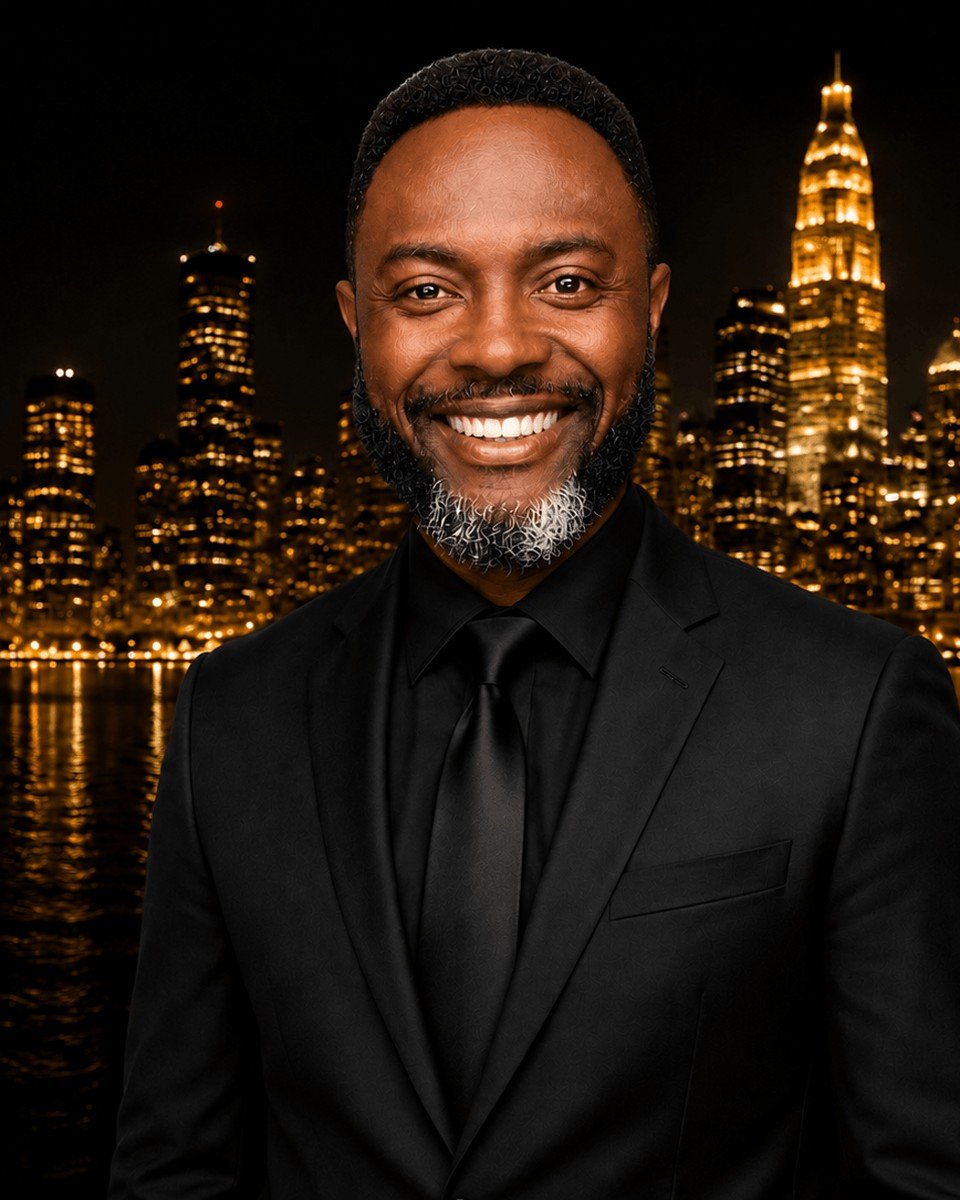
Chapters
- 0:00 Six figures, still paycheck to paycheck
- 0:24 Welcome to Across the Table
- 3:31 Selling kerosene and bread at nine
- 7:00 Ghana to America at 15
- 10:08 Where your money really goes
- 14:55 Financial leakage, explained
- 18:44 Emergency fund, 401(k) match and Roth IRA
- 22:27 The top money leaks
- 29:14 Three steps without earning more
- 32:37 Inside the Financial Metabolism assessment
- 43:09 One habit to start this week
Kenneth Botwe learned the value of a dollar before he learned long division. He was nine years old in Ghana, the oldest child in a household of his mother and two younger sisters, and there were seasons without enough food, without public transportation and without running water in the house. So every evening he walked to the filling station, bought kerosene by the gallon, poured it into small bottles and carried the crate through the neighborhood, selling it one bottle at a time to families who needed light to cook, read or simply see after dark. In the mornings he sold bread, because most families ate bread and tea for breakfast.
"It was a no-brainer for me," he told Esther. "I was actually happy that I was able to contribute."
Starting over at fifteen
At fifteen he came to America and met his father for the first time. His father had left Ghana while his mother was still pregnant with him. The adjustment was real: a new country, a new family and, he laughs now, the discovery that the English he thought he spoke so well wasn't quite American English. What steadied him was a house full of love. His stepmother, he says, never once called him a stepson, so he has never called her a stepmother.
Esther knows that story from the inside. She arrived in the United States at eleven, "kind of got dropped off," and went from being the youngest child in her household to the oldest cousin overnight. Their conversation before the cameras rolled became one of the warmest moments in the episode.
Kenneth finished school, went to college and served in the U.S. military. It was after the military, he says, that he truly began to understand money. That understanding became Financial Metabolism, the framework he now teaches.
"The problem is not what you're actually making. It's what your income is becoming.Kenneth Botwe
What your income becomes
Kenneth's core idea is simple and uncomfortable. Plenty of people earning $50,000, $60,000, even $100,000 a year still live paycheck to paycheck, because every dollar can only go three places: consumption, debt reduction or growth. When nearly all of it lands in consumption, a raise changes nothing. The lifestyle quietly absorbs it.
The fix starts with measurement. "You cannot improve on anything that you don't measure," he says. Write down the take-home pay. Write down every expense, line by line. Then look for financial leakage: money spent on things that aren't improving your life or moving you forward. Subscriptions you barely use. High fees. Interest you never renegotiated. The upgrade that followed the promotion. Esther adds her own: insurance and phone plans nobody has shopped in years.
He has a standing challenge for anyone who thinks they're the exception. "If you don't find no leakage, contact me and I'll help you find some leakage, because I haven't met anyone that didn't have any. They just don't want to admit it."
A prescription, not a lecture
Once the leaks are found, Kenneth gives every recovered dollar a job: a starter emergency fund, then any employer 401(k) match ("that's free money"), then a Roth IRA, then other investments, a business or real estate. He asks people to test changes for three months before judging them, then reassess every three months. He compares his free assessment to a visit to the doctor: a diagnosis, a stage and a score, then a prescription for what to work on first.
And he is careful about what freedom means. "It does not mean being rich. It just means that you're able to generate enough cash flow to take care of your expenses." His number is not your number. The point is to start.
"You never get there if you don't start. So don't be stressed out, but do get started.Kenneth Botwe
Today Kenneth is the author of seven personal finance books and a memoir, and his stated mission is to help one million people build real wealth. Watch or listen to the full conversation above, then take the companion guide we built from it to your own table.
Kenneth Botwe
Kenneth Botwe grew up in poverty in Ghana, the oldest child in a household led by his mother. At nine he was selling kerosene at night and bread in the morning to help his family.
At fifteen he came to America and met his father for the first time. He finished school, served in the U.S. military and, after his service, began to truly understand money.
That understanding became Financial Metabolism, a framework for measuring what your income becomes and turning more of every paycheck into lasting wealth. He is an entrepreneur, the author of seven personal finance books and a memoir, and his stated mission is to help one million people build real wealth.
Book a 1-on-1 strategy session with Kenneth
A private 60-minute Google Meet session: your numbers, your primary constraint and a personal plan, with 30-day email follow-up. $197.
Book the sessionPortraits courtesy of Kenneth Botwe; video stills from the Across the Table recording.
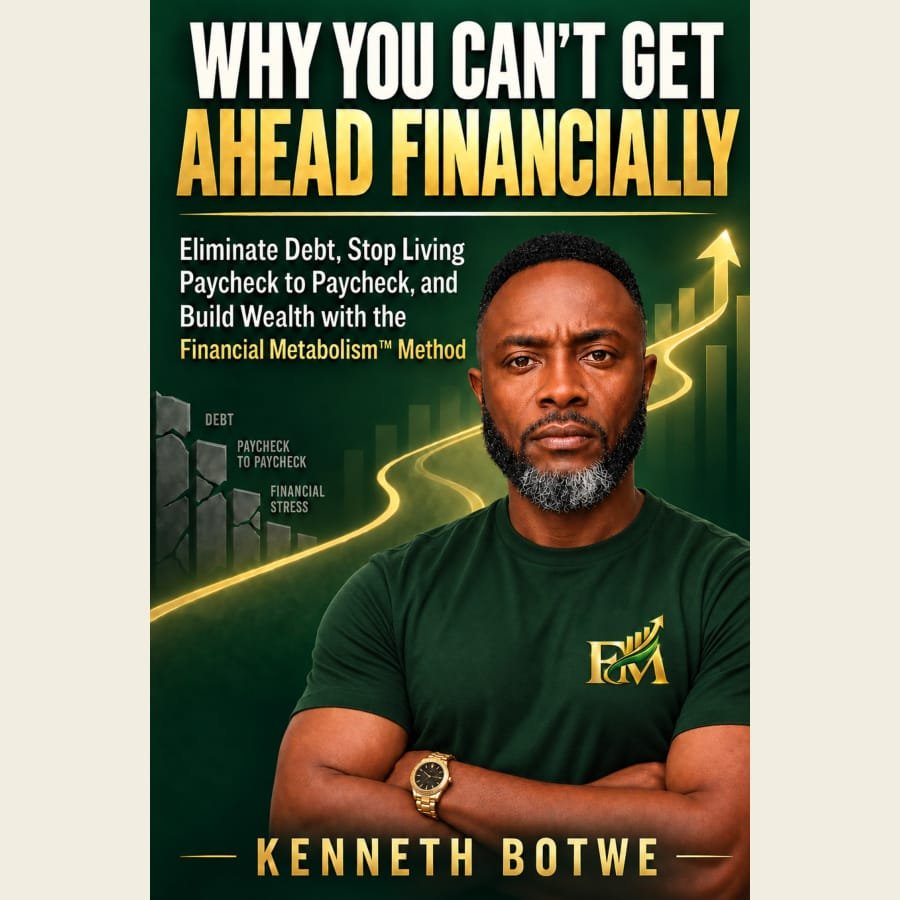 Why You Can't Get Ahead FinanciallyThe Financial Metabolism method: eliminate debt, stop living paycheck to paycheck and build wealth.
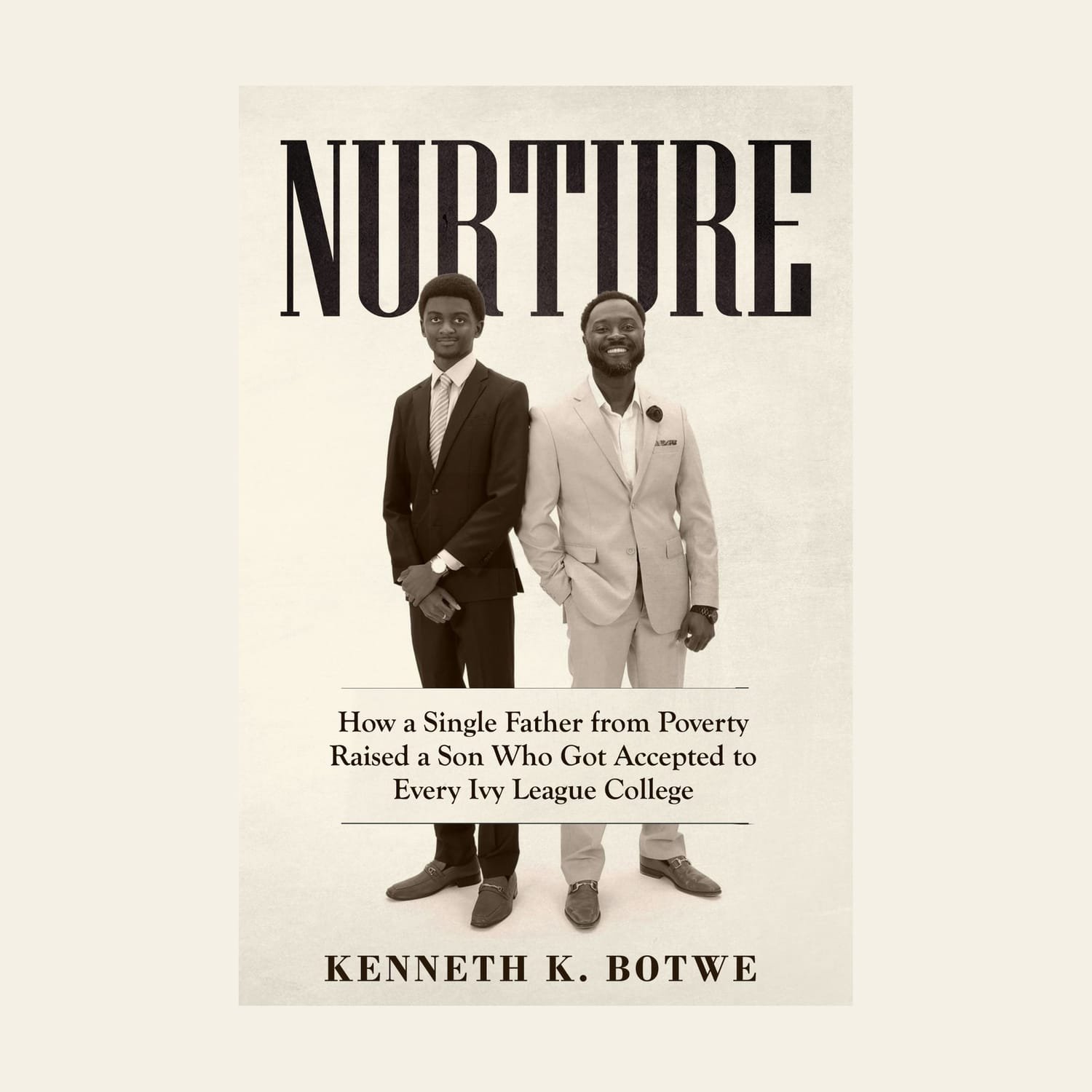 NurtureHis memoir: a single father from poverty who raised a son accepted to every Ivy League college.
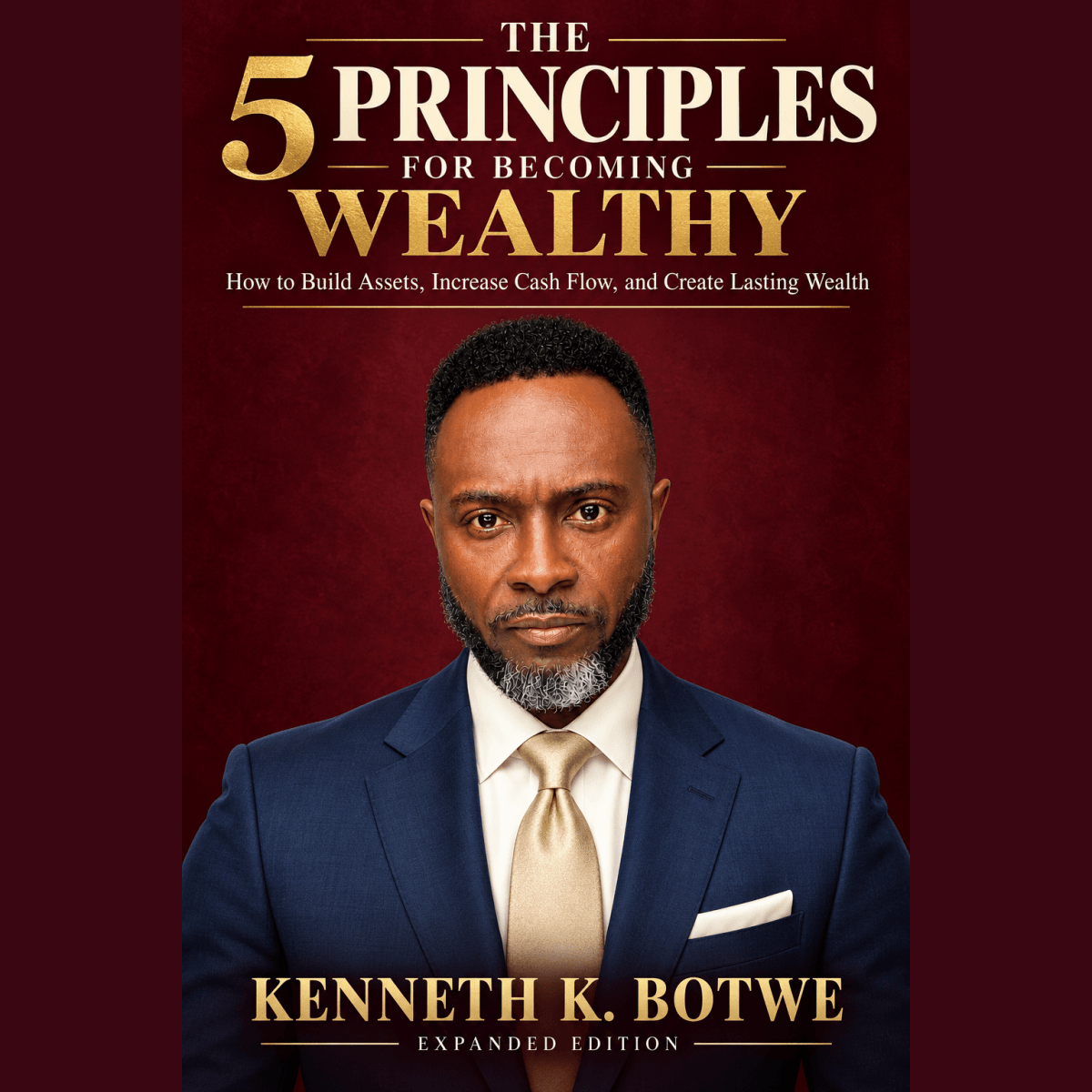 The 5 Principles for Becoming WealthyThe L.U.C.K.Y. framework for stronger habits, cash flow and action.
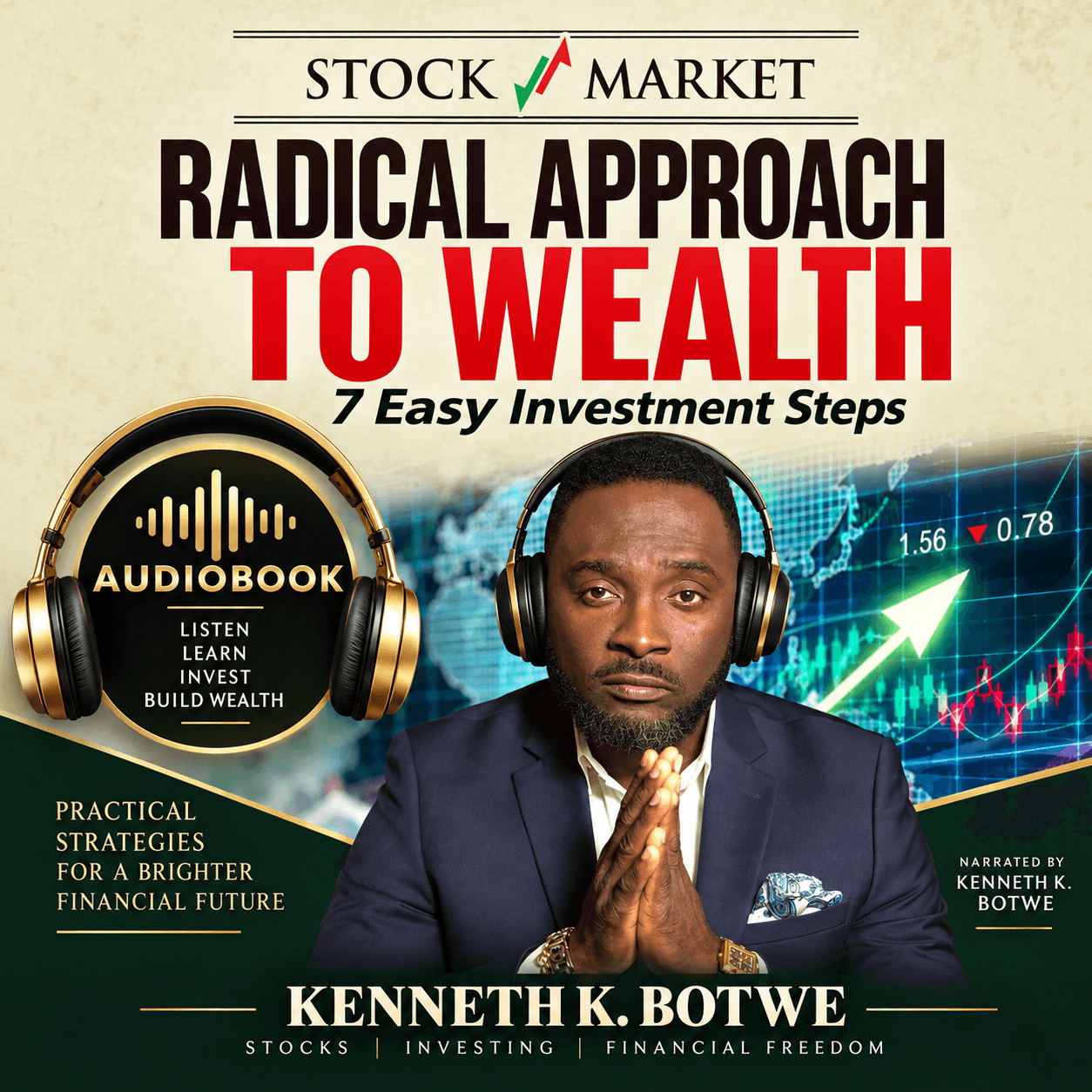 Radical Approach to WealthSeven steps from costly debt to investment accounts and long-term growth.
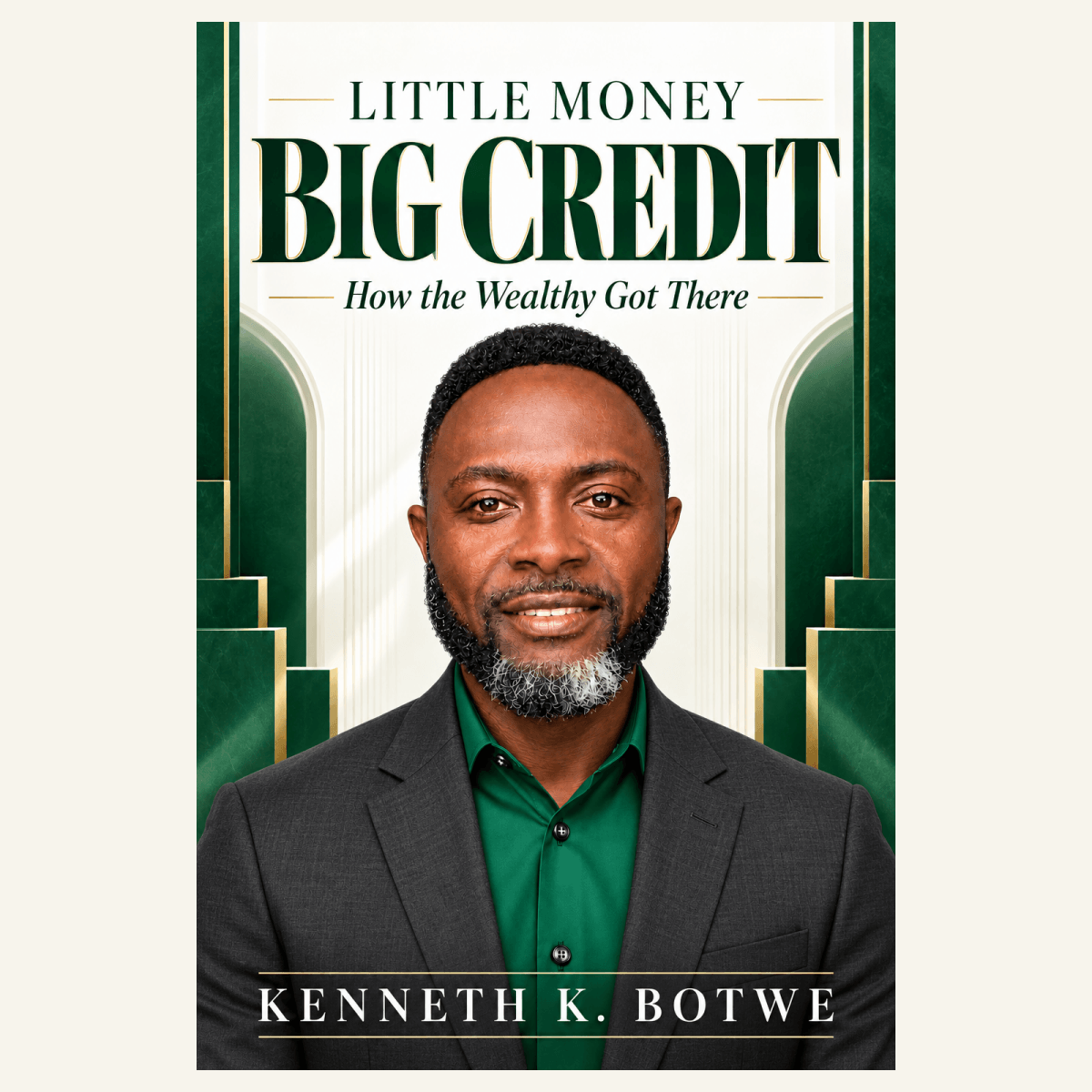 Little Money Big CreditResponsible credit, business systems and asset ownership.
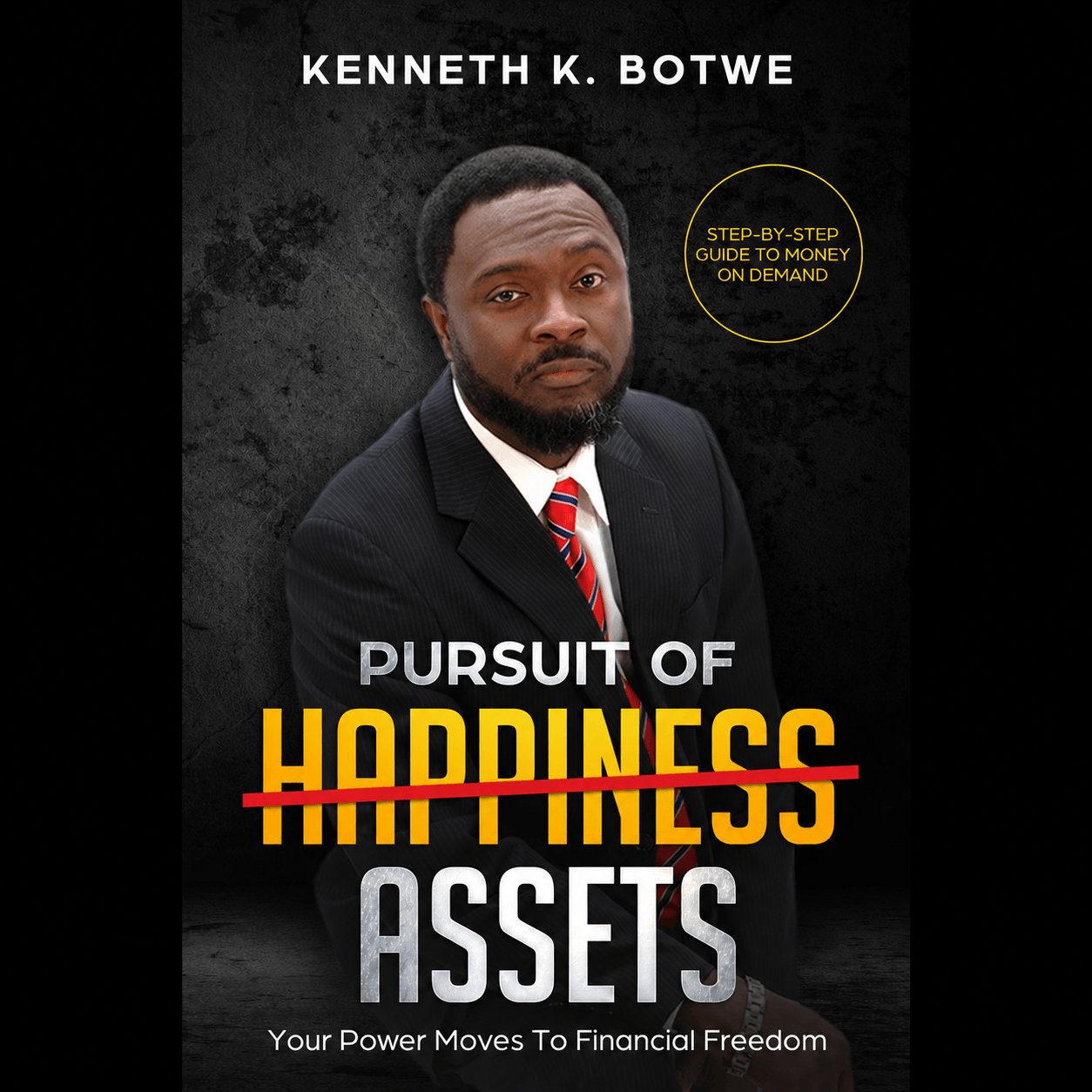 Pursuit of AssetsFrom earning and spending to ownership, independence and family legacy.
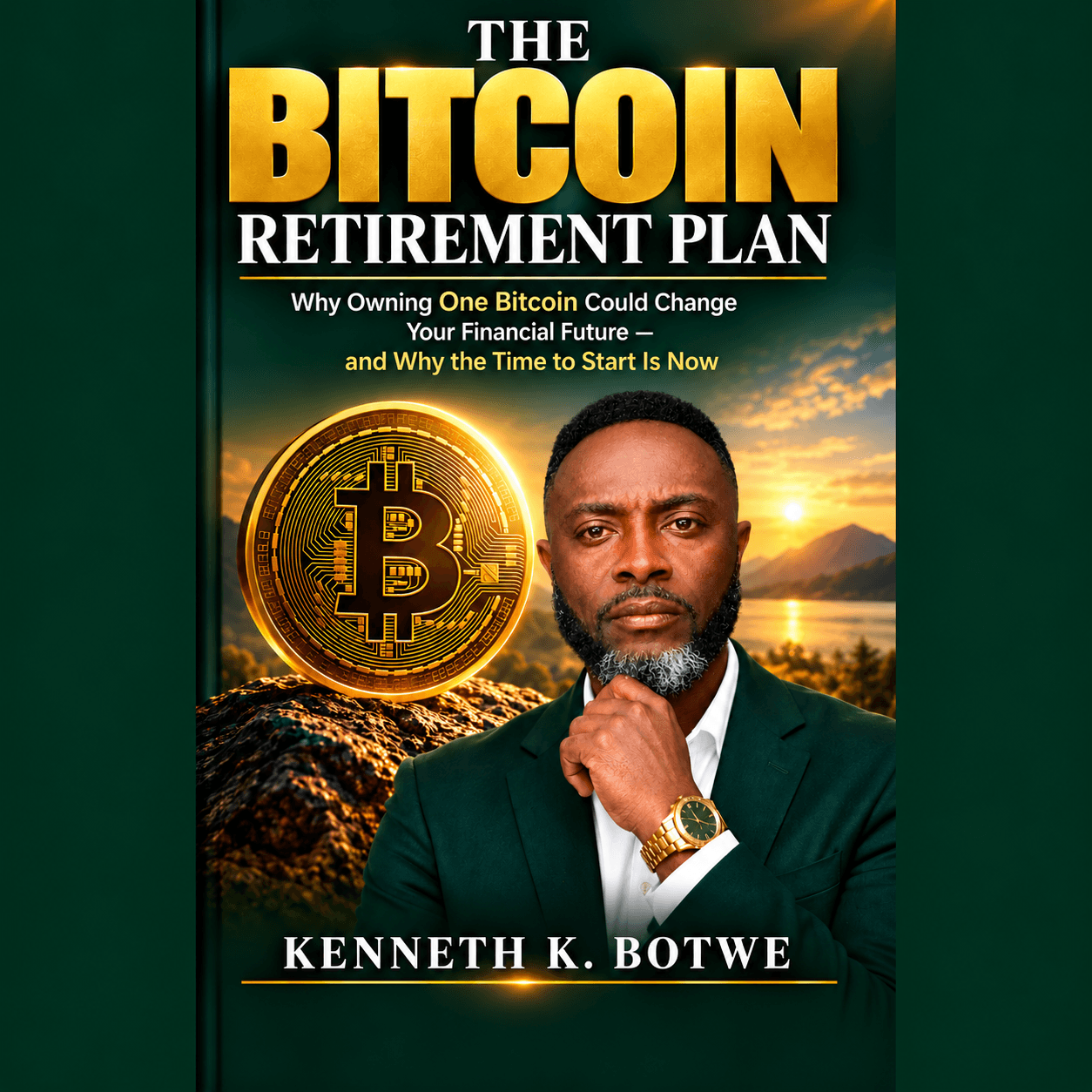 The Bitcoin Retirement PlanUnderstand Bitcoin, its risks and a responsible long-term plan.
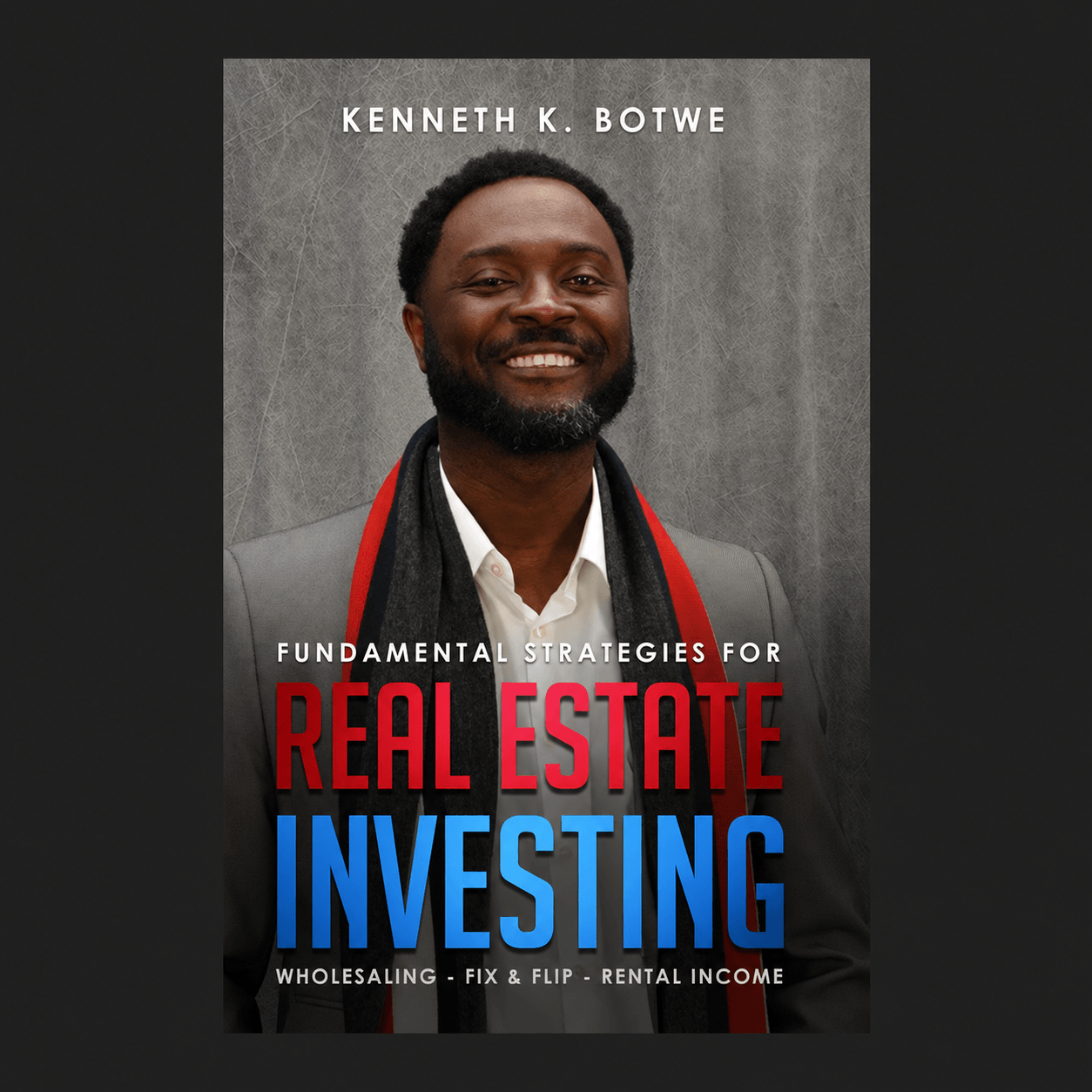 Fundamental Strategies for Real Estate InvestingWholesaling, fix-and-flip and rentals with budgets, risk checks and case studies.


What to remember
Kenneth's work
Financial Metabolism checkup
Nine quick questions and an instant report on why you cannot get ahead.
Take the checkup7-Day Financial Metabolism Challenge
Free dashboard and Debt-Free Calculator with one focused action a day.
Start the challengeWhy You Can't Get Ahead Financially
Kenneth's book, with a free audiobook preview, "A Promise Made in Ghana."
See the book1-on-1 Strategy Session
A private 60-minute session that turns your assessment into a personal plan.
Learn moreMetabolic Wealth Circle
Dashboards, toolkits and weekly live training and Q&A with Kenneth.
Explore the CircleThese are Kenneth Botwe's own products and services, featured editorially. The Broker's Table receives no commission from these links. Nothing here is individual financial advice.