Real Estate Strategy

Utah Market
I drive the Wasatch Front for work.

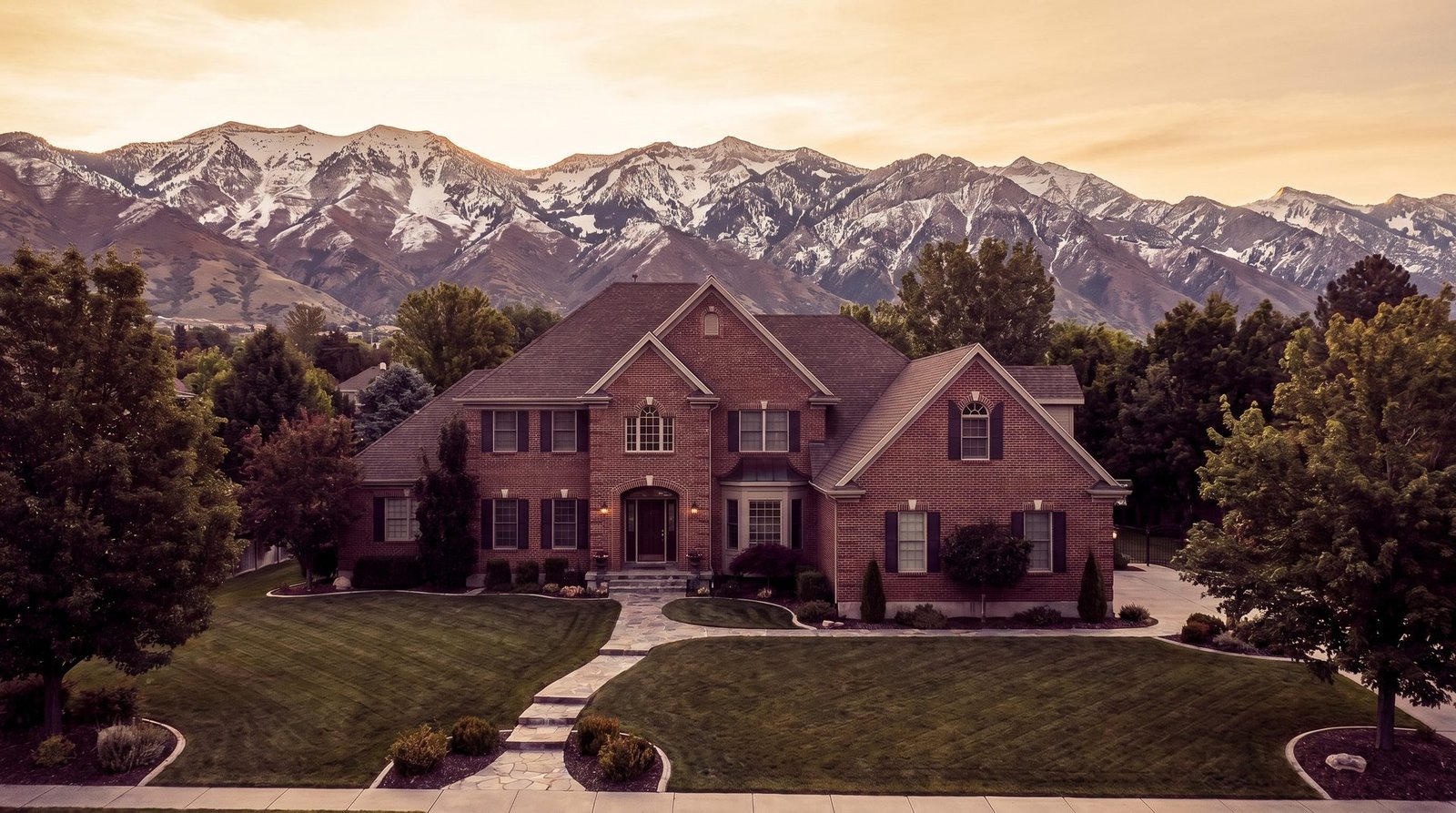
I drive the Wasatch Front for work. I drive it for the same reason farmers walk their fields. The numbers tell you one story. The land tells you another. When the two stories disagree, the land is usually right.
Utah is one of the most misunderstood real estate markets in America. National coverage paints it as a tech boom suburb of Silicon Valley with prices nobody can touch, or as a quiet faith-belt market where appreciation is sleepy. Both are wrong. The Wasatch Front is a working market. The cash flow is real if you know where to look. The faith community is genuinely a positive force on transaction quality. And the demographic momentum, the natural population growth driven by family size and in-migration, is structurally favorable in a way most national markets are not.
This guide is the version of the Utah market story I share with new clients before we walk through their first deal. It is not a forecast. It is a working broker’s view of where the cash-flow opportunity sits, what laws shape it, what the faith community brings to the table, and where the friction points are.

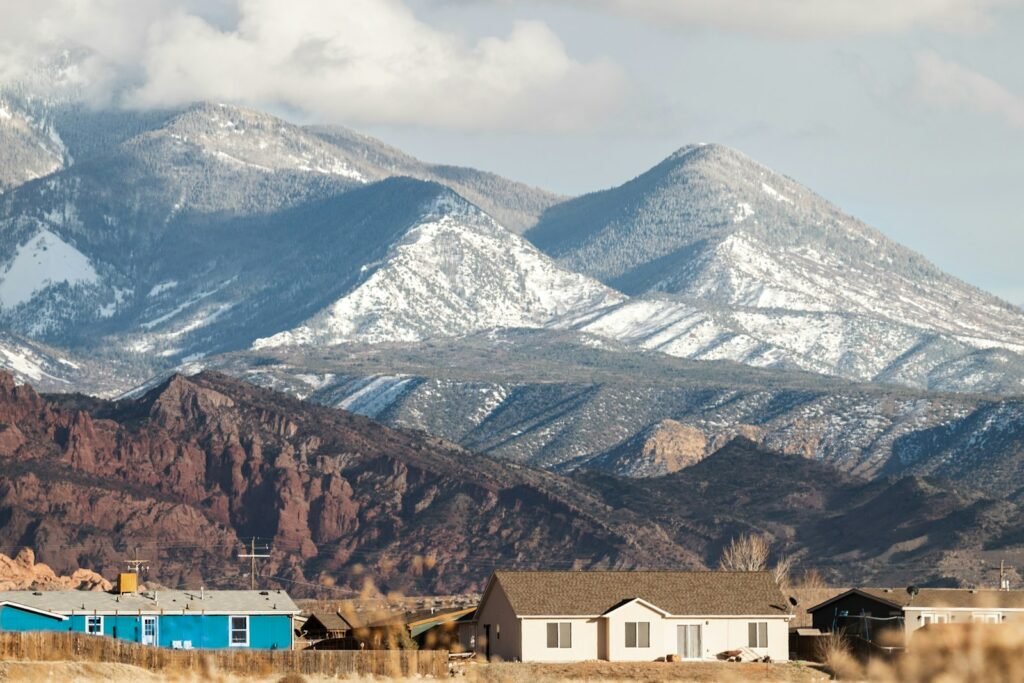
The Wasatch Front is the populous corridor running roughly from Brigham City in the north through Ogden, Layton, Salt Lake City, Provo, down to Spanish Fork. Over 80% of Utah’s population lives in this corridor . It is bounded on the east by the mountains, which is not a metaphor: developable land is geographically constrained, which puts an unusual floor under property values during downturns and an unusual ceiling on supply during expansions.
The Wasatch Front is the Utah real estate market. The St. George corridor, the Park City resort market, and the Cache Valley submarket all matter, but the bulk of investable inventory and the bulk of population growth happens here.
A few structural facts that shape every investment decision:
Population growth has been positive every year for over a decade, driven by both natural increase and net in-migration . Median household size in Utah is the largest in the nation, which sustains demand for 3-bedroom and 4-bedroom rental product specifically. The state’s median age is the lowest in the nation, which sustains rental demand from young families. Tech employment has expanded along the Silicon Slopes corridor (Lehi, American Fork, Pleasant Grove, Draper) over the past decade, which has lifted prices but has also created legitimate rental demand at higher price points.
Mortgage rates and price levels in 2026 are the questions every reader has, and they are also the questions that age the fastest in any guide. We will not anchor on a number that will be wrong by the time you read this. We will anchor on the structural factors, which change less.
Cash-flow markets in Utah are not the headline cities. They are the second-tier cities along the Wasatch Front where price-to-rent ratios still work for a buy-and-hold investor. The list below reflects my working view as of mid-2026.
1. Ogden. Ogden has the most balanced cash-flow story on the Wasatch Front. Median home prices remain meaningfully below Salt Lake County , rents have risen with the broader market, and the small multifamily inventory (duplex, triplex, fourplex) is genuinely available, especially in the older neighborhoods east of Washington Boulevard. House-hacking opportunities here are real.
2. Clearfield and Layton (north Davis County). The Hill Air Force Base presence creates a consistent rental demand floor that is largely independent of the broader Wasatch economy. Single-family rentals near base perform reliably. Vacancy is structurally low.
3. West Valley City. Often overlooked. Prices remain below the Salt Lake City core. Rental demand is strong from working families. The submarket has had quality issues historically, which is exactly why it still cash flows. The diligence requirement is higher.
4. Magna and Kearns. Older inventory, accessible price points, and proximity to the Salt Lake employment corridor. These submarkets are not for first-timers who want a turnkey experience. They are for investors willing to do real renovation work and earn the spread.
5. Spanish Fork and Springville (south Utah County). Family-oriented submarkets with lower price points than the Provo/Orem core. New construction has been steady. Rental demand from young families is robust. Cash flow on new construction here is tighter, but the appreciation profile has been favorable.
The cities I do not include on this list (Salt Lake City core, Park City, Lehi/Draper, southern Utah County’s tech belt) are excellent appreciation markets and reasonable owner-occupant markets. They are not strong cash-flow markets at current price levels .
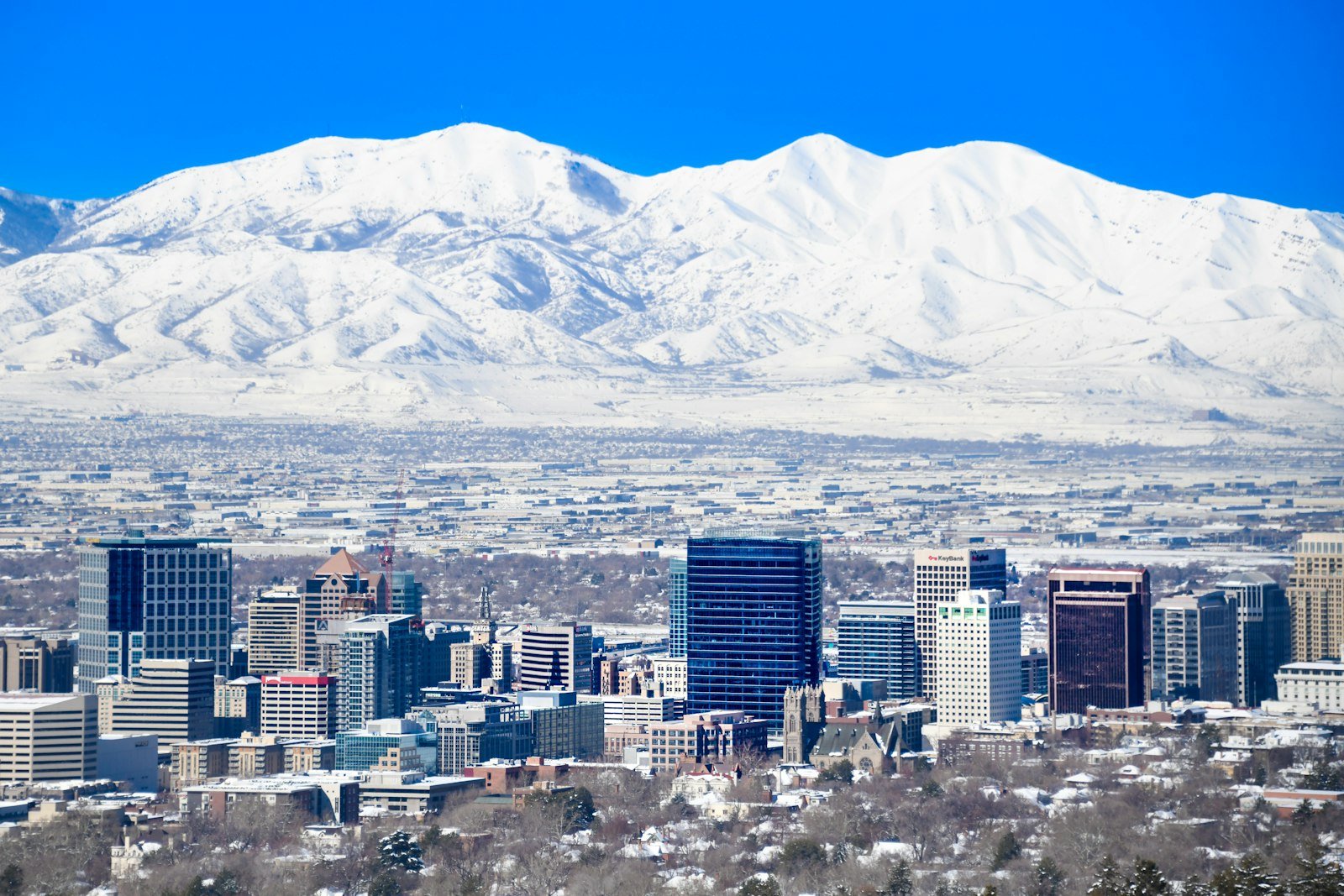
The Wasatch Front in Q2 2026 is moving through the second year of an interest-rate environment that is materially higher than the 2020-2022 lows. Inventory has expanded from the historical lows of 2021. Days on market have lengthened from a few days to a few weeks in most submarkets. Price growth has moderated; flat-to-modest annual appreciation is more typical now than the double-digit appreciation of three years ago.
For a buy-and-hold investor, this is a more workable environment than the frenzy of 2021. You can write an offer below asking. You can include an inspection contingency without losing the deal. You can negotiate seller concessions on closing costs. The capacity to negotiate has returned.
For a flipper, the environment is harder. Margins compress in a flat appreciation market, and renovation labor costs have not come back down meaningfully. Buy-and-hold has a structural advantage right now versus short-hold strategies.
A Utah investment property is typically purchased in a personal name for the first one or two acquisitions, then placed into an LLC structure for liability separation as the portfolio grows. This is not legal advice. This is a description of the most common pattern I see.
Utah is a Series LLC state, which allows for a parent LLC with multiple “series” underneath it, each holding separate properties with separate liability protection . Series LLCs have administrative advantages but also some unsettled legal questions across state lines. A Utah real estate attorney is the right person to evaluate whether a Series LLC, a single LLC per property, or a holding-LLC-with-subsidiary structure fits your specific portfolio.
Over 80% of Utah’s population lives in this corridor .

Listen to The Broker’s Table
Esther covers the Wasatch Front every Thursday on The Broker’s Table podcast.
A few practical Utah notes. Utah has no state-level rent control. Utah does not have a statewide STR (short-term rental) regulation; STR rules are set city by city, and they vary significantly. Utah is generally landlord-friendly in eviction proceedings, with statutory timelines that are shorter than many other states .
For the credit foundation that supports any of this, see our pillar on credit as a wealth tool.

I serve a market with one of the most active faith communities in the country. The LDS (Latter-day Saints) population is structurally significant in Utah, and the Christian, Catholic, and Jewish communities are also active. The faith community shapes Utah real estate in ways that are not always obvious to investors moving in from outside the state.
Faith communities tend to produce stable, long-tenure tenants when treated with respect. Family-oriented housing demand (3-bed and 4-bed product, garages, yards) is structurally higher in Utah than in coastal urban markets, in part because family sizes are larger. Owner-occupant demand for small multifamily product (especially properties with mother-in-law units, which we will cover in our Utah ADU strategy guide) is unusually strong.
For a faith-driven investor, the alignment is genuine. Utah is not a perfect market. It is, however, a market where stewardship-minded investing is recognizable to your tenants and your service providers in a way that is uncommon elsewhere. That cultural fit translates to lower turnover, faster repairs, and more honest conversations.
There is a quiet difference between a national wholesaler pitching Utah and a Utah broker living the market. National coverage tends to over-index on Salt Lake City proper, miss Ogden entirely, fold Provo and Lehi into “Silicon Slopes,” and ignore the family-rental demand structure that defines the Wasatch Front.
The view from inside the market is different. Inventory comes through brokerage relationships that pre-date the MLS by 24 to 72 hours in many cases. Off-market inventory is more accessible to local brokers than to remote investors. The municipal nuances (Ogden’s renovation grants, Salt Lake City’s affordable housing overlays, certain cities’ STR moratoria) require local relationships to understand.
I do not say this to gatekeep. I say it because the most expensive mistake I see remote investors make is buying a Utah property based on national listing data, without ever having driven the street, without a local broker who knows the block, and without understanding the city-by-city regulatory landscape.

Client A came to me with $35,000 saved, a credit score in the high 600s, and a strong W-2 income. She wanted a small multifamily within an hour of her work, where she could house-hack and reduce her own housing cost. We looked at three Ogden duplexes over six weeks. The first had a foundation issue the inspection caught. The second had a tenant issue (an inherited problem tenant on an existing lease). The third was the deal: a side-by-side duplex in east Ogden, owner-occupant FHA, total out-of-pocket under $20,000 including closing costs and reserves . Her own housing cost dropped to a fraction of what she had been paying in rent. The other side cash-flows. After 12 months, she will move out, rent her unit, and the property will be a full rental. The credit foundation she had built over the prior year was the reason this was possible. For her credit-building playbook, see credit as a wealth tool.
Client B was a single mother with two children, a credit score of 720, and roughly $40,000 in available capital. She wanted a single-family rental, not a primary residence; she preferred to keep her own housing arrangement separate from her investment. We targeted Clearfield specifically for the Hill Air Force Base demand floor. Closing happened on a 3-bedroom 2-bath in a 1990s-era subdivision, with 25% down on a conventional investment loan. Day-one cash flow was modest but positive. The strategic value was the location’s structural rental demand, which has held steady through three economic cycles in my career. For the broader template her purchase followed, return to our pillar on real estate investing for faith-driven women and the gateway entry guide at how to start real estate investing with less than $10,000. Single mothers building wealth through real estate, you have a real seat at this table; read building wealth as a single mom, practical strategies.
Three actions for this week.
First, drive a city. Pick one of the five cash-flow cities above. Drive the major arterials. Notice the density of “for rent” signs. Notice the construction. The drive does in 90 minutes what no website can do.
Second, pull your credit reports and run the 90-day credit improvement plan from our credit pillar. The credit profile you build now is the leverage you will deploy in 6 to 12 months.
Third, when you are ready for a real conversation about a real first property, work with a Utah broker who works with investors specifically. Owner-occupant agents and investor agents read deals differently. The right agent saves you from the wrong deal.
If you want the deeper foundation that supports this guide, our pillar on the complete guide to real estate investing for faith-driven women is the next read, and the future-portfolio framework is at building generational wealth, a faith-based framework.
Subscribe to The Broker’s Table on Apple Podcasts or Spotify. New episodes release on Thursdays. The show is in its first season; the early conversations are the foundation for everything that follows.
About the Author
Esther Jackson-Stowell is a licensed real estate broker, real estate educator, and host of The Broker’s Table, a podcast for faith-driven women building generational wealth through property ownership and legacy planning. She has guided 200+ families through real estate decisions and produces new episodes every Thursday at https://thebrokerstable.com.
Educational Content Only: The content on this page is for general informational and educational purposes only. It is not personalized financial, investment, legal, or tax advice and should not be relied upon as such. Esther Jackson-Stowell is a licensed real estate broker. Her broker license covers real estate brokerage activity in the states where she is licensed; it does not authorize her to provide personalized securities investment advice. Results discussed are illustrative of specific circumstances and are not typical. Past results do not predict future outcomes. Consult a qualified financial adviser, licensed attorney, or CPA before making any financial decision.
EDUCATIONAL CONTENT NOTICE
Educational Content Only: The content on this page is for general informational and educational purposes only. It is not personalized financial, investment, legal, or tax advice and should not be relied upon as such. Esther Jackson-Stowell is a licensed real estate broker. Her broker license covers real estate brokerage activity in the states where she is licensed; it does not authorize her to provide personalized securities investment advice. Results discussed are illustrative of specific circumstances and are not typical. Past results do not predict future outcomes. Consult a qualified financial adviser, licensed attorney, or CPA before making any financial decision.
The Broker’s Table is hosted by Esther Jackson-Stowell — licensed real estate broker, speaker, and author. Utah Business Woman to Watch 2026.
Explore Esther’s work →