
The Broker's Table · Episode 3 · July 9, 2026
Friendships: Blessings, Boundaries, and Betrayal, the real talk they don’t post online
Esther Jackson-Stowell sits down with Megan Pyrah and Megan Alsup for an honest conversation about the real fine print of adult friendship - seasonal shifts, the loyalty audit, setting healthy boundaries, and healing after…
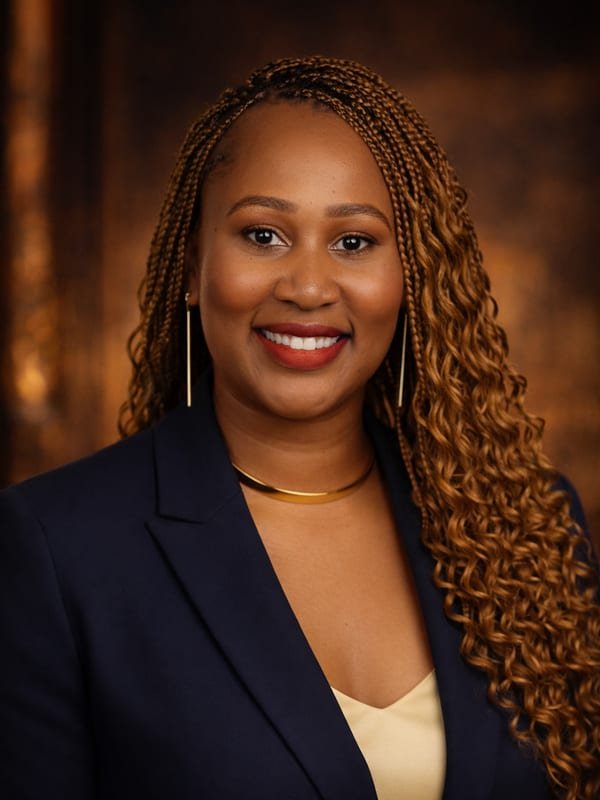 Esther Jackson-Stowell
with Megan Pyrah & Megan Alsup
01:28:54
Esther Jackson-Stowell
with Megan Pyrah & Megan Alsup
01:28:54
 01:28:54
Open the audio directlyUse the player to pause, seek, or change playback speed.
Key takeaways
- Friendship in adulthood requires intentionality that playground friendships did not
- Seasonal friends serve a purpose - not every relationship is meant to last forever
- The Loyalty Audit: recognize if a friend only shows up when you are winning
- Setting boundaries is an act of kindness, not rejection
- Prefacing conversations tells friends whether you need solutions or a safe space to vent
- Forgiveness does not require granting access - you can forgive and still protect your peace
Some of the most honest conversations happen after the guests think the recording has stopped. This one we kept rolling. Esther Jackson-Stowell sits with Megan Pyrah and Megan Alsup for the talk about friendship that rarely makes it online: the blessing of being truly known, the boundaries that keep a friendship healthy, and what it actually costs when trust is broken.
At the table
Two friends, one host, and a subject most people only handle in whispers. Megan Pyrah and Megan Alsup join Esther to talk about the friendships that shape a woman’s life, and the ones that quietly break her heart.
What this conversation covers
- Why the friendships that carried you into adulthood are not always the ones meant to carry you through it
- Telling the difference between a season ending and a relationship failing
- Holding a boundary without losing the warmth that made the friendship matter
- What betrayal teaches you, and how to rebuild without becoming guarded
- The quiet work of choosing friends who want to grow, not just gather
A line worth keeping
Real friendship is not the absence of conflict. It is the presence of people who stay honest through it.
Mentioned in this episode
- Guest voices, Megan Pyrah and Megan Alsup
- The Broker’s Table community, for women building faith, family, and lasting wealth
The Broker’s Table is hosted by Esther Jackson-Stowell. New conversations on faith, family, and the kind of wealth that outlives you.
Episode transcript
Esther Welcome back to The Broker's Table. My name is Esther Stowell. We have Megan Pyrah and Megan Alsup with us today, and we're going to be talking about friendships, specifically friendships, blessings, boundaries, and betrayal. The real talk they don't post online. Megan and Megan.
Megan P. Good to meet you.
Megan A. Yeah.
Esther So true story, these two just met right now. And these two have a special place in my heart. Megan Alsup, I've known for over 15 years now, and Megan Pyrah, I just met, and we instantly connected. Before we get started, I just want to thank you both for being here because I know that you have little ones at home, and you can be with them right now, but you've chosen to give me some of your time, and I just want to let you know that I appreciate that, and I'm really grateful for your willingness to carve out some time to be here with me today to talk about friendships.
Esther Now, one of the reasons why I felt that it was important for me to have you both be here and talk about this is because you both have a different perspective of friendships, especially with me. You have been knowing me for 15 years, and you having just met me, so I would love to hear the different perspectives, and we're going to talk about in-depth just about more things that we are dealing with in our lives with our work and everything else in between.
Esther So to get started, we're just going to say, you ever look at a friend and think, girl, are we growing together, or are we just here for the snacks?
Megan P. I'm here for the snacks.
Esther Right? So true, is it brownies, or is it chips? But whatever the case would be. What story is it fun? Like, how much do we invest in this relationship?
Megan A. Yeah. So true. So true.
Esther Okay, as we talked about, this episode is about friendship, the good, the bad, and the ghosted. Friendship is basically a group project in adulthood and half the group stopped replying.
Megan P. I feel that.
Esther Okay. At The Broker's Table, we talk faith, family, and the fine print of real life. So pull up your chair and join us, and let's get going on this. When you're 20, friendship is brunch. When you're 40, it's voice notes between chaos. The difference between social media friends and real-life friends. Friends who loved old you, but struggle with new you. What surprised you most about adult friendship? Megan Pyrah.
Megan P. Oh, that it was harder than it was in kindergarten, when everybody is friends.
Megan P. You can just run up to the playground and say, "Hey, let's be friends." It was harder that more people came and went, and that I found that there were less people, maybe in my circle, reaching out to invite me to things, that it taught me things that it didn't teach me in kindergarten. I think that's been most surprising for me.
Esther Interesting. What about you, Megan? Megan A, Megan P.
Megan A. Yeah, that's me. That's coming, Megan. Megan from the block. What has surprised me the most about friendships is the freedom that I have to be selective. I can't put my time and energy into those who are investing in me.
Esther Pretty true. I love both your answers. And I think that I take both of those in, where there are some times where I see young children connecting and being friends. And I still try to do the same thing, as you can see. Like the minute you talk to me, I'm like, great, we're going to be friends, and I'll make time to do that. But we all have busy schedules, we have families, and that could be very, very difficult. But I like what you said. It allows you to be selective, because now you have to worry more not just about yourself. You have to worry about your children. How will this person fit with my children, what I want my children to see and emulate? How will their, whoever's attached to them, also affect my offspring?
Megan P. Because we want them to model us.
Esther We do, we do. That's how they learn about relationships, is how I am with you, how I am with the rich, and I'll show that feeling of safety.
Megan A. And I think that's like the scary part, which makes it in some way more difficult to make friends. Because there's just so many more criteria that you have to check off before you can even allow that person to come into your true circle, which is where your family is, which is where your home is.
Esther So I love both your answers and not respecting that. You can't just do it the way you did it as a kid. You have to be more aware.
Megan A. Like you want to. Yeah.
Esther And then yours, okay, you gotta be a little bit more selective. So that's very interesting. How do you tell when a friend is for a season versus your story? I'll have you start first.
Megan P. Okay. How much you guys invest in each other? You know, you're talking about kindergarten. Some of my, I call them like my life partners because sometimes friendship is the word that's not strong enough for these people. I consider you a life partner that I know no matter what, you will show up without any questions and stand in front of me if we ever had to battle it out somewhere. Truly, it's them. It's the investment. It's knowing that we are willing to change together, because when you talk about kindergarten, a lot of my friends I met around kindergarten, and so being with each other and knowing our background and our history and who we were in our twenties, who we were in our thirties, and so on. And I think that's what makes our relationship stand out, is that I met you when you were pregnant with Dave before I had kids. And then now, we both, I don't know how many kids you have. We're going to have like a billion kids, I'm just kidding. It's less than a billion. Just right under a billion. But yeah, we're getting there. So it's those that you know and you trust that will show up when you absolutely need to.
Esther Absolutely. I love that we are so different, and yet we have this common friend.
Megan A. So I think I'm in an era where I have friends for seasons, and I don't have a lot of friends for my story, for my lifetime. I am someone that moves around a lot, and so I'm always popping into a different neighborhood, different community, different state, different culture. And that has framed for me friends for seasons, because a lot of the mindset of those friends is you're not in my neighborhood, we're not at the same school, same church anymore. So it's kind of like out of sight, out of mind. So very different. But through those seasons, there's a few that still connect. There's a few that we love to put that effort in and we love to
Megan P. So I'm just in that area where I think most of my friends are seasonal.
Megan A. Interesting. That was hard for me to have seasonal friends. I had to learn how to not be an all-in fan. Especially with the kids going to school and a community, to be okay with just that face value. How you're doing, it's great to see you, you're well, just being cordial.
Megan P. Yeah, that's very interesting. It's making me think because when you grow up in a city, it's easy to be that way, seasonal. Because you don't really see — we're neighbors, but we're not neighbors. You see your neighbor maybe once a week. Whereas in the suburbs where we now live, there's a whole community where you're associated not just in church, but you see them at the store, you see them next door, and there's that bonding that happens.
Megan P. For someone like me who's a transplant to Utah, I've had to adjust because I still love my city ways of being a bit like, I don't want you to know me. I love you, but I still need my own space. I don't want you to constantly be in my space. And I still have a lot of that. So I struggle with those type of suburban community friendships because it is not my personality. And it's something I just know that I can't fake it. It's not who I am. So I'd just rather meet people where you feel comfortable with — I'll give you a hug and I'll say hello, and I genuinely care about you. But I don't want to be in the nitty-gritty of your everyday life.
Megan P. Because I have a whole lot going on in my head and in my household. The last thing I need is to worry about what Becky is feeding her family. I just hope that you're feeding your family for dinner. I really do. But I don't need to know what you're feeding them, how often you feed them, unless I can actually do something to create a solution for you. So that's something that in terms of friendship and being from a city lifestyle to a suburban lifestyle, something that I'm very aware of and I try to navigate. I still try to navigate that today.
Esther Yeah, and just balancing. One of the things recently that Megan did — and I love this — we've been talking about different things, and she sends me a response and said, this is a great thing.
Megan P. But it's not for me. And I was like, I love you, because the honesty in that is what I appreciate. Whereas most people would be very offended, but I'm like, I absolutely love that because you just saved me time. You absolutely saved me time from thinking, okay, we've got to do this for me. You know, you're like, no, I love that for you, but it's not for me.
Esther Yeah. And that's the same thing that I feel like I get from you. Megan has always been very honest with just her space. Your space is very sacred to her. And I know that when she invites me in, that it's because she trusts me. And she knows that I will not disrespect that space. You know what I mean?
Megan A. Yeah. I've never thought about it. I'm like, man, I sound like a crunch or something. Get out of my space. No, no, no. I am someone that you can know everything about me, but you don't know me. And so being able to be my authentic self and to be around my chaotic children, because I have to protect them too. I don't want any judgment. There's no space for that.
Megan P. Yes. And so being able to create our own family together is so awesome to see how even though we don't see them all the time, like in Utah terms, we live far away from each other, but really it's like 10 minutes. But our lives are so full.
Esther I can't even talk about that because when I mentioned that kind of stuff to people in California, they're like, you mean you're 20 minutes away and you guys don't hang out?
Megan P. Yeah, yeah. It's pretty different. It's very different. We would drive an hour in California and go hang out with a friend. Right. Yeah, and that was okay. But here it's just very different. And when I first moved here to Utah, I remember thinking, oh, that's so odd. And now I'm doing it.
Esther Yeah, and it's just like it has an excuse. Yeah, yes. It's just comfortable. Like you don't have to, like I can come to your house and I don't have to do anything. I can just show up. But there are a lot of places like if I feel like I have to put on a cloak.
Megan P. Nope. It's not happening.
Esther Yeah. So tell me, I'm going to start with you now.
Esther How has growth in any areas of your life ever cost you a friendship?
Megan P. Yes, especially in my twenties when I moved here from California. I'm meeting all of these new people, trying to invest in these relationships, but realizing, like you said, there's a season, especially in your twenties when you're trying—the biggest problem you have is dating and all of this stuff. Going to school, what are you wearing? Just knowing who it's okay to leave behind. But also, back in the day, it wasn't called ghosting. It was just like, I'm not going to call you, you know? But it is—you just, it doesn't feel like anymore. It feels like work. And so when it starts to feel like work instead of an investment, it's two different things.
Esther I like that analogy, especially from us business-minded individuals—work versus an investment. An investment you want to put more into, right? You see your return on investment, but with work, it's more like nine to five. You're just doing it for the sake of doing it, and it's not the same type of ROI. So that's very interesting. Thank you for noting that.
Megan P. Yeah. So along that line of growing into a new stage, growing into a new income bracket, growing into a new level of yourself, new habits, new ways of thinking, right? You get into a new bubble and then there are some people that don't come with you, right? They choose not to. Maybe it's the mirror that you reflect back to them of what maybe they're not doing. And that's hard on a friendship. That can be painful. And that's when you get to decide, okay, are you coming with me, right? Or is there a middle ground we can find? I have found most of the time I end up finding new people that are at that level, that are wanting those same things, thinking in the way I'm thinking. And so sometimes it's like a swap. Maybe that friend is now for a season, right? And I've got new friends that are part of my new story.
Megan A. I feel like God always has a way of swapping things for you, you know, if you wish to see it that way, because there are some people that will want to stay with that friendship instead of moving ahead because they feel guilty. But our purpose is to grow. We're supposed to grow.
Megan P. Yes. And sometimes you grow at a different pace and that's okay. But the purpose is to grow. So if you find yourself growing faster than someone else, I don't feel like it's your job to force that person to grow with you. They have to be willing. And you just have to be there for them if they choose to, but if they don't, you have to move forward because there's nothing you could do for them at the same level, right?
Megan A. I've had friends where I've had to let go. And then I look back, I'm like, you really weren't a friend to me. Like you were using me. If you really look at all the things that would happen, but I was just, okay, we're friends, so we'll just keep this going. But I've had experiences like that where I could clearly see how God shifted—he just shifted things so that we can grow our separate ways, not in a mean way, but he just shifted things so that we can grow our separate ways.
Esther And then as I was able to look back, I could say, okay, I can see how that wasn't for me. I can see how that wouldn't work at this time for me where I am now. So that's very interesting. Have you ever had that experience? I mean, you've mentioned that.
Megan P. Yeah, yes. And I find it interesting that a lot of the time when friends aren't ready to go with you, it speaks to their insecurity. And so allowing them time to get used to whatever change that you've experienced, to know that you still are that safe space. Because I think it's after that we try to keep building that bridge and they just cannot move forward into what's uncomfortable.
Esther Yeah, there's a time when our paths came together. And it's okay if they go off on their own path, which they should. Everyone should be on their own path for their life, right?
Megan P. Yeah, we're still rooting for them. They're doing it at their pace and I'm going at my pace that I feel like I should at this time. And then maybe they come together again. Who knows?
Esther And there's something — I don't think we should do that — it was talking about like we have the city and the suburb. There's so many times in my life, like I'm at that city point, but a seed has been planted. And I continue like, oh my gosh, I really wish I had time to get to know that person. I'm not in that space right now.
Megan P. But it grows over time. So when I actually do have that time, that friendship already has that foundation and that trust is already there. It is easier to build on that.
Esther So true. Because I'm not a suburban person. I don't know if we're living in the suburbs.
Megan P. You do. You do.
Esther I feel like Utah is one big suburb.
Megan P. Yeah, that sounds like a bias.
Esther It probably is, and I'm okay with that. That's what it feels like to me out here. It's one big old suburb. And it's so interesting because growing up, you would learn about urban living, suburban living. And I really didn't know suburban living until I came to Utah and I was like, oh, I don't like this.
Megan P. Yeah, it's very city. That's like the blueprint of this. Yes, very.
Esther I kind of like that, the anonymity that you get in the city. Like nobody knows you. And then you get to a place like Salt Lake where everyone knows everyone. And it's like, oh, I met so and so. Oh, that's my cousin's friend's father's father. And you're like, okay, can I just not know anyone today? Just one day, one second.
Megan P. But it also has its drawbacks, but it also has the upside. And I try to focus on the upside because for me, it's like, we're all one big family, right? Because then if we have that connection, then the way that I feel for you, the way that I treat you just changes. But anywho, not every friend who starts with you is meant for your sequel. And some friends are assignments. Some are electives.
Esther And I love those two different ways of seeing that, just as we talked about city versus suburban, and how the difference our eyes impact us in the different ways. What are differences you see between social media friends and real friends, real life friends?
Megan P. Something that I think social media has done in our thought about friendship is we see these great reels and they've got all the girlfriends together and they're having this amazing spread of a dinner and everyone's dressed fabulous. And they bring you into this moment and you're like, oh, I would love a friend group like that. How come I don't have a friend group like that? Or how come I'm not invited to stuff like that? So it starts to play with, ooh, I want that, and why don't I have that, right? But then because I'm a grown woman and I have had some experience, right? I go, okay, wait, I've hosted one of those things before. And that is a lot of work.
Megan A. Yes, it is.
Megan P. And I have invited people that didn't know anybody else and they showed up anyway. They showed up nervous and they showed up scared and they showed up for the event, right? And I brought people together and did that. And maybe I didn't film it for social media and maybe I didn't share it. But my thought is that moment that I'm seeing kind of plays with what we think friendship should be, right? And it plays with maybe that's not real as far as the ease and the beauty and everything of it. The 30 second clip into your life. And so if we can look at some of that in that way and be like, okay, let me be the one that puts in the work that creates a moment that I want to be in. And I can think, okay, oh my gosh, I'm in this beautiful moment that I've seen other people do. And that it comes with a lot and that's okay. If you want the friendship, it's okay that it comes with a lot.
Megan A. That's interesting. Yeah, that sounds like a lot of work. And I love those moments, but I look at it in the sense of if you want that, you need to bring your chair to the table. Whether it's business or friendships, you cultivate what it is that you want. And finding ways to be in that group, it might look different because I'm not going to stand up and do a TikTok dance, but you do too. That's your truth.
Megan P. I think that's the biggest thing, is like, yeah, that is your truth. Like you're getting something out of that.
Megan A. The only Instagram friendships I have in my actual friends and we just send funny reels back and forth. Like, that's what I'm out of here.
Megan P. Don't give that away. Yeah. How many? She's now getting them.
Megan A. I am. I don't even send them through Instagram.
Esther I send them texts. I won't go back. I live on text messages. My poor husband, that's where I send myself, and he's probably doing something important work at his communication job. I'll send something and say, do not play this out loud, but I just know he'll find it funny. But that's really what it is.
Esther I would say that for me, I've never really been a social media person, and I have maintained that for a very long time until most recently. Even now, with what I'm doing is mostly, you know, a great team behind me helping me out with those things, I'm very one on one. Very one on one. Like when I spend time with you, it's probably one on one, because it's very rare for me to do a group thing. Part of it is my empathy level is very, very high. If I do a group thing, I feel like I'm not giving this person the kind of attention that I feel they deserve from me. So it's very rare that I will do that. And then even when I leave an event like that, I'll have to say, okay, let's connect. Let's do lunch. Let's do brunch so that I can at least feel like I heard you or you were seen. I don't know how people do that. It's a lot of energy and I can only do one at a time, even though friends that I have are all over the world. It's very rare that they all come together, but when they do, it's like they can all see each other and almost like why I choose them to be in my life, because there's a certain light that you all carry. I know that brings me joy and brings great blessings to my life. But when you get together, you can see that, but at the same time, I need to be able to make sure that you, one person at a time, is getting what I feel they deserve from me.
Esther So social media friends, it's almost like they're not real. I don't consider them real because most people that are really my friends have my phone number and they're probably in my text messages. I think part of that is also for my sanity, because I've seen a lot of people, I've seen the negative effects of social media on a lot of people, like a lot of people that poured out everything and now they have a complete breakdown. So I'm always concerned about that because I don't want that in my life. I can just have regular breakdowns. I don't need extra social media induced breakdown. Because I'm so conscious of that, I make it a point to make sure that I connect with people one on one or in person and make sure that I'm able to give them what I feel they deserve. And that's a lot of work too, because then that means that I'm not going to have 500,000 followers or friends or whatever. I do appreciate being able to share a little bit of what I feel is good to the world.
Megan P. Yeah, and that's okay. There's obviously a difference between friends in person and social media friends. How do you even, like you say, categorize that as, are they real or not? One thing I do love about social media is maybe we get to feel like someone's friend, like you letting people in, like, oh, I feel like she's my friend. What does Esther have to say today? What does Esther have to do? I see that.
Megan P. What doesn't she say? Like being someone who can share a way of thinking, uplift others that maybe no one in my circle or community is even thinking in that way. And I'm like, oh, or being inspired, or maybe just seeing how someone does a party or a dinner or plays with their kids, right? Maybe it's not necessarily a friend, but it's definitely community. It's a type of community.
Esther Yeah, I like that. I've also found mentors that don't even know me, but I'm like, oh, I love when she puts out something new. Like, oh, yes, that clicks with me where I don't have maybe friends in person that are giving me that, right? And so it's a little bit.
Megan P. Yeah, and I do. I feel the same in that sense. I feel like this new generation after us, that is how they see friendships. And that's how they feel safe in that, because they can be vulnerable if someone doesn't really know me. So being able to share those experiences in that sense of community can be very powerful. But yes, it can lead to isolation. But it can also be a tool for goodness for those that are more introverted. Because I really feel like it really depends on the person that you are and what you take from it.
Megan A. Guys, I've had people come up to me in the parking lot or the grocery store or wherever, and they are like, oh, you're Megan. And I'm like, I don't know. Yes, I am. That's interesting. But they're like, oh, they just feel like they know me.
Megan P. Yeah, a moment of friendship because they are just so excited to see you in person. Yeah, that you are real. But you've cultivated a safe space. And that's what it comes down to is like, that moment, you are what is right. You give them that glimpse of, my gosh, it's real. It's not an illusion, even though it could be, but they feel that familiar.
Esther I love this because it's given me a whole different perspective, whereas I'm more like, I don't want to be out there. You're suspicious of everyone. 100%. I see you. But it is like, I am not a social media person unless just trying to learn something. But I do have siblings and nieces and nephews that use that to connect.
Megan P. And while it does get a bad rap, it also teaches them more about themselves and talking with these people. They won't call someone, but they'll DM someone a question that you have no idea what you're going to get.
Esther And that's right. Pick up the phone. You're very much like that. Don't text me. Call me.
Megan P. I'm like, I'm deaf. I can't hear you. Doesn't matter. But you've been fantastic. I've appreciated all our conversations. A lot of it is just laughs. It's been a blessing. I think I've been privileged to have good friends, but also keep my peace, and also be on a platform and have my peace. I think peace is the core for my life. It's just very important. So if I'm helping someone, great. Like you said, if it's a way for someone to reach out and be helped, then I also don't want to be a therapist either, because I am not a licensed therapist, so I don't know what I can do, but I can maybe direct people to certain places.
Megan A. I think with the way social media does have a bad rap, but I can see the goodness that you've pointed out, and what I hope and pray is that people are using a whole lot more of what you were talking about than the side that hurts and harms and isolates, because we do need conversations. I feel that my kids right now are probably learning some things outside, and of course I'm always trying to guide them, but I also know that these social media opportunities give them a chance to bring up conversations with us, like, hey, I heard this, what is it? And it's like, oh, I wasn't ready for this right now, but let's go ahead and talk about it as much as you want to talk about it. So it's really interesting. It's kind of expedited things within the family, but I still think there's goodness in it if we choose to use it the right way.
Esther Yes. Okay, so that question wasn't so much about whether social media is bad or not, which is real friendship versus in-person friendship or social media, and I really do like what you've both mentioned in that, because I didn't see it that way. I've always seen it as like, nope, we should stay away, so thank you very much for that. We're going to go to our second segment, which is the loyalty audit and check your circle. Are they clapping or competing? The friendship audit idea: who fills versus who drains. I felt that. I have felt that, and we talk about like, that's when the spirit speaks to you and you're like, okay, no, I just have to give them the chance, and then you do and you're like, oh, I should have listened. So tell me about that. Who fills and who drains? And we are not going to mention any names, but it exists. Yeah, it exists in every walk of life, so who fills and who drains?
Megan P. Yeah. Well, even when you like, just when you said it, I was like, oh, I think everyone listening is like, oh yes, I've had that experience. What I have found is that obviously with a friendship, I love when it's a give and a take. You fill me and I fill you, right, and we give and we take from each other. Then there's some people that maybe again, like I said, I have a seasonal friendship with where I'm the giver, that they need something and I'm able to fill that, but it's maybe not going to be a long time thing, which is great, right? We've met on the path and God gives us the opportunity to make someone's life better by whatever we can give them in that way. And I become aware if I am a drainer on a friendship, right, because I never want to be that.
Esther Because you know what it feels like. Yes, and that's key, because most people don't even maybe they realize it, but they don't care, so they'll just continue doing it. So I'm sorry to catch you up, but go ahead.
Megan P. Well, I have this friend that every time we meet, we're very aware of like filling and draining, and you know, they'll just state like, okay, what do you need? How can I help you? Do you feel like you got what you wanted from our time together? And I'm like, okay, great. I have one of those friends, you know, which is great. It is beautiful. It is beautiful.
Esther That's part of the adulting, yes, that when you get to a certain stage in life, you're like, okay.
Megan P. I'm capable of just saying this straight out so that you are aware of where I stand, so there's no confusion. Right? That's beautiful. Or I can preface with, like, I'm going to be a drain. Like, are you in a good spot? Because I need to pull from you because I'm lacking. I like that. Okay, yeah, that will be okay for today, but that makes me a better friend. That friendship helps me be a better friend to other people.
Megan A. I like that. Just any relationship in general, I feel like it comes down to expectations. If you have the same expectations out of that person that they have — like you said, like it's give and take — but I think it's even respecting whether or not the expectations, like with Esther, we always try to show up for each other. I trust that she will show up when and how she can, and if she absolutely can't, that's fine. I want her to be — it's not personal, because like what happened recently, you know, are you gonna be here as it's starting? Oh, I'm like, just probably getting on a period. Okay, I get that. But it's those that you know if they could be there, they would be there. They would help carry that load. And I feel that it's the same with family. I have some friends that I have like very low expectations, and that saves me the extra mental mode of going into things like, yes, not worth it, so I'm just gonna let them be.
Esther Okay, yeah. I think about it as like, this is my service project for the day. I'm listening to this person, I'm helping them, but truly like I care about them, but it's like, yeah, it's gonna be six months before I see this person, but at least I have realistic expectations of what I'm getting out of it.
Megan P. Yeah, very interesting. I tend to trust the spirit to move people out of my way, honestly. I love it, because I do have those instances where I meet someone and I just know, but then I'm like, just give them a chance. You can just assume — then I do, and then they show up their authentic self. I'm like, that's what I was trying to avoid. But somehow the spirit, something will happen, and it just shifts, and it'll be a very defined way of exiting, whether it's my exit or their exit, but it'll be very defined, and I will feel a peace with it. And it's just, it's always so beautiful, and I'm like, I pray all the time because I don't want to hurt anyone's feelings obviously, but I just love the way that it works, because it isn't malicious, it isn't like cold-hearted. It's just the season has come to an end.
Esther Yeah, I love you. This is a breakup. I'm trying to say I'm in public, so I can't react on camera. I'm not going to jump across the dash.
Megan A. So success and friendship — does success, however you define it, cause friendships to disappear or friends to act distant? Even think of growth.
Megan P. Yeah, that's what I was kind of relating it to, was our growth conversation. But I feel that for me, those who are close to me also have that growth mindset. They want what's best for you, so you've done a job of surrounding yourself with people you want to become.
Megan A. And we're just like still working at it. Exactly. No, but like those forces to me that have something that I want to be like — and I don't want to be — but they encourage you to like be your better self, yeah, to push you to where you should be. We've always done that.
Esther Yeah, I don't know if I want to just do it. Like you've talked about it and I'm like, you're so mean. Okay, but yeah.
Megan P. And I feel like especially women are each other's best advocates, and being able to have, like, your struggle of trust, do that for you, but also let you know realistically what you shouldn't do, is so empowering. Yeah, and along that line, we need friends who are having success — business success, motherhood success, education, spiritual, like whatever it is for that person. We need to see that so that we know it's possible. And so we need people to see success, and we need them to clap for us. We need them to share it so we can clap for them, right? And to let people know everybody's doing it at their own pace. Success looks different for everyone.
Megan A. Like, look how we were 15 years ago and where we are now. Like, we're both successful in completely different things, but the biggest success for me is my friendships and my relationships. Yeah, don't get me wrong, it's nice making decent money, but that doesn't hurt. I mean, that's a part — like, I'll pick up the Taco Bell tab this time. No, but it does put things in a perspective.
Esther Yeah, yeah. Okay, there's a guilt that comes with outgrowing people. Owning our part, sometimes we forget to show up too. Who in your life have you realized was a seasonal friend, and how did you figure it out? And I'm going to ask you because I think you have more seasonal friends than — do I have seasonal friends? Would I even call them friends? Acquaintances?
Megan A. You do have seasonal friends that you've tried. Yeah, you've invested in them and they don't give you an inch, and then that's when you're like, I see who you are. Yeah, have a good — you know, get the boot. You're like, yeah.
Megan P. Yeah, I'm going to take this maybe in a little bit different direction, in that there are people that I have been friends with for a long time and I would love to be better friends with, and I'm the one that's reaching out and I'm the one that's inviting, and I don't get a lot of response, which then makes me go inward and say, what is wrong with me? And friendships can be hard that way. Like, they can be hard on us mentally, because I don't know, because you know what you can give, right? And I'm like...
Megan P. Don't you want to be my awesome friend that makes you the priority? And so I've been in a similar situation. I'm friends with this person for years and I realized like I'm the only one that's reaching out, and it gets to the point where it's not about me. Like their priorities are different, but it is hard to be like, do you just think it was cool? I've never been that way, but yeah, it is hard, allowing people to grow without you, right? But knowing there still might be something there and come back to. Yeah, it's hard because you want to see them, you want to be around them, right? And they're not initiating that.
Megan P. I've come to a point with this friend where I'm like, okay, when they say yes, that will be great, but you're not waiting anymore. I'm not waiting, but I'd still love to little bits of contact, not so much energy, not so much time and effort, not so much maybe my emotions invested in it, thinking, spiraling down the wrong ladder. But yeah, like there are people I would love to be better friends with, and maybe it's different stages of life, maybe it's distance, but again, we'll see. Maybe somewhere down the road we're gonna reconnect, who knows.
Megan A. Yeah, and it is very much what you put out as well. Like once I know that you're that friend that I still want to connect with, but we're just out there, yes, I send a text message and I'll just like, give me the top three, give me the bottom three things that are going well, three things that aren't, so I can still feel connected and know what's going on without having like a two-hour long conversation.
Megan P. Yeah, yeah. If I ever have a two-hour long conversation, it's like by mistake. Excuse me, no, by total mistake, because there's never time. We've had two-hour conversations before children. Text messages, right? Because I can. No one else knows what I'm doing.
Megan A. Uh-huh, uh-huh. But these days, you know, like you have the little kids always around, and there's something about children where when you're on the phone and you're not, they feel that their attention is off of them on something else and you're not present. They have a way of like, I don't know, they could be in that other room somewhere and they will come into your space and just, mom. They create that connection, and I don't know what kind of voodoo they have to figure it out, but I see it happen all the time. So yeah, I am a very text type of person because I don't want them to feel that I'm not present in whatever that they're doing. So if I'm out late, which is very rare, and it's just like, what do I do? I mean, I have this time, it's quiet in the car, there's music, but this is so I look up my phone and try to call someone in hope that someone is awake and not busy and can chat. And that's when I have those like one-hour or two-hour conversations on a drive home, which is still very, you know, very for me, it's very fulfilling because I can catch up with someone that I haven't talked to for like three years. Yeah, and they understand, you know.
Esther So what does loyalty mean to you now compared to 10 years ago?
Megan P. I think I have a better grasp on it. Like 10 years ago, maybe it was over at my house all the time and at all the park meetups, and you should know what I'm cooking for dinner, and we are going out multiple times. Like that was like a good friend. But different stage of life for me currently, different phase, and maybe not needing all of that. Not needing all of that. More just awareness of who I am and what I need from friends and when I need it. Loyalty, but yes, no longer you have my back, right? You're not gonna talk to that boy. But now it's, are we egging his house tonight or are we slashing tires? Which one? Take it to the streets and have a dance off. It's showing up, but it's treating my family as yours. It's seeing me, because we are masks every day, all day, and it's exhausting, but it's part of our lives, it's part of our jobs. And so knowing that my people, my core group, will be there when I need them one way or another.
Esther Have any of you had a friend who withdrew, and why?
Megan A. I've had breakups with friends, but we found our way back together. So a lot of it is over either a misconception or religious reasons, without even having that conversation. It was like, oh, she probably thinks this, I think she said because they all think this. Yes, all of them. That was probably one of my biggest heartbreaks, but you know, we found a way back to each other, and like now we're going on 36 years of friendship, you know, from the day I was born. But it is, friendships are those relationships that you can have for like the rest of the time that you're here. So yeah, sometimes you're gonna break up, sometimes you're gonna walk away. But there's been a couple that I have let walk away because they became that drain, and I was at peace with it. It's like, you do you, I'll always love you from afar, my journey, but you know, you don't offer that comfort. You're not on the same page in terms of what I find.
Megan P. Yeah, I feel like the ones I'm aware of at least have kind of been a mutual fade out, the mutual stop reaching out from this party and the stop reaching out from me a little bit more. Again, I'm a little bit more of a seasonal.
Esther Why is that? Just, you move around a lot when you were younger?
Megan P. I mean, a little bit, but more in my adulthood we move around a lot, so I pick up friends from different places. But there's very few that then want to continue. Yes, people are just very like, if you're not here, I can't see you then. Yeah, yeah, you're definitely not gonna see me, so I've got the energy for that. You may get used to that. Some friendships are in overdraft.
Esther We keep waving their emotional fees. If your friend only calls when you're winning, that's not loyalty. That's linked in. Our next segment is the fight, the faith, and the fallout. So have you ever avoided a hard conversation and regretted it?
Megan P. Yes, I'll be honest. Yes. I avoided them when I was younger. Now I face them head on because without those uncomfortable conversations, you can't have growth. You can't move forward. It kind of goes back to what you were saying, when you're like, no, maybe we're not going to be friends, but I'll give it, and then you're like, oh yep, I was right. So when it comes to needing to say the hard thing, if you don't say it and then it comes up again, you're like, I knew I should have. I do feel like I am better at saying it because I just don't have the time and energy.
Esther What did you call it? You're an adult now.
Megan P. I'm an adult now. I have no time for this. I'm a grown woman and nobody got time for this. Yes, 100% yes. So it's exhausting. It's exhausting. That's what I find, it's just exhausting. I don't have the energy to fake acceptance or fake some connection. So it's just like, hey, I'm gonna save you time, I'm definitely gonna save myself time, so let's just cut it off because I don't feel that I'm doing any good to you or myself. Right, what kind of friend am I being if I'm not showing up as my authentic self? Because I'm like, mmm, you're right, I gotta want to do that. If you feel like you cannot have those conversations, that's not friendship. That's not friendship.
Megan A. I've had some really hard conversations recently with friends about things that I'm like, well, why don't you look into adoption? Why don't you do that? And so one of the things that we were saying to each other was like, how can I support you? And then she brought that up and that was incredibly interesting because I definitely have a different perspective when it comes to adoption, even though she's fairly close to that and she's experienced that. I 100% understand her take on it, but knowing that wait, I'm saying something that's making you feel less than was very eye-opening for me. But we're closer because of it now.
Megan P. Right, I find that support when you're honest with your friend, the relationship grows stronger. And for me, that's what helps me grow friendship, is when the honesty, like you don't understand how much I appreciated that text.
Megan A. I know, I was like, but or my, and I was like, I love this because I've had to learn. No, yeah, yeah. And I used it right away because I had to say no to somebody. Not you. I used it in a different word, but it was just very like, this is great, but it's not for me right now. And it's great for you, but not for me right now.
Megan P. Right, yeah, that is so nice because usually I'll just say no and no explanation. But now it's like, okay, there's a way of saying no without hurting feelings. But then to the other person, if they're adult enough to understand, then they can see it and not be offended. And that's what I took away from that.
Megan A. And then gosh, I was gonna tell you the story. The first time I ever had to, like, not first time, I would probably say where it stood out to me, I remember being in college and a friend of mine, I just loved everything about this girl. She had beautiful hair. You know, I love hair. If you don't know that, I love hair. Megan's got her beautiful hair, you've got your beautiful thing going on. But I love just how hair changes people, you know, it's this thing you dress up and dress down and you know it works. So that's what sparked my friendship with her, because I walked in the class and didn't really say anything to her at first. And then we came to class another day and she chopped off all her hair and I was so devastated. I was so devastated. I was like, how could you? She just had this beautiful long hair and she chopped it. I mean, she was looking like Halle Berry and I was okay too because she looked beautiful, but I was just so devastated because like, you know how long it takes me to grow my thing out and you just snipped it all off. And so that's how we became friends. So I started talking to her, but down the road she was going through some things in life and I'm very optimistic. It's my natural form, it's my baseline, it's just optimism. And she's going through some rough times and I'm like, you know, it'll work out, you'll figure it out. And she said, you know what, Esther, I just want you to listen. I don't need you to tell me that it's gonna work out. I don't need all of that. I just need you to listen. And I was like, you know what, thank you for doing that, because it taught me to start listening to people and not just be ready to, let's go, it's gonna be great, let's get it done. It was just more like, okay, just sometimes people just want to talk and you need to give them the space to do that. And as friends sometimes that's what you need to do.
Esther So you want me to listen? Yes. You want my advice or action?
Megan A. Now as an adult, even in my relationship with my husband, it's like, okay, is this a venting? Because I'm sure you don't want solution, because they also give us solutions all the time. So I have to let him know, like, listen, I would just want to vent. I don't need a solution because I know you're great at the solutions, but I just want to vent. And it's the same thing that he does for me. It's like, okay, I just need to vent. I don't need you to fix anything. Because I will, I tell my husband all the time, I was like, who is messing with you? Who got you upset? Point them out, point them out, and then let's go follow them, figure out their car situation. But it was just understanding.
Megan P. And knowing that and being an adult to say, what do you need at this time? Or why are you telling me this? You know, it's like, what do you need and how can I help? You know, do you need help or do you need me to just listen? And sometimes what I love about people is because you're giving them that choice, then it allows them to say, you know what, I think I just need listening right now. Because I know what I need to do, but I still need to vent to just get it out of my system so that I can now move on and do what needs to be done.
Megan P. I had a conversation with a friend recently, and we are long distance friends. We don't see each other a lot, but we've got that friendship. And she started the conversation and she said, okay, I want to share something, but I don't need you to save me. And I was like, great, I've got the expectations of what I'm supposed to do in this conversation. And I said, great, tell me. And that was her way of saying I just need you to listen. Like, I just need to say it to somebody.
Megan A. You say that to my husband now. You say what? You just saved me. Okay, I saved myself. I literally had a conversation with my husband today where I had to stop him because I needed to vent and I didn't preface it and he kept interrupting. And I said, babe, I just need you to listen. And he's like, oh. And I'm like, okay, noted. I need to start my conversations like that. But I've learned that it also helps you recognize what you're feeling, like what's going on with you.
Megan A. I tend to have these retrospective moments within where, you know, if I'm going through something, because we have that internal voice, right, that tells us the truth about the situation. And then the external voice just tries to mask it, like it's no big deal. But it's like, okay, well actually it really is a big deal, so let's just acknowledge that and then figure out what we need. So it's like acknowledging that internal voice is really helpful in recognizing what you need from someone else. Like, do I just—this thing that I just, it's exploding inside of me—like, do I need to vent or do I need help sorting this out? Because I'm at my wits end.
Esther To help a friend see that and learn that is so huge for the friend, right?
Megan P. Oh, absolutely. And then your friendship just gets better, right? And like I mentioned with the friend, this was in college, it's been like years between that and I still remember the impact it had on me and I still use that till today. And we're still good friends even though we're like far. But when we connect, I support her and all that she does. But for me, it really grew my relationship with her because I just—she would chop off her hair.
Megan A. Is that why she did? She did. So she was saying because she had that hair that could grow back. And luckily if I chop my hair, I should warn you. You have got to let me know if I catch you and you've got like Halle Berry going on, I will make you glue it back on and I'm just going to be like, burn it in front of you. Oh my goodness, that would just devastate me. Noted.
Megan P. But yes, but you know, like I do love that. I love that we are able to have those honest conversations. And even though sometimes it may feel heavy, it's when you are at a place in life where you just can kind of take a step back and say, you know what, thank you for that. It not only helps your relationship, it helps you with everyone else. So that's beautiful.
Esther Thank you guys. What is the scariest 'we need to talk' moment that you've ever had with a friend?
Megan A. Done. Done. Not answering that. We're not exposing what it was and what friend it was. Just kidding. Wasn't kidding. We've never had that. No, but if needed, I'll bring the shovel because that's a good friend.
Megan P. With a garden, of course. Right? Do not record that. Do not put that in the school segment. I do not want the FBI coming after us. Oh well, it depends. You get so hilarious.
Megan A. So it depends on what stage in life. Like, I feel like I have it with friends. I don't think everyone has ever had it with me.
Megan P. Same. Now that you say that, maybe we're just like scary. Nobody wants to tell us.
Megan A. Oh, I have been told that more than once. I think we've had those talks. We've had it, like, some of the stuff depending on the friend, like with you it comes out naturally. But never has it been like, oh, we need to talk. Because usually when we're younger, 'we need to talk'—have a crush on the same guy that you have a crush on. But now it's just like, I need to work through this. Like either issues that you're having in your relationship or the next like fork in the road, but not in the sense of 'we need to talk.'
Megan P. I can think of a few instances where that has come up, out of love. Out of love for something I saw that I thought maybe I knew better or I could help, or can I help you see this in a different way that you are spinning around it and maybe it will help you stop. And I did have to preface it like, we need to talk, you might not want to hear it and you might not be ready and you might be really mad at me afterwards, so do you want to hear it?
Megan A. Now that you say that, of course I want to hear it, but I'm still going to be mad at you, which is allowed. Yes, right? That's allowed.
Megan P. And then if they do say yes, you're like, oh, okay, I was hoping you'd say no, but we're going to push through. So yes, I think it goes back to what you're saying with expectations. Like, if we can just say, hey, I'm saying this out of love. You've been talking my ear off about this for two weeks and you're not getting anywhere. Can I show you an outside perspective that maybe...
Megan P. You're just too deep in it. But you might not like it, but like this is coming with love. So yeah, just separate coming with love and coming from your ego, because sometimes we think we know what's best. Yeah, I know there's times that I've done that and I'm like, probably should have cut my mouth right. Yeah, because they live and learn. Yeah, like that, put that on a cotton mug.
Esther Oh my gosh, I'm so behind the times obviously. So how do you know when to repair versus release?
Megan A. I was gonna say, for me it's how I feel. Can I, am I settled? Do I have peace with myself, or do I feel like something one or the other needs to happen? Yeah, if I feel that sense of heartbreak, love, loss, because you're a good venture, part of who you are. So I know that's how I know my anxiety kicks in. So it's like if every time you come to mind and it's just like stress, yeah, oh, I can't do it. Like my body would literally react to a person, and I have seen that happen. And this is where I say that I'm like grateful to God because he does, he knows me deeply and he knows that I don't need that confrontational effect. So he just makes a way that they just part like Moses part in the Red Sea. They just part and go their own way. Because I remember, and I won't give up too much detail in this one, but I remember this one particular person where something was ending and that end meant that we would be in the same vicinity. And that gave me so much anxiety, so much anxiety that I remember talking to my husband and saying, like, I don't know that I'll be able to go to this space with that person. Like I'm not looking forward to this end because this end is signaling this beginning and I don't want that. Like I literally don't want that. And then something came up and God just shifted us and I never had to experience that. So when I tell you I need to send that, that is real.
Esther Down. No, I haven't. Hello God, can I get that in my life? Yeah, are you there? It's me.
Megan A. I have had so many situations like that in my life that I just, I'm at this point where if something is, if I can see something that it's not good for me, I don't fight it anymore. Yeah, I just tell God, literally Jesus take the wheel. Like you handle that because you know I don't have the energy or strength to even deal with that. So you shift that when it needs to shift and do it in a way that's just beautiful that nobody will even know that what I felt inside. But for me, when to like knowing when to release is just how my body will physiologically like how I will feel. And a big part of that is just my anxiety. And I feel like that doesn't lie to me.
Esther Like what is it about this, you know, this? Yeah, it really does. So with this situation, was this a close loyal friend or was this a seasonal friend?
Megan A. It was someone that probably wanted to be a close friend, but they just didn't meet my criteria. And not saying that they weren't a good person, they just, they drained. They drained. Yes, they absolutely drained. And it was the kind of draining that I just could not afford, right? Because I'm living life with a family, I'm running a business, and I'm also trying to be friends and with friend, you know what, have friends and family. And this person would just suck up the whole air. And I was just like, whoa, I can't, I can't. So I definitely, that was a release that God helped me release.
Esther Yeah. What's really beautiful about what you're doing here and this platform is those things we just said is gonna be a light bulb for somebody being like, oh, I don't have to feel that way. And oh, I never connected the dots. And so thank you for that.
Megan A. Yeah, I feel like I'm gonna be ghosted a lot more now. It just gets out. You know what they say, the truth will set you free. There you go. So you're being honest about how you feel and whoever needs to be released will release themselves and whoever needs to stay will stay. I'm not a fan of trying to hold on to things that don't belong to me. So if you're here to stay, stay. If you're not, get to stepping. I know you're staying. I know where you live. My loyal friends, they're stuck with me forever. I'll follow them.
Esther Say it, address it, pray it, ask for peace, release it, accept outcome. We'll block someone faster than we'll bless them.
Megan A. I block people so quickly. Like all those like, oh, is this, no, it's not Jane. Block. You know it's not Jane. You know you're just sending me messages just trying to like catch someone to communicate with. And I know there are people out there, they really do need to talk to someone, but it's like, this is my time. It's the most valuable thing I have on earth and I have to be mindful of how I spend it. So go please go look for your Jane. It's not, she's not here.
Esther Sometimes forgiveness means I don't hate you, but you still can't sit with me.
Megan A. There's been so many times, and that's okay. One of my biggest pet peeves was, is when I feel that I have forgiven someone and someone else is like, well, you need to forgive them. I'm like, well, I have. Well, how do you see forgiveness? Because if you think I should be in that person's presence to keep being used and abused, then that's on you. That is not forgiveness to me. Forgiveness for me means having, recognizing what they did was wrong, having the mental fortitude to shift, and then deciding to go a different path and not be bitter and abuse other people. That's forgiveness. So I think I'm okay.
Megan A. I also, there was a talk, I think it was by Elder Uchtdorf, and I just loved the way that they, I don't remember who it was exactly, but I remember when I was struggling with forgiveness where I felt like I had forgiven someone or people, but I kept being told like, you need to do the work, you haven't done.
Megan A. I was so confused because I felt like I had done enough, but being in these people's presence was not what I felt was enough because I didn't want to expose myself to unnecessary hurt or continuous hurt. So I remember I prayed and I talked and I was like, oh, thank you, Lord, because I thought I was crazy. Everyone else is telling me, oh, it's not enough. And that hurt. But after that talk I was like, okay, thank you, someone that actually makes sense, not someone else that doesn't know the full extent of the situation assuming they always do. Sometimes you really need to shift, and forgiveness can be done without putting yourself in a space to be used and abused over and over again. Forgiveness has nothing to do with that person. It's everything about letting go.
Esther People do have that expectation to repair and get back to that point, and it's like, I don't have the time or the energy. We're not going back, we're just going to go forward, and that's okay. They don't have to come along with me.
Esther Let's go over to segment four, which is cross-everything friendship. What is the funniest culture shock moment between you and me that you've experienced?
Megan P. We are new friends. We are like—don't sugarcoat it—two interactions, and this being an additional one. But culture shock would be my lack of knowing about your culture, my lack of full understanding. I have a respect for it and a love, but we had an interaction that I was like, oh, yep, I'm a white girl sitting here getting a good lesson, and I took it in and I took it all. I was that at the gala. It was so beautiful, but I also felt like, oh, so much to learn. So much to learn, to just involve myself with more things and more compassion and more understanding, and more just in the way that those women were thinking about their success, about their accomplishments, about your community. I thought, okay, yeah. And the challenge is the face of privilege I have received that I thought, oh yeah, I get it, I get it enough. I was like, oh no, uh-uh, girl, you got some work to do as well, I said to myself.
Esther Were you able to relate?
Megan P. Yes, because I felt like there were a lot of things there, because even though we have different cultures, there's still things that—we're women, we're all daughters of a Heavenly Father first and foremost. So those basic foundations for us, we have things that we can relate to on that. But then when you bring race in, it changes just slightly.
Esther I love that you felt like your eyes were open to things that you were not aware of, and that's because you got an opportunity to be in a different circle outside of what your norm is. It was still very beautiful, very impactful, and just worth the experience. I feel like everyone should experience something. One of the things that I've seen in Utah is that there were a lot of people that never leave their little communities. I know that a lot of people go on missions, but I don't think a lot of people, especially the women—I feel like the women need to get out more and maybe just go to a different city within Utah, but just go to a different city and just experience life outside of their community. Because just the way that your mind and your heart will open, it's just amazing. And if I had enough money in the world, I would want everyone to visit five different countries and just immerse themselves, three months at a time, just immerse yourself. Because when you do that, you come back and you appreciate what you have, what you're surrounded by, and you will just see the world very differently. But if you never leave, you miss out so much in just everyday life. So I'm glad you got to experience that in Utah, in Salt Lake, and you didn't have to travel far. You had that moment to just like, huh, this is so interesting.
Megan P. It was very—what I love about that, what she does is creates that space for that to happen. It's a very thought-out process. It was a group I was looking for but didn't know how to find until we connected, because I was your friend. I found something I needed, and so that was a huge gift.
Esther Oh, that was a huge gift for me.
Megan A. My experience in this conversation, I'm thinking I don't have the same perception of a lot of the women in Utah needing to go outside, just because I feel like the majority of people that I know have traveled. They have strong family ties to Utah, which is something that I've never really understood. People in Utah grow up in a certain area, they stay in that certain area, and they do everything with their family, which I think is one of the challenges that I faced in finding my community, is I did not have that whole piece. That's something you and I both connected on, right? So it's interesting hearing that perspective.
Esther Well, maybe it depends on where you live in Utah.
Megan A. It does depend on where you live in Utah.
Esther I think I was not aware of that, and that's why I was telling you earlier that I got to learn what suburban living was compared to the city living that I had grown up in.
Megan A. And the city that you lived in in Utah was—when I first got here, yes, and I had a hard time. I felt like I was trying to infiltrate people's groups, and I was not allowed. They're welcoming enough that they don't want you to feel uncomfortable here, but you're still not one of us.
Esther Right, I know.
Esther That was rough because, you know, I meet you and I'm like, hey, let's be friends, let's just all be friends. Kumbaya. And so that was something that was very difficult for me. So over time I learned to create my tribe. I learned to create my tribe because what I was lacking here in Utah was my community. But I realized that, you know what, I may not have my community, but I can build a tribe. And so over time I built a tribe, and that's where Meg came in, and that's where now you are joining me. And you think I might be seasonal.
Megan P. Well, we're not going to be seasonal friends. We're going to be around for a long time.
Esther Yeah, so when it comes to culture shock with you, I didn't feel like we had that.
Megan P. No, I think we had because we were both from different—
Esther California. Yeah, okay. Yeah.
Megan P. We're both like, that's the thing, we have that understanding of each other. But I do think the culture shock for me was hearing about the expectations your family had on you and trying to get you to pivot in the direction in which they wanted for you. And I know when we first met, you struggled with that. You struggled putting those boundaries up, and I'm like, you would never let me talk to you like that. Why are you letting your so-and-so talk to you like that? And so I think that was the biggest shock for me, is like, why do you still have a relationship? Just because they're family does not mean they owe you anything. So I think for me, and I understand, there's a hierarchy in your family, there's an understanding, you had a place, and you didn't want to stay in that place. So watching you— you had to put those boundaries. So throughout the years I've seen you go from like, don't do, like I'm uncomfortable, you know, to like, what are you doing? And so I think that for me was the culture shock because I'm like, I would not— like, what are you doing?
Esther Yeah, so it definitely was, and part of it was just because the way that I grew up was in a Nigerian household and how we saw how respect is dished out. Respect is not because you earned it. Respect is based on your age. So if you're older than me by a year, there's a certain level of respect I have to give you, and that's not American culture. It's like, if you're gonna act up— it was never me, you know. I grew up in that culture, but I learned that it was not me, and so I made changes, and those changes took time. And I would say that I do thank you and Rich because you allowed me to see that. And also moving here to Utah and being in an environment where I was not around the cultural things that would hold me back, it forced me to just be like, okay, we're not doing that. That's why I can send that message and say, if you're being rude, I will be talking to you like this, and not have a problem with it. Because sometimes people need to understand like, this behavior is not okay, and I have no problem letting people know that today.
Megan P. Yeah, I'm just not the type. Don't let them get to you. What boundaries— speaking of boundaries, what boundaries help you love people without losing yourself?
Esther I think it comes to expectations, knowing that expectations are boundaries in a different way. You know that I'm not going to drain you, I know that you're not going to drain me. Every time we see each other and talk to each other, it's like we haven't seen each other in 25 years, we do our happy dance first, and I'm sure we scare people. We're just like dancing up to each other and people think, with this, like, you know, professional women, like we're just 14 year olds when we are in each other's presence.
Megan P. I like to say 15 though, I'm just kidding.
Esther No, it's— I think for me, if I have to have firm boundaries, it's probably not gonna work, at least as friendship. There has to be a flexibility.
Esther So kind of a roundabout answer. What do you think?
Megan P. Well, getting a water— I don't know if this was just a pop. Like, I don't want to waste this. The sticker— you could totally have some water.
Megan P. I think for me, the boundaries that help me love people without losing myself is knowing that I'm not being malicious in the way that I'm approaching them. And if I can find a spot in my heart where I know that I'm being honest with myself, it's not so much about them because they're gonna see and take whatever I do however they want to see it and feel. But as long as I'm okay with myself and know that— one thing, the measurement that I usually do is I ask myself, like, if God were to come today, if Christ were to come back today and today's judgment day, would I be able to stand on that judgment table and be okay with the decision that I'm making right now? And if my answer is yes, I'm okay with it, because it's not for them. They can't bring me peace. I have to find my own peace. So whatever I do has to be on me, right? And then what I've found is once I've come to terms with that, then I start seeing that person differently. So the things that they usually did that just got me in the core no longer affects me anymore. And with the boundaries, like, I have very limited time before I start losing myself, so I set a time limit on my exposure to that person because I know how much I can take and before the empathy part of me just starts absorbing all the huffing and puffing and things like that that just drains you. So that's what I do, is just being at peace with my decision of how I want to walk with this person, and then that way I don't have to— I don't expect anything from them. I hope— I stopped expecting things from people. I just hope.
Megan P. One of the things that came to mind when you said boundaries was time for me. If a text message comes through or someone's calling, I know like, oh, that's going to be a lot of time and do I have that time that I want to give? And the other one for me is energy. I've either got to protect mine or I'm going to give you little bits, you know, like, oh, I know that I can give you a little, but then there's other people that I'm like, you know, you're going to get it all. So time and energy for me.
Megan A. I do a lot of ignoring calls. I can't take that, but you can text me and let me know. Instagram memories will redirect people. You're already buried in peace.
Esther Oh yes, say that again. So sometimes rejection is redirection. Closure is peace, slowing up after the block button. And then lastly, the rebuild and the real ones. What makes you instantly trust or distrust a new friend? I'll go with you and then you can tell me what you're dealing with. The work, I think in this day and age, just think about social media too. Like what makes you instantly distrust someone?
Megan P. Body language and cues for me. It's the first thing. Your tone of voice, are you being warm, open? Do you side-eye me immediately? That's initially like, oh, the cues.
Megan A. I don't know. For me, it is usually I feel like I have a good read on people. I'm drawn to certain people, so if I feel like I'm drawn to someone, I'll go in that direction.
Megan P. But she side-eyed me when I met her, so the fact that she made it.
Megan A. Joey side-eyed me. Okay, yeah, that's true. Like, who is this?
Megan P. Still working in my social norms. No, because like sometimes when people do that, it's really hard because we are taught to read body language and they say 90% of communication is body language, but watch that one person who side-eyed us is having the worst day.
Megan A. Right. I think you can still pick up on whether or not it's intentional or whether they're going through something. Because if you really listen, you will know the difference. It's almost like your spirit will identify it.
Megan P. I've had a conversation with a client who called and they'd been having a hard time getting an apartment. He called and asked me what our criteria was and I told him, and he's like, you know what, you're not going to take me, and just hangs up. I was like, and then something tells me to call him back. I could have just ignored the call and moved on, but I called him back and I was like, hey, you didn't let me finish, so tell me your situation. So he tells me, and then something was like, yes, he is not perfect on paper, but go ahead and rent to him, because I don't know, there was just something that spoke to me. So you can have that where someone is like being — even with my children now, when they're being rude, I sometimes want to ask, what's going on? What has changed? What's called — because that's a secondary emotion, right? So what's causing you to be rude? What's the why behind that?
Esther Yeah, yeah, what's the why behind that direction. But it's also picking up the cues without words that they're not using words for.
Esther Well, who's a friend you're most grateful for right now? Me, of course, I'm just kidding. But if you can think about one of your friends, who's a friend that you're most grateful for right now? You don't have to say a name, but just maybe say how they make you feel, what they're doing, either what you're doing for them or what they're doing for you.
Megan P. For me, I have been in a season of feeling unseen and unheard, and that's very vulnerable to share, but you know, we keep it real here.
Esther Of course. And I'm looking like, what do you mean unseen? I see you, girl. Like, who is not seeing you today?
Megan P. So there has been someone in my circle that we have been friendly and she has recognized things, maybe even signals that I was putting out, that she was like, okay, there's a draw. She was drawn to me, and I appreciate that because she has done things for me in the last couple of months with words and actions. And I have said to her, so nice to be thought of, so nice that you think that of me, you know, giving her back what maybe I needed to hear, which has taken our friendly to more of a friendship.
Megan A. That's awesome. Mine's similar, but it's one of those friendships that you know we just kind of planted that seed. When I first moved into the neighborhood, I had met those people in my community that will become my tribe. And now she's in this season when her kids are older and she is more aware of my situation, and she just randomly drops off food. And I'm like, what are you doing? Your son is home with two broken arms and you're here serving me. And so it's another testament to like, doesn't mean it's not gonna happen, it's just not right now. And also being okay with not being able to give back in the way that I want to, but knowing that there'll come a time when I get to be in her yes and I will make sure that that message is delivered.
Esther Isn't that beautiful? Like you're being taught something right now for someone later, and that's what she's doing is giving you that opportunity to see what it is like. They don't have to ask, they don't have to call, you just show up, and that's the beautiful part. So you guys are amazing and I'm glad to know you both. You are the Megans in my life. There's certain names that I remember when we were trying to name our daughter and my husband came up
Esther With the name, I was like, absolutely not, because I had someone with that name in my childhood that was not nice to me. Yeah, so in my life, Megans are good. I'll take it. Why wasn't I? I will not say the name in case someone has that name. It should have been Megan, right? Biblical domains, we can make it okay.
Esther We're going to wrap up, but I just want to thank you both for being here and for having this well-needed conversation and just being my two Megans in my life that have two perspectives of friendships with me right now and just being willing to give me your time and just have a conversation that hopefully will help someone out there that needs to hear whatever it is that we have to share.
Esther Every friend deserves a blank slate, not the residue of old pain. God never called us to isolation. He called us to discernment. So text the friend you miss, forgive the one who hurt you, celebrate the one who stayed. Friendship is sacred, messy, and worth the work. And if all else fails, take yourself out to lunch and call it networking with Jesus.
Esther This is the Breakfast Table, where faith meets the facts of life and we remind you even when people walk out, God never leaves. Thank you for joining me at the Broker's Table. If today's conversation inspired you, please subscribe, share, and leave a review. I'm Esther Jackson Stowell. Until next time, keep brokering faith, family, and freedom.