
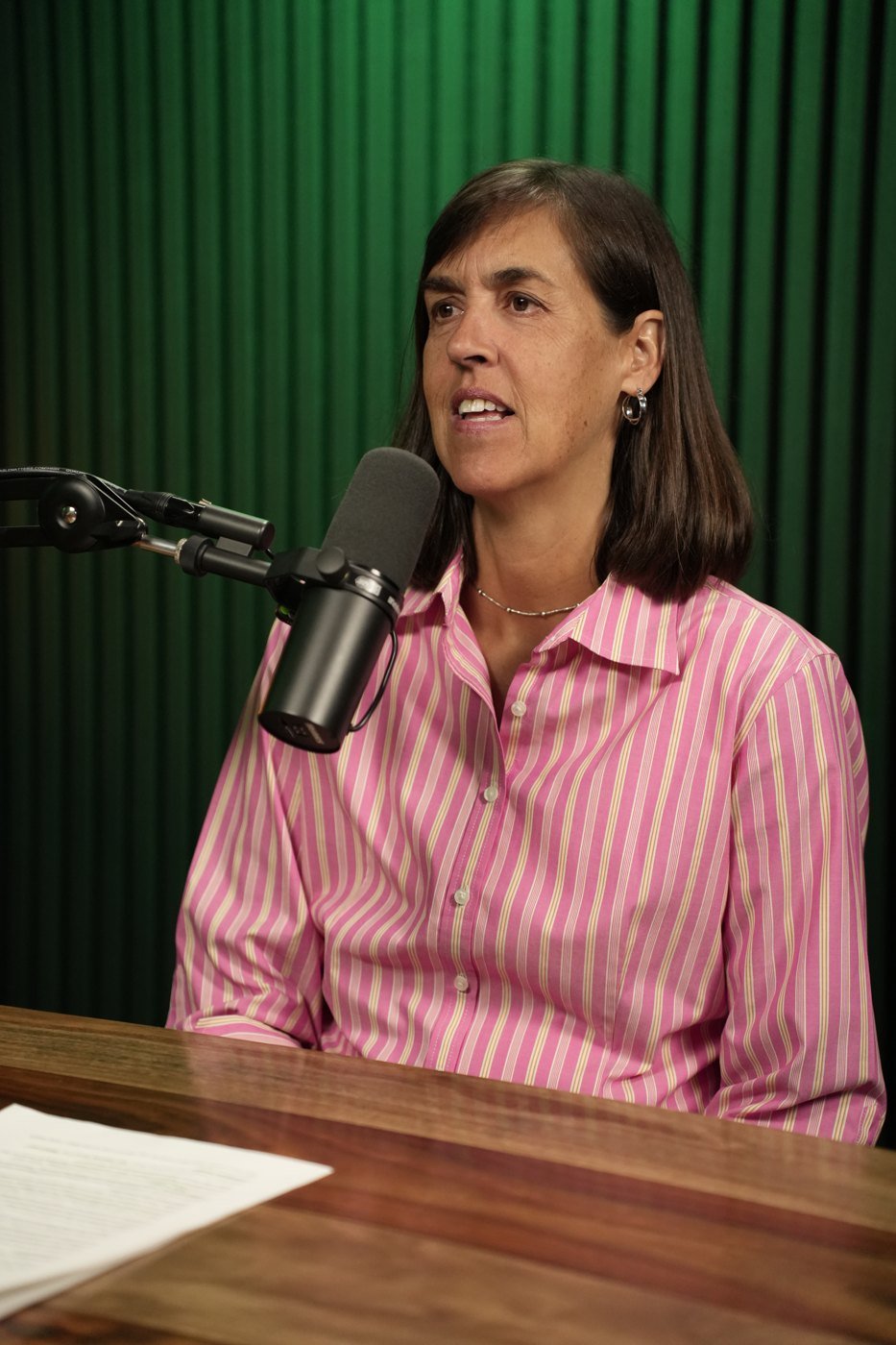
Stop Asking If You Belong at the Table: Dr. Angela Trego on Squashing Imposter Syndrome
She walked into Boeing as the only woman among 200 engineers and lost her confidence. Then she rebuilt it as a skill, and now she teaches the one question that changes every room.
Squashing Imposter Syndrome: The Only Woman in a Room of 200 Engineers
Dr. Angela Trego has two patents, more than ninety publications, and things she designed are in space. She has spoken on six continents and written a number-one best-selling book. And she will be the first to tell you: she used to sit in the corner of every meeting, certain she was about to be fired. When she walked into Boeing Phantom Works on her first day, she was the only woman among roughly two hundred engineers, and ten to fifteen years younger than everyone else. "I completely lost my confidence," she told Esther. "I sat there and thought, they're going to find out they hired the wrong person." If you have ever felt that, this conversation is for you.

The mistake underneath imposter syndrome
Dr. Trego's clearest insight is also her simplest. "I was comparing my day one to somebody else's day ten thousand." Imposter syndrome, she explains, is a disconnect between what our capabilities actually are and how we feel about them, and it is fed by measuring ourselves against people who are simply further down the road.
She has studied the subject for more than a decade and surveyed people around the world. The finding that surprises most audiences: just about everybody has it. A PhD did not cure hers. "Yes, I have a PhD," she says, "but I still question myself."

Confidence is a skill, not a trait
The myth we inherit is that confidence is like eye color. You either have it or you do not. Dr. Trego, a shy child who "didn't get her voice until much older," calls that flatly untrue. "Confidence is like any other soft skill. In fact, I believe it's the most important one we can develop, because if we can develop confidence, all our other skills shine."
The cost of not building it is quiet and expensive. Capable people decline the assignment, stay silent in the meeting and let self-doubt make their decisions for them. "If these people only knew," she says of the engineers and students she has mentored, "how good they already are at what they already do."
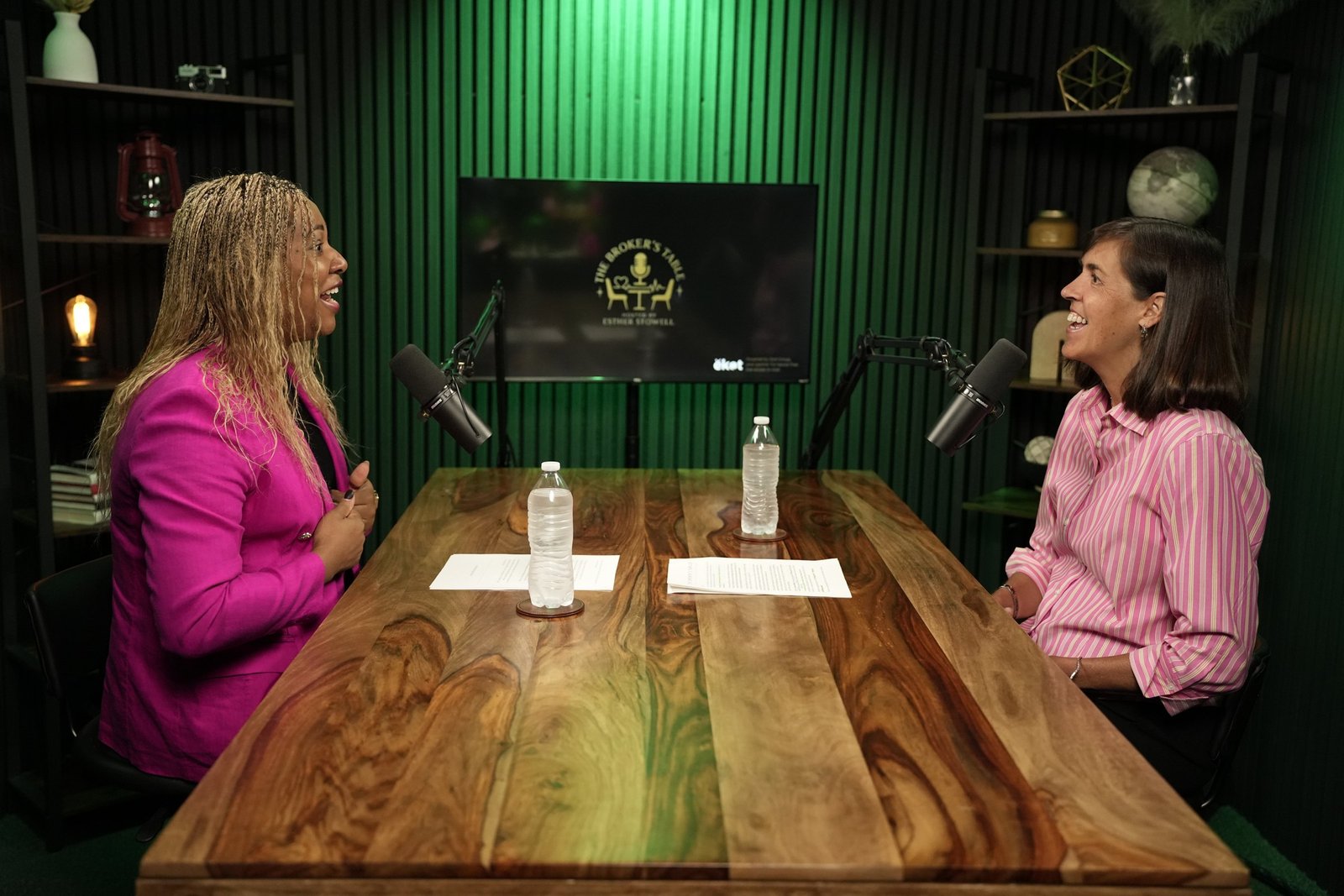
The one question that changes everything
For years she asked the wrong question in every new room: do I belong here? The turning point came through a mentor who helped her build an evidence base of her own work, and a different question. "Don't ask if you belong at the table," she says. "Ask what your unique perspective can add."
There is an engineer's argument for it. "The way you create the best solution is to explore the entire design space. If everyone in the room is the same, you're only exploring a small portion of it." The person who looks around and thinks, I am the only one like me here, may be the exact person the table needs.
Esther knows that room. She is often the only person in a Utah meeting who looks like her, and her answer is plain: "So what? I'm here. Let's have fun." Sometimes, she adds, people are just waiting for one person to take the first step. Be the nudge.

Courage first, then confidence
The most freeing reversal of the hour: most of us wait to feel confident before we act. Dr. Trego flips it. "Confidence is a result of taking courage to take action first." You act, imperfectly, the way engineers do, fail first and fail fast, and confidence is what grows on the other side.
She measures her work not in audience size but in single lives. Years after one talk, a woman approached her: once a newly divorced single mom in the back of the room, now a STEM graduate with a good job, providing for her family. "One woman, by hearing a few words, changed completely." That is the whole point.
You do not have to match the room and you do not have to know everything. Show up, ask what you can contribute, and take the first courageous step. There is a seat for you at the table.
Want the tools? Take the free two-minute Imposter Quiz at thebrokerstable.com/tools/imposter-quiz to find your loudest voice and your evidence step. Comment CONFIDENT on any clip and the free Seat at the Table guide lands in your DMs, or download it at thebrokerstable.com/free. Pick up Dr. Trego's book, Squashing the Imposter Syndrome, try her free 30-day confidence reset at angelatrego.com, and find her on Instagram at @angelatregophd.
Use what Angela taught
What to remember
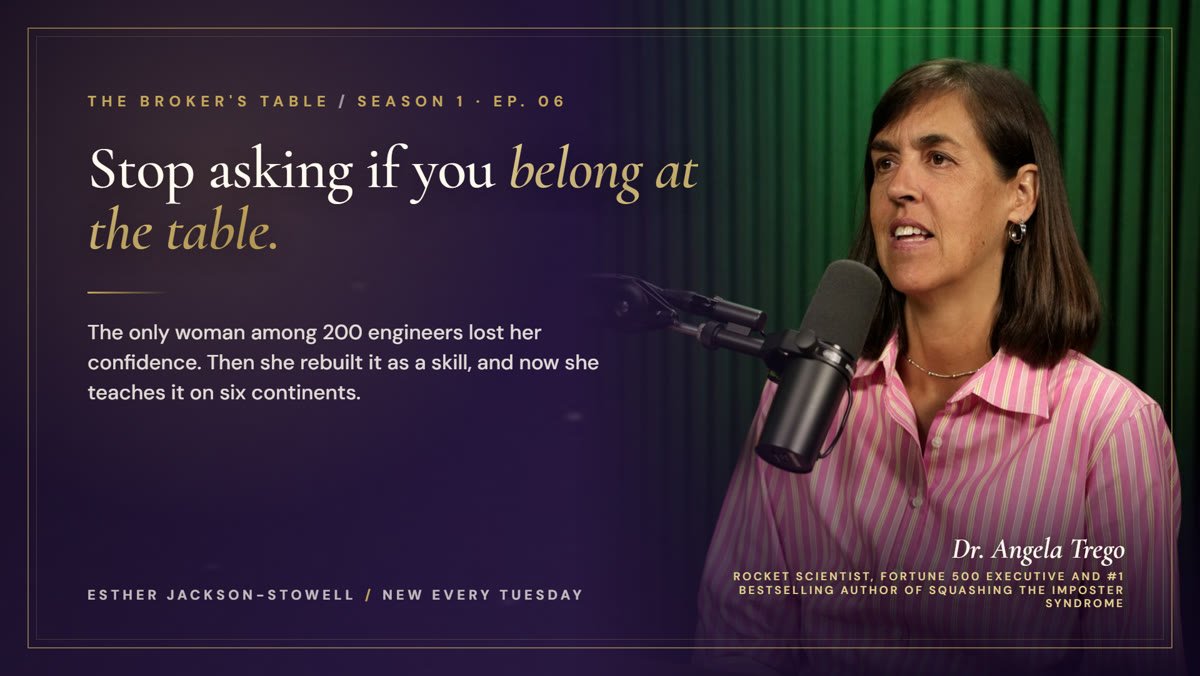
The Only Woman in a Room of 200 Engineers: Dr. Angela Trego on Squashing Imposter Syndrome
The longer read from the host arrives on LinkedIn Thursday, December 3: the chapters, Dr.'s own words, and one assignment for your week. Subscribe and it lands in your inbox the moment it goes live.
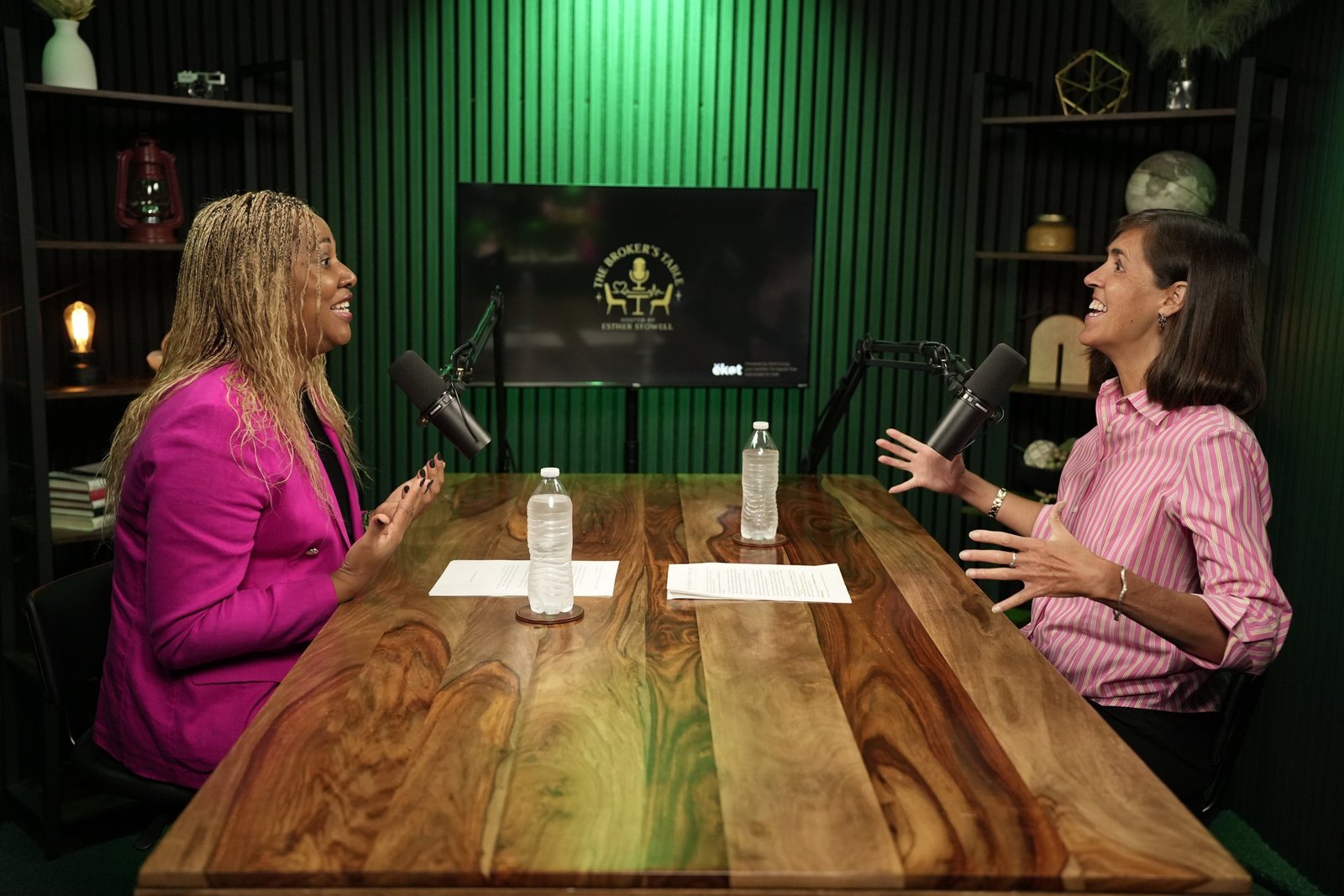
Dr. Angela Trego
Dr. Angela Trego is a patent-holding rocket scientist. She spent years as a senior engineer at Boeing Phantom Works, where things she designed went to space, and she holds two patents with more than ninety publications to her name.
She is also the number-one best-selling author of Squashing the Imposter Syndrome, an award-winning speaker who has taught on six continents, and a champion for women in STEM. Her work turns a decade of research on confidence into a skill anyone can practice.
Dr. Trego lives and works in Utah. She describes herself as a shy child who did not find her voice until much later, which is exactly why she believes confidence is learned, not inherited.
Bring Angela to your organization
Keynotes and workshops on overcoming imposter syndrome, speaking up with confidence and leading with impact, for companies, universities and conferences. Her free 30-day confidence reset is on her site.
Book a keynote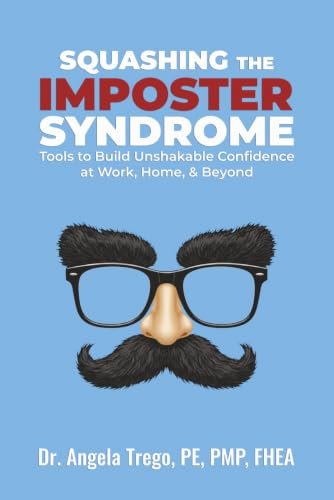 Squashing the Imposter Syndrome
Dr. Trego's work
Dr. Trego's book, app and programs are featured editorially; The Broker's Table receives no commission from her links. The Seat at the Table guide, The Imposter Quiz and The Esther Effect are made by The Broker's Table and are not written or endorsed by Dr. Trego.
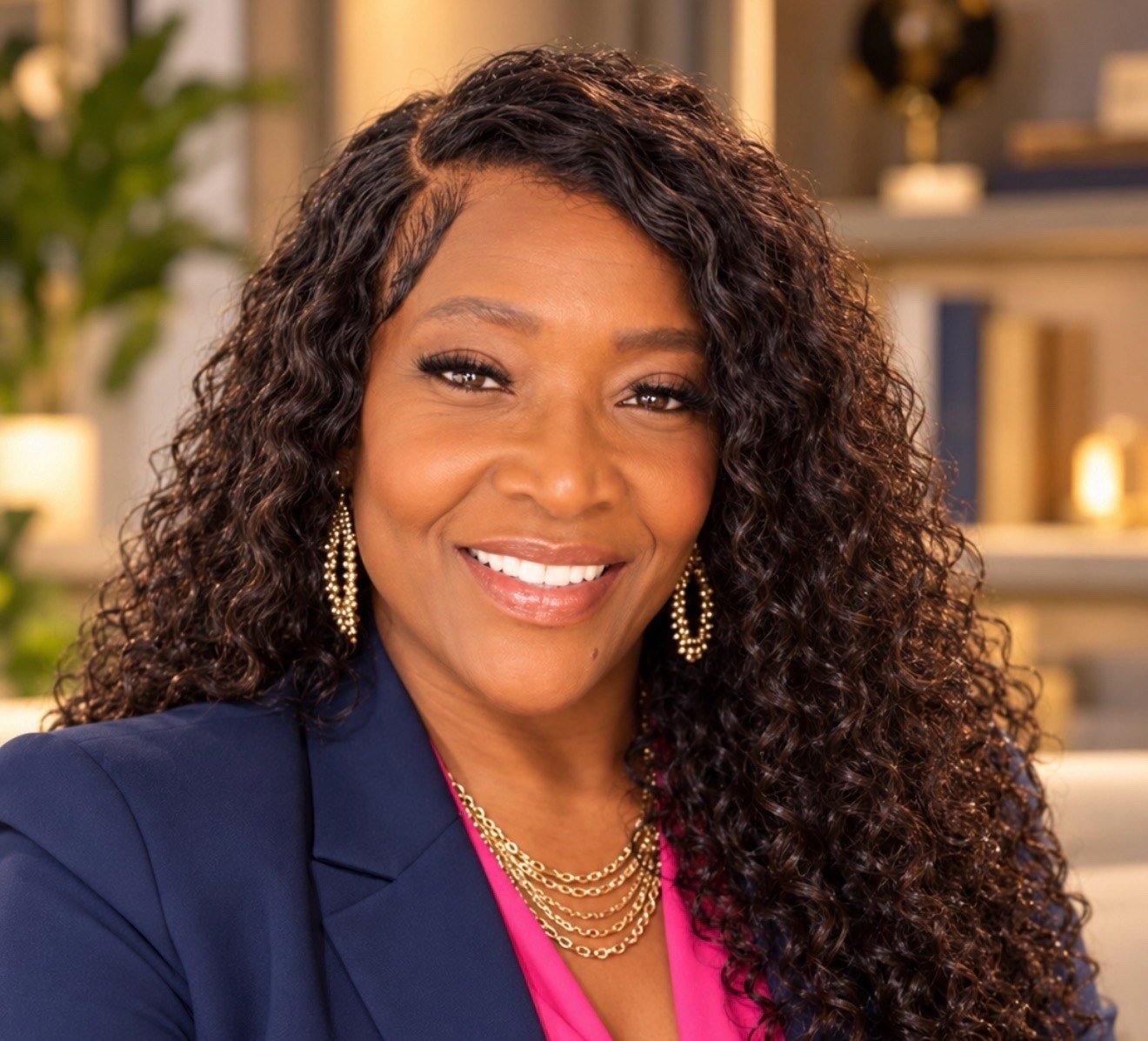 Tammy B. LegetteTammy B. Legette: Check Your Deed
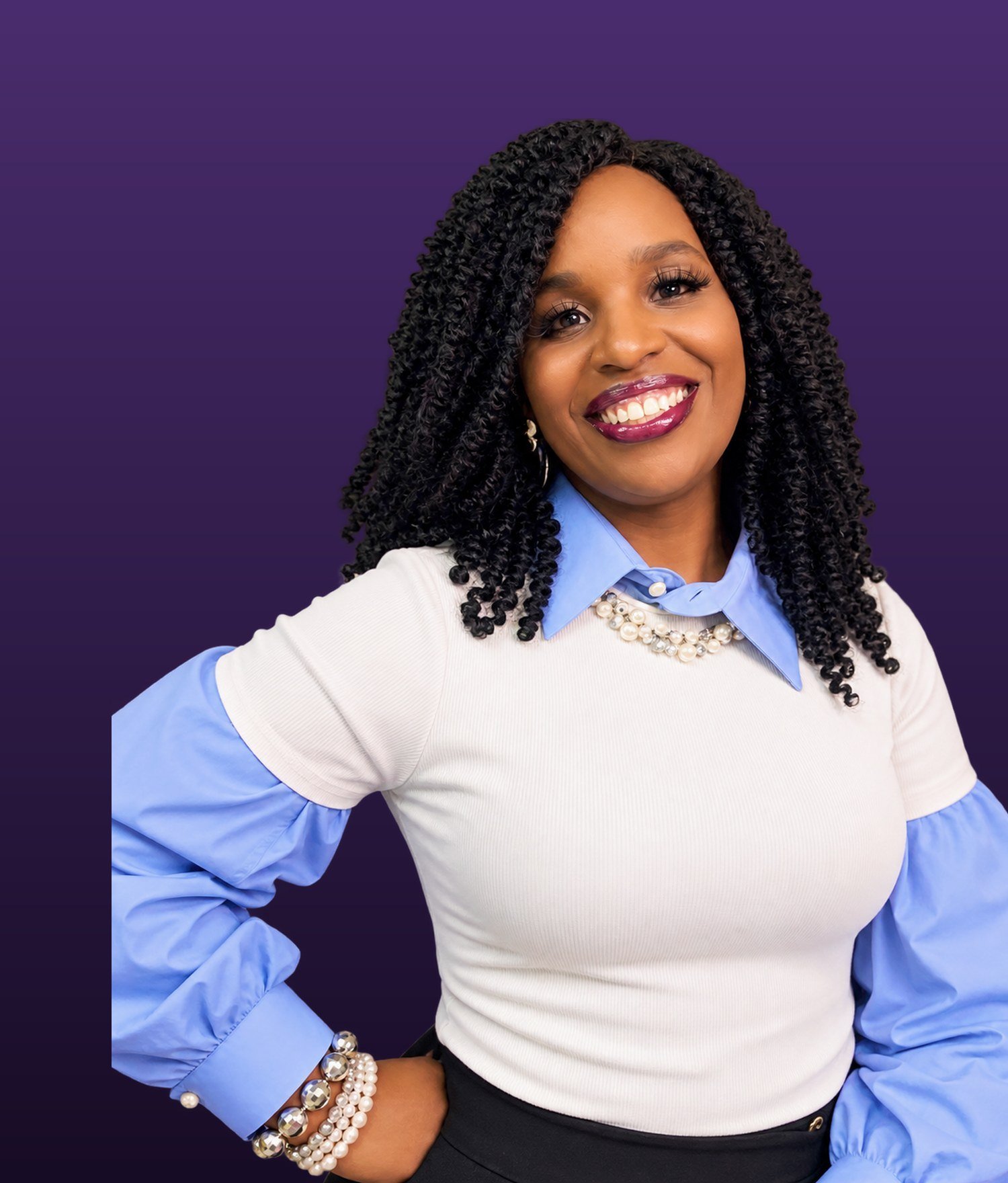 Lady K, Kimberly StewartLady K, Kimberly Stewart: Do It Scared
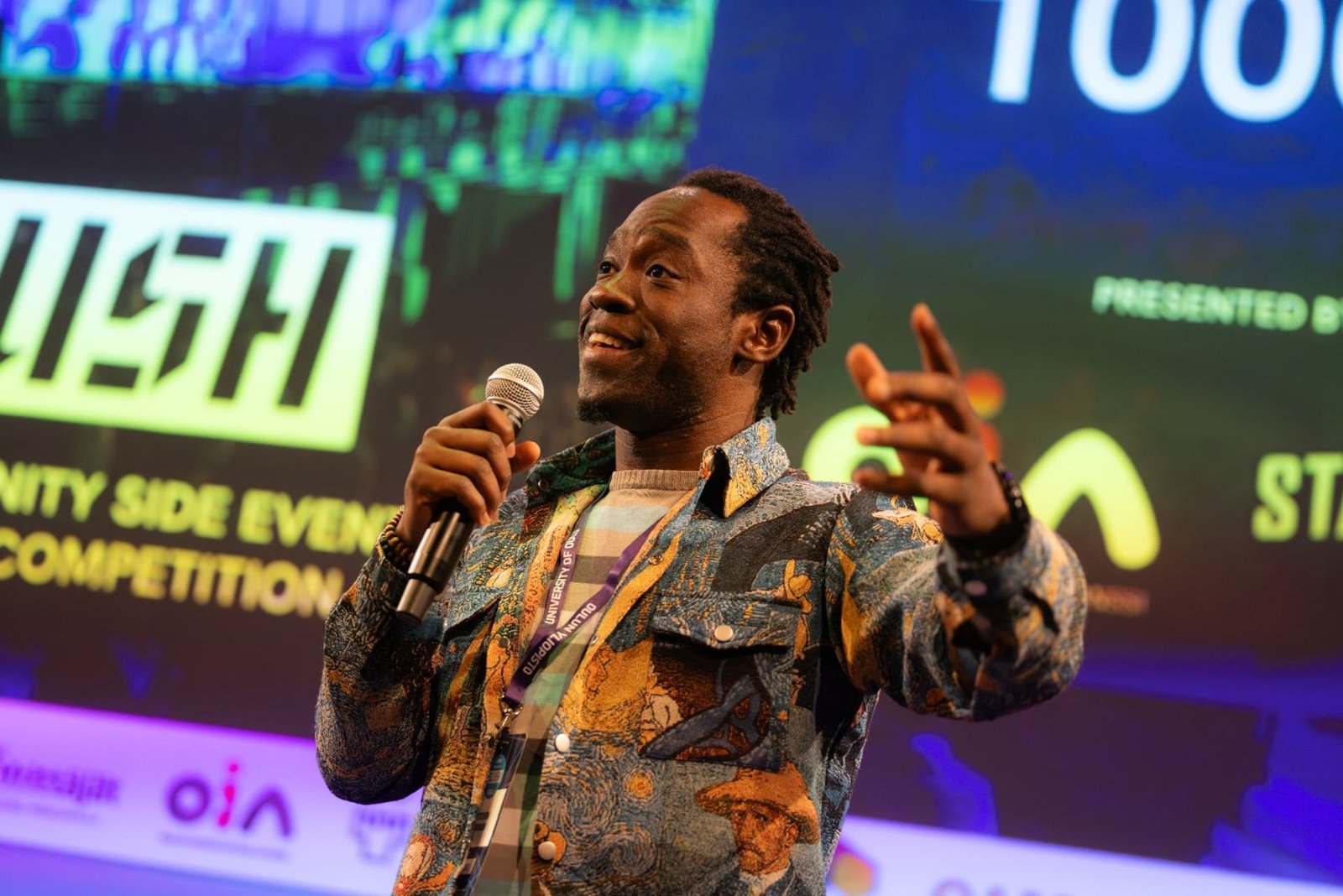 Steven DossouSteven Dossou: Rebuild From Absolute Zero
 Dr. Rich StowellThe Broker's Table
 Kerry OwenThe Broker's Table
 The MegansThe Broker's Table
 Tunisha BrownThe Broker's Table
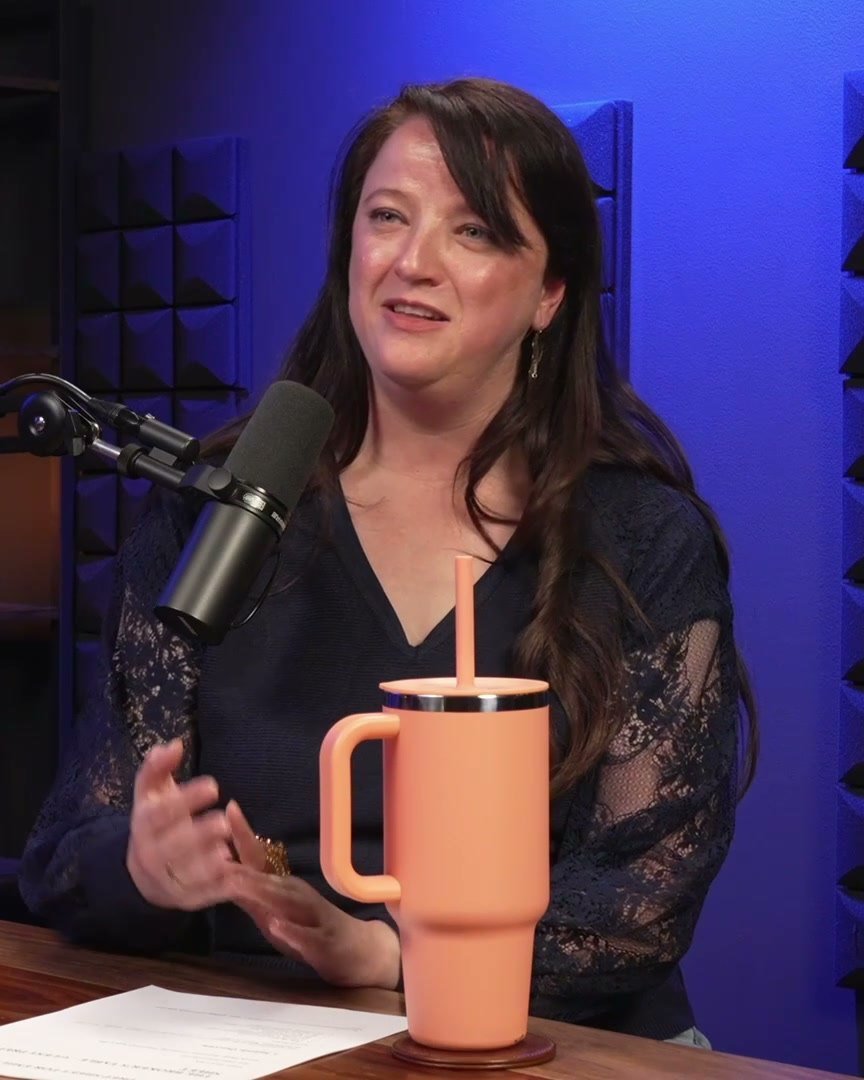 Emily ClarkThe Broker's Table
 Kenneth BotweAcross the Table
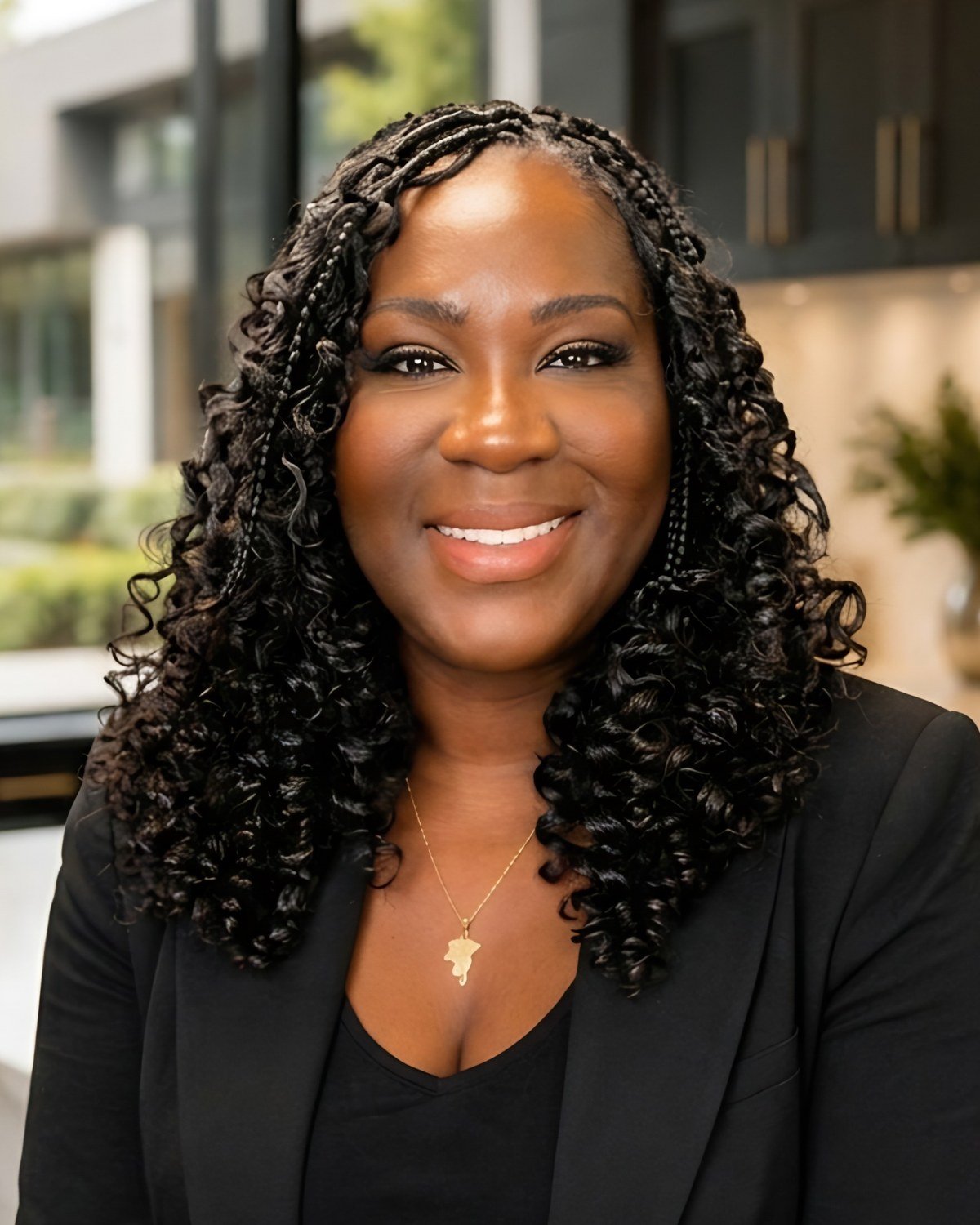 LaTasha McDowellAcross the Table
 Christ WarrenAcross the TableDr. Angela TregoThe Broker's Table
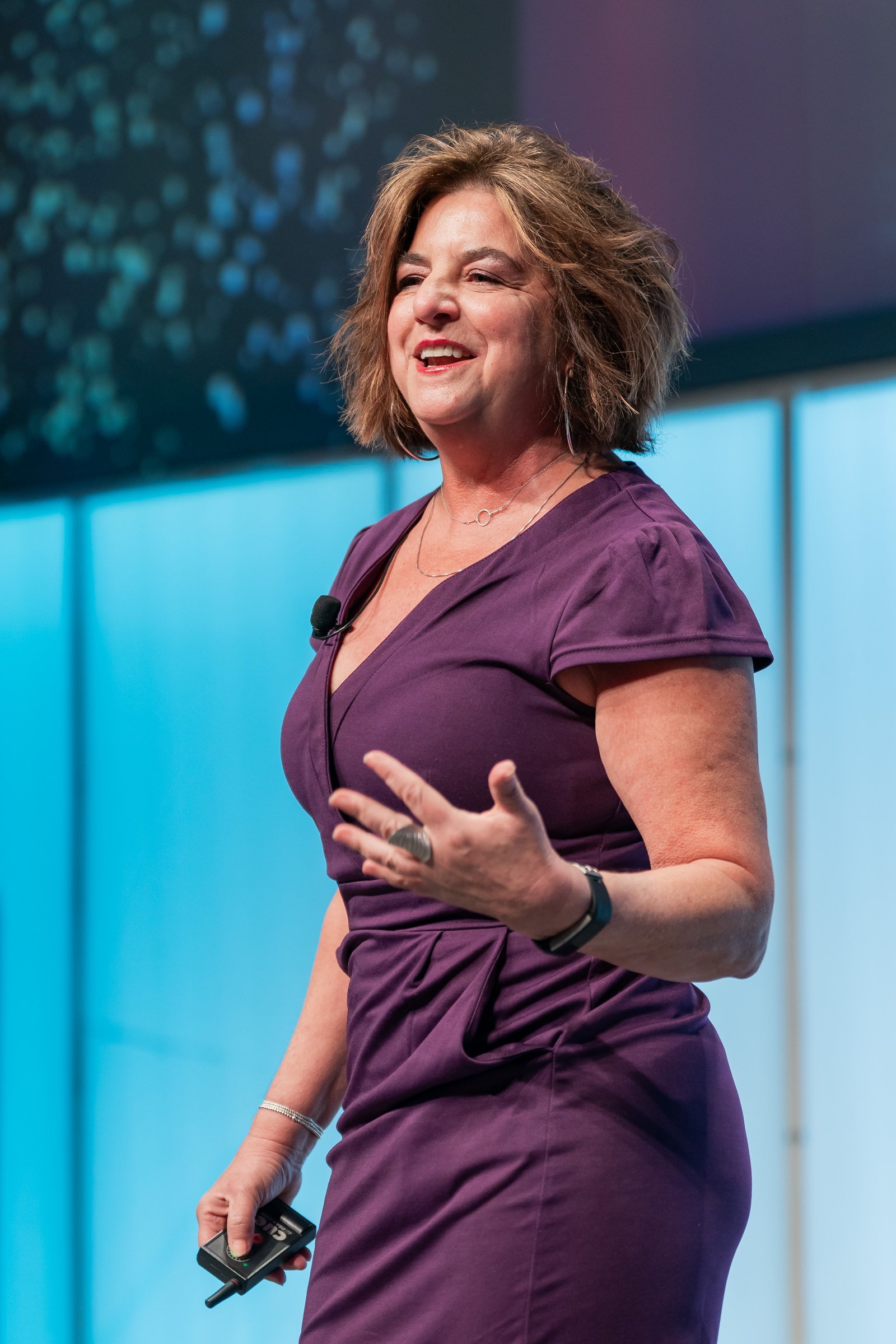 Clara CapanoAcross the Table
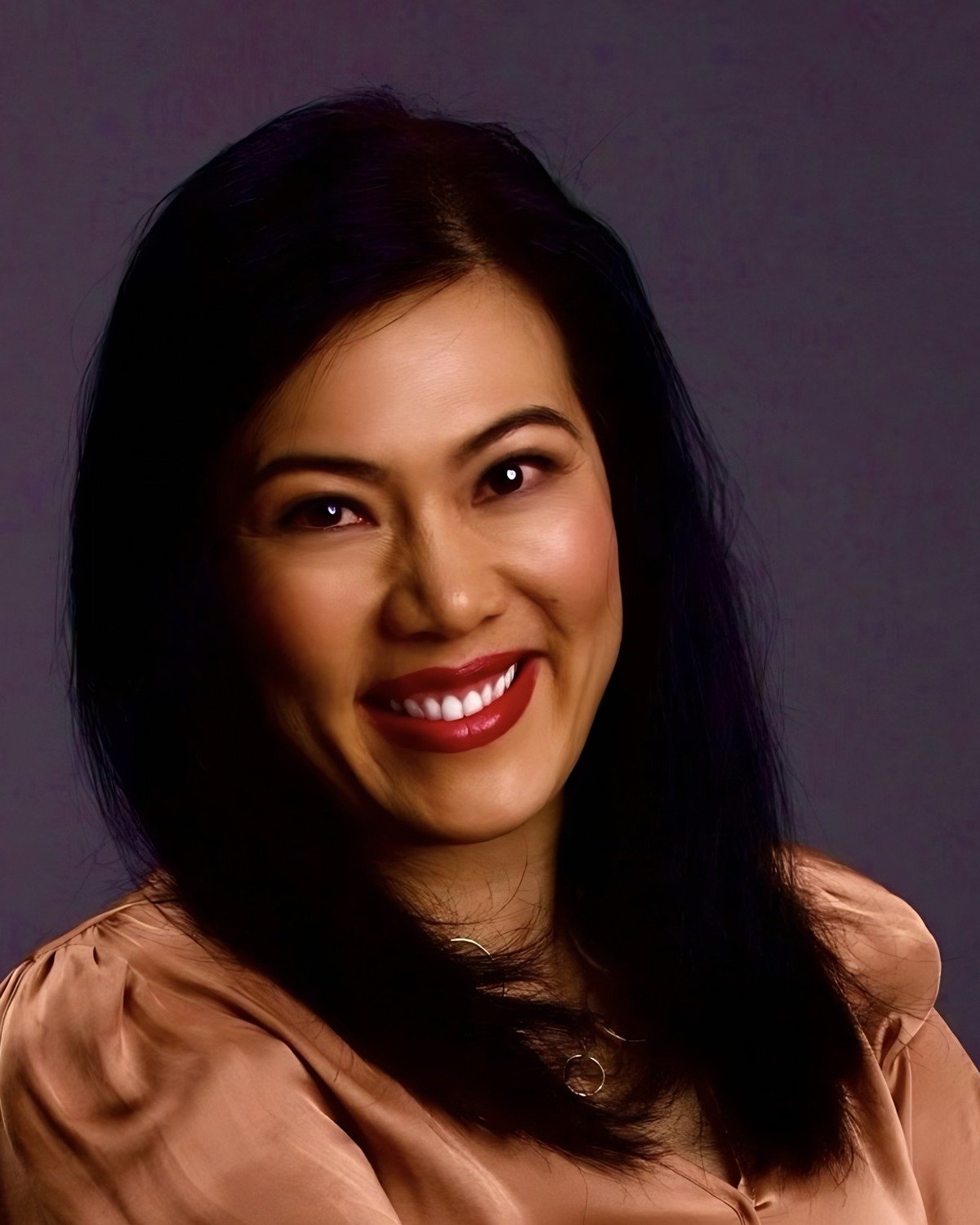 Allison Hong MerrillAcross the Table
 Darrell McColloughAcross the Table
 Vanessa DeanAcross the TableSteven DossouAcross the TableLady K, Kimberly StewartAcross the TableTammy B. LegetteAcross the Table
Every guest. Every story. One table.
Flip through the full issue, or get the next conversation and free tool in your inbox.